November 26, 2024
Dental Sealants
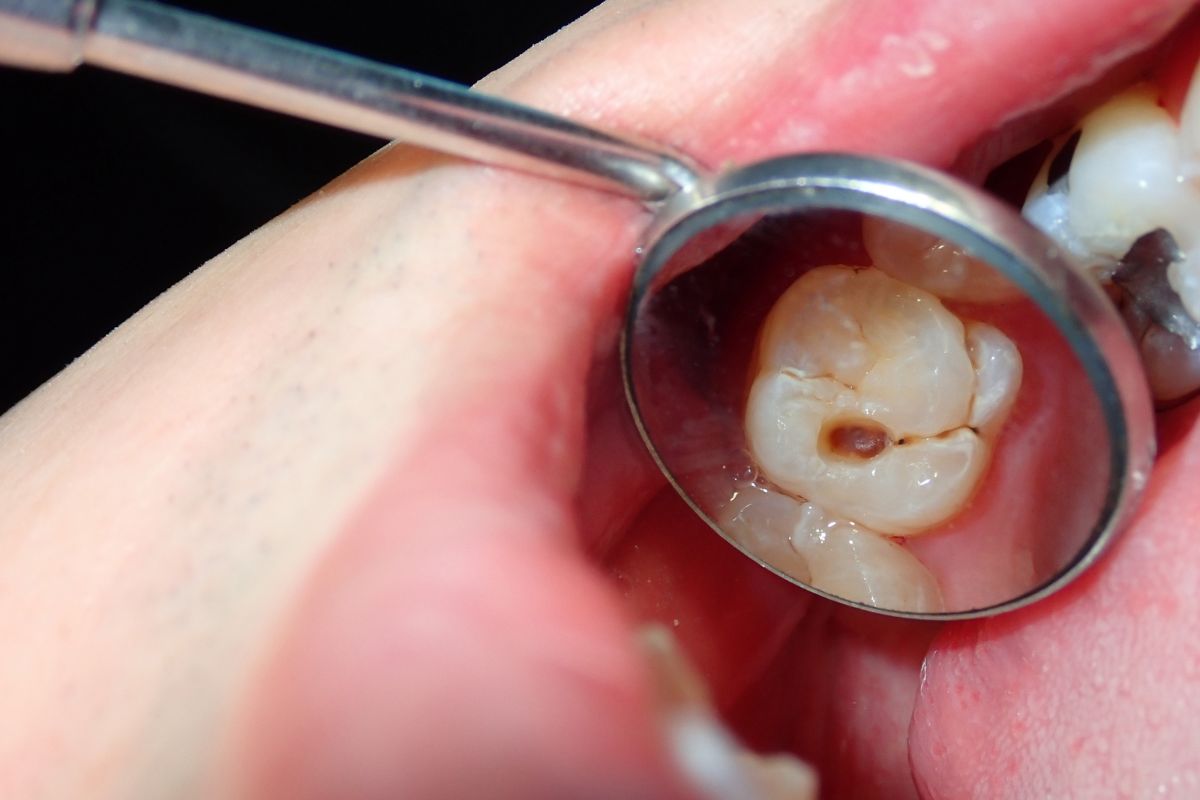
Are you sick of fighting cavities all the time? Do you wish to prevent costly dental procedures and shield your teeth from future decay? You only need to consider dental sealants! By creating a barrier between your teeth and dangerous microorganisms, these thin coatings can significantly lower your chance of developing cavities. We’ll examine the significance of dental sealants in averting cavity disasters and their long-term advantages for your oral health in this blog post.
What are dental sealants?
Dental sealants are a preventative measure usually applied to the back teeth, where cavities are most likely to form. The sealant is a clear or white plastic material that is brushed onto the tooth enamel. It bonds to the tooth and creates a barrier, protecting the tooth from plaque and bacteria that can cause cavities. Sealants can last for several years and are an effective way to prevent cavities, especially in children.
How do dental sealants work?
The chewing surfaces of the back teeth (molars) are covered with a thin layer of plastic called a dental sealant. By filling in the pits and grooves on the tooth surface, sealants shield these teeth against cavities.
The sealing procedure is simple and quick. The teeth are first cleaned and allowed to dry. The molars’ chewing surfaces are then covered with a sticky gel. A specific blue light is then used to solidify the sealant material once it has been applied to the gel. The entire process takes about half an hour.
Although sealants can endure for several years, it’s important to have them examined at each dental visit to ensure they’re still in place.
The benefits of dental sealants
Dental sealants are a great way to prevent cavities, and they have many benefits. They are easy to apply and can be done quickly in the dentist’s office in Wichita Falls, TX. Sealants last for years and provide excellent protection against cavities. They are also much less expensive than fillings or crowns.
Sealants work by sealing off the crevices in your teeth that are most susceptible to decay. This prevents food and bacteria from getting into these areas and causing cavities. Sealants are most effective on molars and premolars, as these teeth have the deepest crevices. Children and adults can both safely use sealants. They are made of a plastic material that bonds to the tooth enamel. There is no drilling involved in the application of sealants, so there is no need for anesthesia. Per tooth, the complete procedure takes just a few minutes. Many years pass before sealants need to be changed.
During this time, they will continue to protect your teeth from cavities. Sealants are an excellent investment in your oral health, as they can save you money in the long run by preventing costly dental repairs.
The drawbacks of dental sealants
Dental sealants have certain disadvantages, even if they are a good way to prevent cavities. For starters, sealants can be expensive, ranging from $50 to $100 per tooth. Additionally, even though many insurance plans pay for children’s sealants, adults may not be covered. Second, sealants are not a permanent fix; they must be renewed after around ten years. Lastly, brushing and flossing are still crucial for maintaining general oral health because sealants only shield the top and back teeth, which are the teeth that are used for chewing.
Role of Dental Sealants for Preventing Cavity
Dental sealants are one of the most effective ways to prevent cavities, and they are especially important for children. Sealants are thin plastic coatings that are applied to the chewing surfaces of the back teeth (molars), where most cavities occur. They act as a barrier, protecting the tooth from decay-causing bacteria and food particles.
Sealants can last for several years and are an easy and affordable way to help protect your child’s teeth from cavities. Ask your dentist if dental sealants are right for your child.
Are dental sealants worth it?
A clear or colored plastic substance called a dental sealant is painted into the grooves on the chewing surfaces of the back teeth (molars and premolars). The sealant forms a protective barrier, keeping out food and plaque that can cause cavities.
Sealants can protect your child’s teeth from cavities for up to 10 years, but they need to be reapplied as they wear down. The application of sealants to teeth that have not yet developed cavities yields the best results.
Are dental sealants worth it? Yes! The American Dental Association (ADA) recommends sealants for children and teens who are at high risk for cavities. Sealants are also recommended for adults who have deep grooves in their back teeth that are difficult to clean with brushing.
Dental sealants are a great way to keep your teeth healthy and prevent cavities. They provide an extra layer of protection against bacteria and decay, safeguarding those vulnerable parts of your mouth from becoming damaged. With the help of dental sealants, you can avoid having to deal with costly treatments for cavities, saving you both time and money in the long run. Investing in preventive measures like this can help ensure that your smile stays healthy for years to come!