September 29, 2023
Dental Sealants
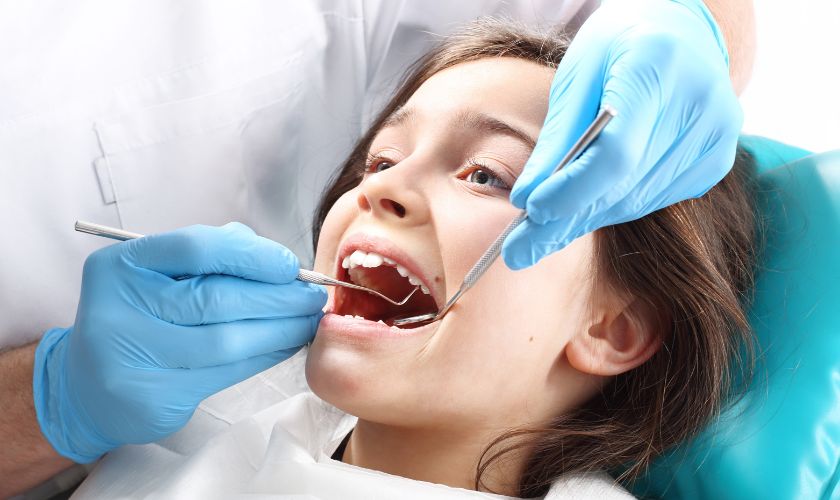
Are you curious about dental sealants and how they can benefit your oral health? Have you ever wondered if it’s possible to get dental sealants even if you already have fillings? Well, wonder no more! In this blog post, we will delve into the world of dental sealants in Wichita Falls and explore whether or not it is possible to get them if you already have fillings. So grab a seat, put on your reading glasses, and let’s dive right in!
The Purpose and Benefits of Dental Sealants
Dental sealants are a preventive dental treatment that can help protect your teeth from decay and cavities. They are thin, plastic coatings applied to the chewing surfaces of your molars and premolars. The main purpose of dental sealants is to act as a barrier against harmful bacteria, food particles, and plaque that can cause tooth decay.
One of the key benefits of dental sealants is their ability to seal off the deep grooves and pits on the surfaces of your back teeth. These areas are notorious for trapping food debris and harboring bacteria, making them more prone to cavities. By filling in these crevices with a protective layer, sealants create a smooth surface that is easier to clean through brushing and flossing.
Another advantage of dental sealants is their long-lasting protection. Once properly applied by your dentist or dental hygienist, they can last up to 10 years with regular check-ups. This makes them an effective investment in maintaining good oral health over time.
Furthermore, getting dental sealants can be a cost-effective solution compared to treating tooth decay later on. Preventive measures such as sealants not only save you money but also prevent potential pain and discomfort associated with extensive fillings or other restorative treatments.
In addition to their protective role against tooth decay, dental sealants have another benefit – they do not require any drilling or removal of healthy tooth structure like traditional fillings do. Instead, applying this simple coating involves thoroughly cleaning the tooth surface before painting on the liquid resin material which then hardens into a solid shield.
Dental sealants offer significant advantages in preventing cavities especially in hard-to-reach areas at the back of your mouth where brush bristles may struggle to access effectively. They provide long-lasting protection without altering your natural tooth structure or causing any discomfort during application.
Can You Get Dental Sealants If You Have Fillings?
If you have fillings in your teeth, you might be wondering if it’s still possible to get dental sealants. The good news is that in many cases, the answer is yes! Dental sealants can be a great option for protecting your teeth, even if you already have fillings.
When it comes to getting dental sealants with existing fillings, there are a few factors to consider. First and foremost, you’ll need to consult with your dentist. They will assess your specific situation and determine whether or not getting sealants is the right choice for you.
The condition of your current fillings will also play a role in this decision. If your fillings are still intact and in good shape, then getting dental sealants shouldn’t be an issue. However, if your fillings are old or starting to deteriorate, it may be necessary to replace them before applying sealants.
It’s important to remember that while dental sealants can provide an extra layer of protection against cavities and decay, they are not meant as a replacement for proper oral hygiene practices. Regular brushing and flossing are still crucial for maintaining good oral health.
Having existing fillings doesn’t necessarily exclude you from getting dental sealants. Consult with your dentist who will evaluate the condition of both your teeth and any existing fillings before making a recommendation. Together with proper oral care habits, dental sealants can help keep your smile healthy and cavity-free!
Factors to Consider Before Getting Dental Sealants with Fillings
When considering getting dental sealants on teeth that already have fillings, there are a few important factors to keep in mind. First and foremost, it’s essential to consult with your dentist. They will be able to assess the condition of your existing fillings and determine if they need any maintenance or replacement before applying sealants.
Additionally, the location and size of your fillings may play a role in whether sealants are appropriate for you. Some fillings may be too close to the surface of the tooth or cover a significant portion of the tooth, making it difficult for sealants to adhere properly.
Furthermore, it’s crucial to consider your oral hygiene routine. If you struggle with maintaining good oral health habits like regular brushing and flossing, getting sealants on top of existing fillings may not provide as much benefit.
Cost is another factor that cannot be ignored. While dental insurance plans often cover preventive treatments like sealants for children, coverage for adults can vary. It’s important to check with your insurance provider beforehand or discuss payment options with your dentist.
Discussing these factors with your dentist will help ensure that you make an informed decision about whether dental sealants are suitable for you if you have existing fillings. Your dentist has the expertise and knowledge necessary to guide you towards the best course of action based on your unique situation.
Alternative Options for Protecting Your Teeth
When it comes to protecting your teeth, dental sealants are not the only option available. While they are highly effective in preventing tooth decay, there are alternative methods that can help keep your teeth healthy and strong.
Practicing good oral hygiene is essential. This means brushing your teeth twice a day with fluoride toothpaste and flossing daily. These simple habits can go a long way in removing plaque and bacteria from the surfaces of your teeth.
Another alternative option is using fluoride treatments. Fluoride helps strengthen tooth enamel and makes it more resistant to acid attacks from bacteria. It can be applied topically by your dentist during regular check-ups or through fluoridated water or mouth rinses.
Maintaining a healthy diet is also crucial for dental health. Limiting sugary snacks and beverages reduces the risk of cavities, as sugar feeds harmful bacteria in the mouth. Instead, opt for nutritious foods like fruits, vegetables, dairy products, and lean proteins that provide essential vitamins and minerals for strong teeth.
Regular dental cleanings and check-ups are vital too. Your dentist will thoroughly clean your teeth to remove any plaque buildup that cannot be removed at home. They will also examine your fillings to ensure they are intact and functioning properly.
Other preventive measures include wearing a mouthguard when participating in sports activities that carry a risk of dental injuries such as contact sports or even some recreational activities like skateboarding or cycling.
Remember that each person’s oral health needs may vary so consult with your dentist to determine which options are best suited for you based on factors such as age, overall health status, existing fillings or restorations,and level of risk involved.
How to Maintain Good Oral Health with or without Fillings and Sealants
Maintaining good oral health is essential, whether you have fillings and sealants or not. Here are some simple tips to keep your teeth healthy and strong.
Brushing your teeth at least twice a day using fluoride toothpaste is crucial. Brushing removes plaque and bacteria that can lead to tooth decay. Remember to brush all surfaces of your teeth, including the front, back, and chewing surfaces.
In addition to regular brushing, flossing once a day helps remove food particles and plaque from between the teeth where a toothbrush cannot reach. This helps prevent cavities and gum disease.
Another important aspect of maintaining good oral health is visiting your dentist regularly for check-ups and cleanings. Your dentist can identify any issues early on, such as new cavities or problems with existing fillings or sealants.
A balanced diet plays a significant role in oral health too. Limit sugary snacks and drinks as they contribute to tooth decay. Instead, opt for nutritious foods like fruits, vegetables, dairy products, lean proteins, and whole grains that support dental health.
Lastly but importantly – don’t forget about proper hydration! Drinking plenty of water throughout the day keeps saliva flowing which helps wash away harmful bacteria in the mouth.
By following these tips consistently–with or without fillings or sealants–you can maintain good oral health for years to come!
Making the Best Decision for Your Oral Health
When it comes to protecting your teeth and maintaining good oral health, both dental sealants and fillings play important roles. Dental sealants are a preventive measure that can help protect healthy teeth from decay, while fillings are used to restore damaged or decayed teeth.
If you have existing fillings but are considering getting dental sealants, there are several factors to take into consideration. First, consult with your dentist to assess the condition of your existing fillings and determine if they need any repairs or replacements. Additionally, discuss with your dentist whether adding sealants on top of the fillings is necessary or beneficial in your case.
While some dentists may recommend against placing dental sealants over existing fillings due to potential complications or interference with future treatments, others may find it suitable depending on individual circumstances. The decision should be made based on an assessment of your specific needs and goals for maintaining optimal oral health.
It’s also worth exploring alternative options for protecting your teeth if getting dental sealants with existing fillings is not recommended. These options could include practicing excellent oral hygiene habits such as regular brushing and flossing, using fluoride toothpaste or mouthwash as directed by your dentist, and scheduling regular check-ups and cleanings.
No matter what method you choose to protect your teeth, remember that good oral health starts with consistent care at home combined with professional guidance from a trusted dentist. By making informed decisions about dental treatments like sealants and fillings – taking into account factors such as existing dental work – you can ensure that you’re doing everything possible to maintain a healthy smile for years to come.
Remember: always consult with a qualified dentist who knows the specifics of your case before making any decisions regarding dental treatments!