August 5, 2024
Oral Health
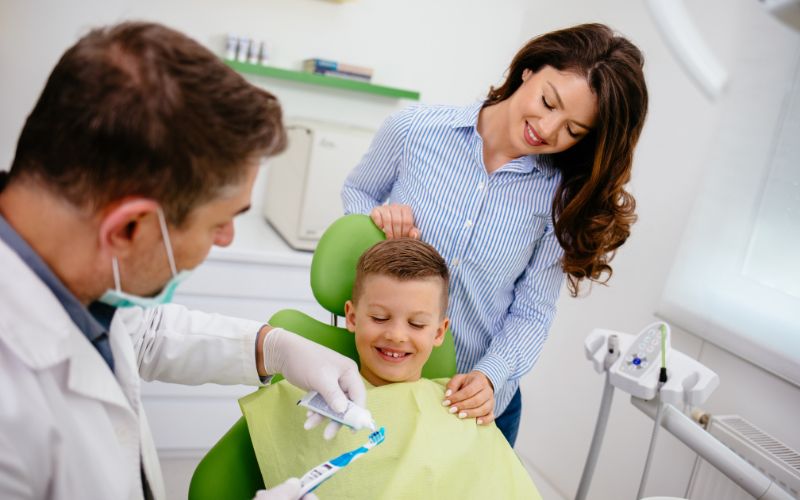
Brushing your teeth might seem like a straightforward task, but doing it correctly is crucial for maintaining good oral hygiene and preventing dental problems. Here are ten essential tips to ensure you’re brushing your teeth the right way:
1. Choose the Right Toothbrush
Selecting the right toothbrush is the first step to effective brushing. Opt for a toothbrush with:
- Soft Bristles: Soft bristles are gentle on your gums and enamel, reducing the risk of damage.
- Appropriate Size: Choose a brush that fits comfortably in your mouth and can easily reach all areas.
- Electric or Manual: Both can be effective, but electric toothbrushes often provide a more thorough clean with less effort.
2. Use Fluoride Toothpaste
Fluoride is essential for strengthening tooth enamel and preventing cavities. Ensure your toothpaste contains fluoride and is approved by the American Dental Association (ADA).
3. Brush Twice Daily
Brush your teeth at least twice a day – in the morning and before bed. This routine helps remove plaque and prevent the buildup of harmful bacteria.
4. Brush for Two Minutes
Spend at least two minutes brushing your teeth each time. Divide your mouth into four sections and spend 30 seconds on each to ensure thorough cleaning.
5. Use Proper Brushing Technique
Use the right technique to maximize the effectiveness of your brushing:
- Angle the Brush: Hold your toothbrush at a 45-degree angle to your gums.
- Gentle, Circular Motions: Use small, circular motions rather than aggressive back-and-forth scrubbing.
- Cover All Surfaces: Brush the outer, inner, and chewing surfaces of all your teeth. Don’t forget your tongue, which can harbor bacteria.
6. Don’t Forget Your Tongue
Bacteria can accumulate on your tongue, leading to bad breath and other oral health issues. Gently brush your tongue or use a tongue scraper to remove bacteria.
7. Replace Your Toothbrush Regularly
Over time, toothbrush bristles become frayed and less effective. Replace your toothbrush or toothbrush head every three to four months, or sooner if the bristles are worn out.
8. Use the Right Amount of Toothpaste
You don’t need a lot of toothpaste to clean your teeth effectively. A pea-sized amount is sufficient for adults. For children under three, use a smear of toothpaste about the size of a grain of rice.
9. Be Gentle on Your Gums
Aggressive brushing can cause gum recession and damage your enamel. Be gentle and use soft, circular motions to clean your teeth without harming your gums.
10. Rinse and Store Your Toothbrush Properly
After brushing, rinse your toothbrush thoroughly to remove toothpaste and debris. Store it upright and allow it to air-dry. Avoid covering it or storing it in a closed container, as this can promote bacterial growth.
Additional Tips for Optimal Oral Health
- Floss Daily: Brushing alone can’t reach all the spaces between your teeth. Flossing removes plaque and food particles from these areas, reducing the risk of cavities and gum disease.
- Use Mouthwash: An antibacterial mouthwash can help reduce plaque and freshen your breath. Choose one that is alcohol-free to avoid drying out your mouth.
- Maintain a Healthy Diet: Limit sugary and acidic foods and drinks that can erode enamel and contribute to tooth decay. Eat a balanced diet rich in fruits, vegetables, and dairy products to support oral health.
- Regular Dental Check-Ups: Visit your dentist regularly for professional cleanings and check-ups. Your dentist can identify and address potential issues before they become serious problems.
Conclusion
Brushing your teeth the right way is essential for maintaining good oral hygiene and preventing dental issues. By following these ten tips, you can ensure that you’re effectively cleaning your teeth and gums, keeping your smile healthy and bright. Remember, a consistent oral care routine combined with regular dental visits is the key to long-term oral health.