November 26, 2025
Braces
Every parent wants their child to flash a confident smile. Yet, when bite issues arise during those crucial growing years, it can spark worries about long-term oral health. Overbites and underbites are common challenges that affect how teeth align and jaws develop. The good news? With timely intervention, these can often be corrected effectively, leading to better function and aesthetics. Let’s explore how orthodontic solutions play a key role in guiding young smiles toward harmony.
Understanding Overbites and Underbites
Bite problems stem from how the upper and lower jaws relate to each other. These misalignments, known as malocclusions, can influence chewing, speaking, and even breathing. Early detection helps prevent complications like jaw pain or uneven tooth wear.
What is an Overbite?
An overbite happens when the upper front teeth overlap the lower ones more than usual. This vertical overlap can range from mild to severe. In kids, habits like thumb-sucking or prolonged pacifier use might contribute. Genetics often play a part too. Left unchecked, it may lead to gum issues or speech hurdles.
What is an Underbite?
An underbite occurs when the lower teeth extend beyond the upper teeth, giving the jaw a protruding look. This is less common but can arise from jaw growth patterns or habits like tongue thrusting. It might cause difficulties with biting into food or clear pronunciation.
Why Address These Issues in Childhood?
Children’s jaws are still developing, making it an ideal time for corrections. During growth spurts, bones respond well to gentle guidance. This window allows for less invasive approaches compared to adulthood. Research shows that early treatment can reduce the need for more complex procedures later.
To highlight the scope, here’s a table with key statistics on bite issues in children:
| Statistic | Detail |
|---|---|
| Prevalence of Overbites | Affects up to 70% of children with malocclusions |
| Prevalence of Underbites | Impacts about 5-10% of kids, often genetic |
| Effectiveness of Early Braces | Success rate over 90% in growing patients |
| Children Getting Braces by Age 14 | Nearly 25% in the U.S. |
These numbers underscore why proactive care matters. Ignoring bite problems could lead to TMJ discomfort or enamel erosion over time.
How Braces Work to Correct Bites
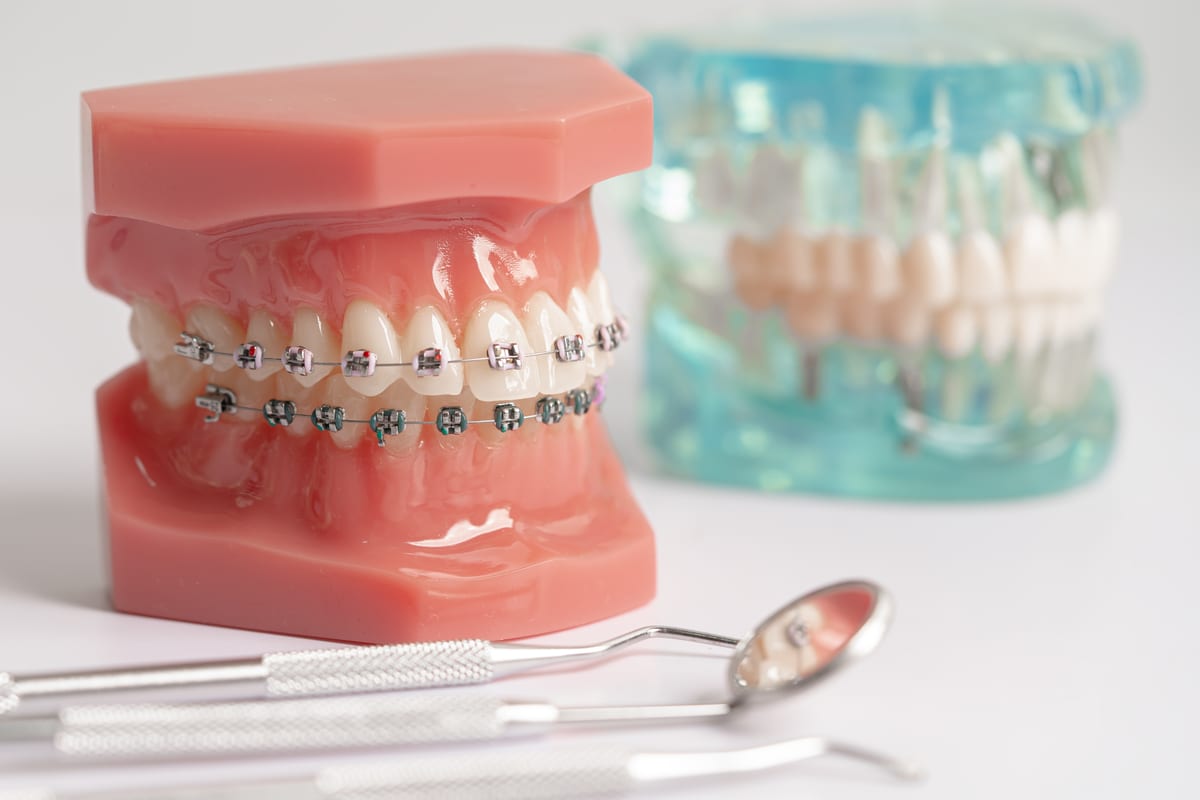
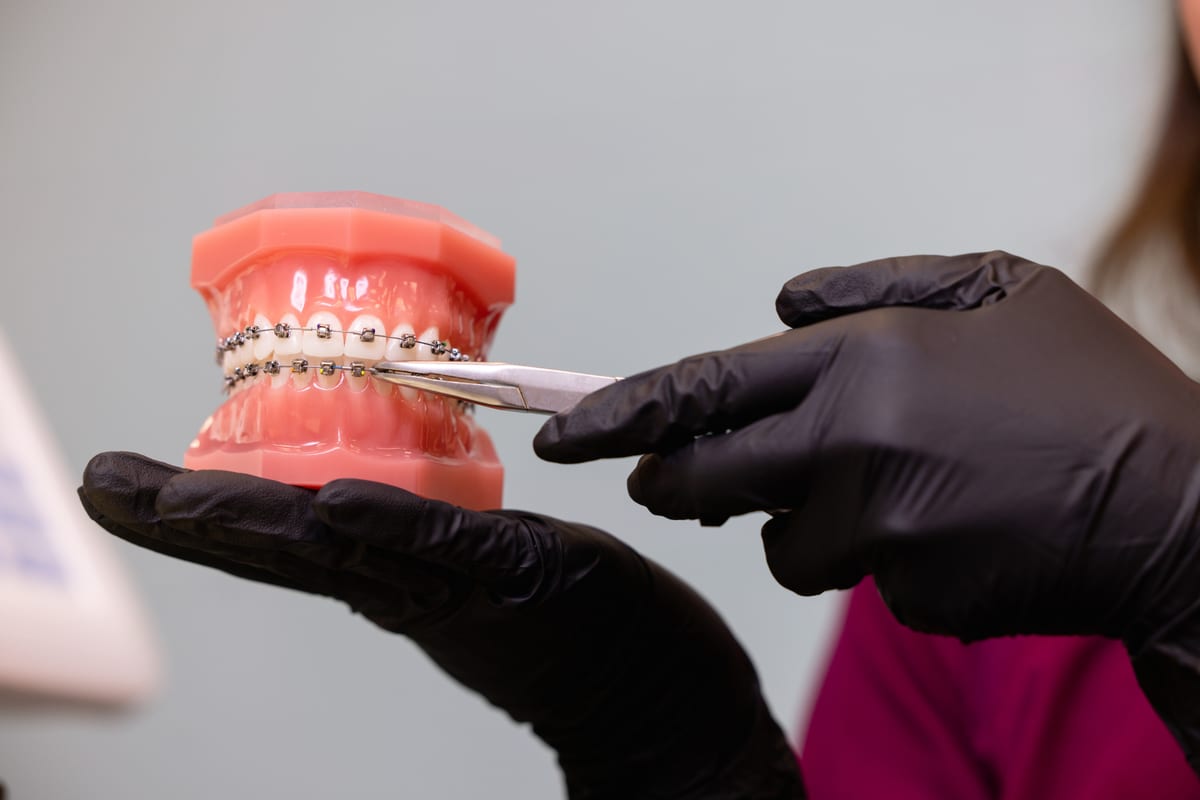
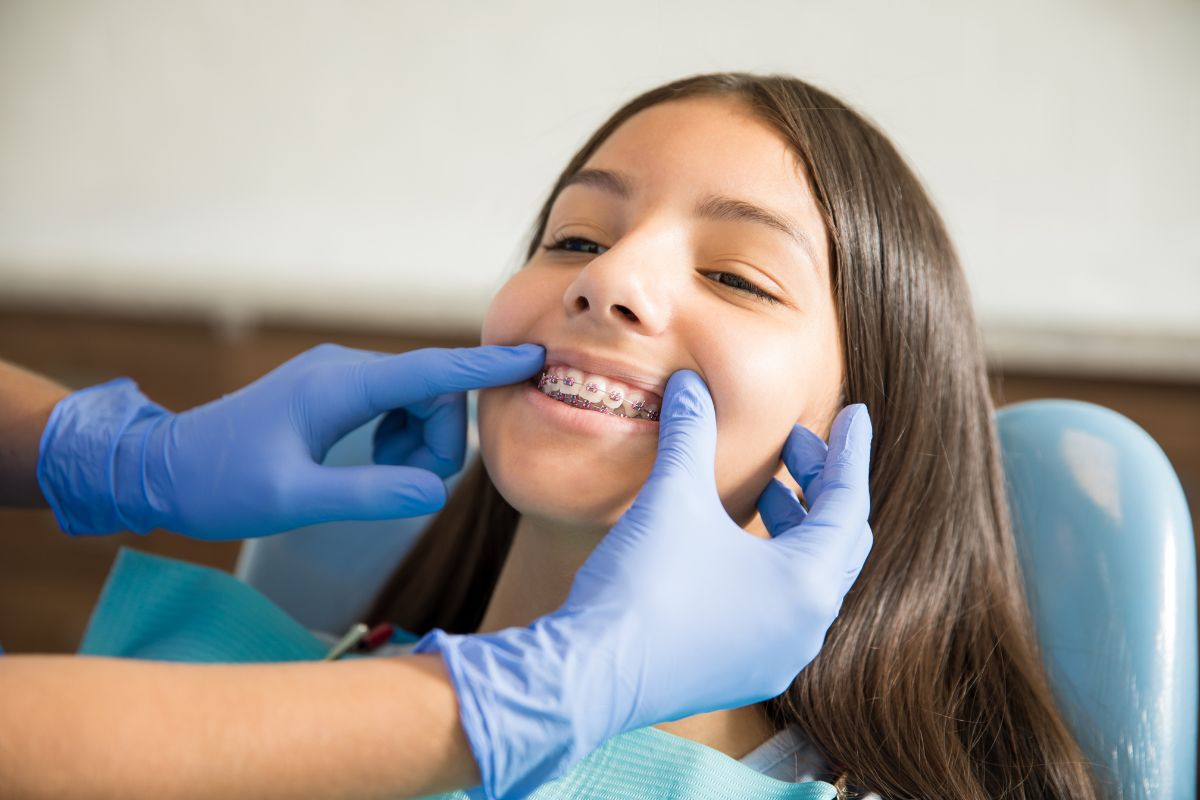
Braces apply steady, controlled pressure to shift teeth and influence jaw positioning. For growing children, this process leverages natural development. Wires and brackets guide movement gradually. Over months, teeth realign, creating a balanced bite.
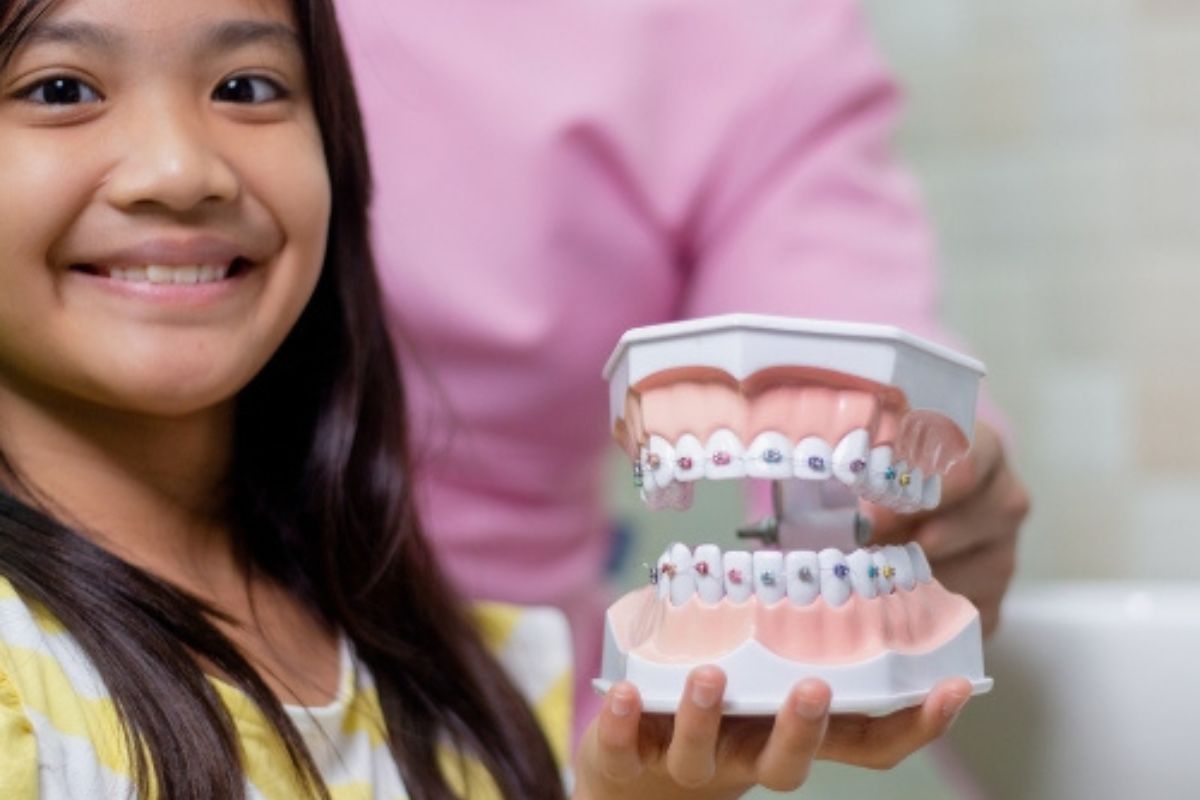
In many cases, braces for kids serve as the go-to solution because they adapt to individual needs. Orthodontists customize plans based on X-rays and impressions. This ensures precise adjustments. Kids often see noticeable progress within the first year.
The Role of Elastics and Appliances
Elastics, or rubber bands, connect upper and lower brackets to pull jaws into alignment. For overbites, they help bring the lower jaw forward. Underbites might use them to advance the upper jaw. These are simple yet powerful tools.
Additional appliances like palatal expanders widen the upper jaw in young patients. Headgear can slow forward growth of one jaw while encouraging the other. Used during peak growth, these enhance braces’ effectiveness. Regular check-ups fine-tune everything.
The Treatment Process
It starts with a thorough evaluation. The orthodontist assesses jaw structure and bite function. If needed, they might recommend starting early, around age 7-10. This phase focuses on guiding growth.
Braces go on next, with bonds on teeth and wires threaded through. Adjustments happen every 4-6 weeks. Kids learn to care for them by brushing well and avoiding sticky foods. Discomfort is mild and temporary, easing with soft foods or wax on brackets.
Treatment lasts 12-24 months on average, depending on severity. Retainers follow to maintain results. Consistency is key for optimal outcomes.
Trending FAQs
Parents often have questions about bite corrections. Based on common searches, here are some frequently asked ones with straightforward answers:
- How do braces fix an overbite in children? Braces gradually shift teeth and use elastics to align jaws, taking advantage of growth for natural correction.
- Can braces correct an underbite without surgery? Yes, in growing kids, braces combined with appliances like expanders often resolve underbites non-surgically by guiding jaw development.
- What is the best age for kids to get braces for bite issues? Around 7-12 years old, when jaws are still malleable, allowing for effective early intervention.
- How long does it take braces to fix overbites or underbites? Typically 1-2 years, varying by case severity and compliance with wear.
- Are there alternatives to braces for children’s bite problems? Options like clear aligners work for mild cases, but braces are often preferred for complex bites in kids.
These address top concerns and highlight the value of professional guidance.
Benefits of Early Correction
Tackling bite issues young yields lasting perks. Aligned teeth make cleaning easier, cutting cavity risks. Proper bites improve chewing efficiency and speech clarity. Kids gain confidence from straighter smiles.
Beyond function, it prevents future woes like joint strain. Parents notice kids adapt quickly, turning treatment into a positive experience. Regular visits build good habits too.
If you’re noticing signs in your child, schedule an appointment to discuss options. Early chats can clarify paths forward.
Many families find that starting orthodontic treatment in Wichita Falls, TX, during these formative years makes all the difference in achieving seamless results.
This approach not only fixes current problems but sets up lifelong oral wellness.
In wrapping up, guiding your child’s dental journey now paves the way for a brighter future. With expert care, overbites and underbites become manageable hurdles. Ready to take that step? Schedule an appointment today and watch their smile transform.