January 9, 2026
Emergency Dentistry

Kids are full of energy, always running, playing, and exploring. But that fun can sometimes lead to bumps and falls. One common result is a chipped tooth, which might seem minor at first. Yet it can spark worries about pain or discomfort. Parents often wonder if this could trigger ongoing issues like sensitivity. Let’s dive into what happens and how to handle it.
Understanding Chipped Teeth in Children
Chipped teeth happen more often than you think. Falls during play are a top cause. Sports without protection add to the risk. Even biting hard foods can chip enamel.
Children face higher odds due to active lifestyles. Their teeth are still developing, too. Baby teeth chip easily, but permanent ones can also break.
Trauma exposes inner layers. This sets the stage for problems. Sensitivity often follows if not addressed.
How a Chipped Tooth Leads to Sensitivity
Enamel shields teeth from harm. It covers the outside like armor. Underneath lies dentin, full of tiny tubes.
A chip cracks this shield. Dentin gets exposed. Hot, cold, or sweet items trigger nerves through those tubes.
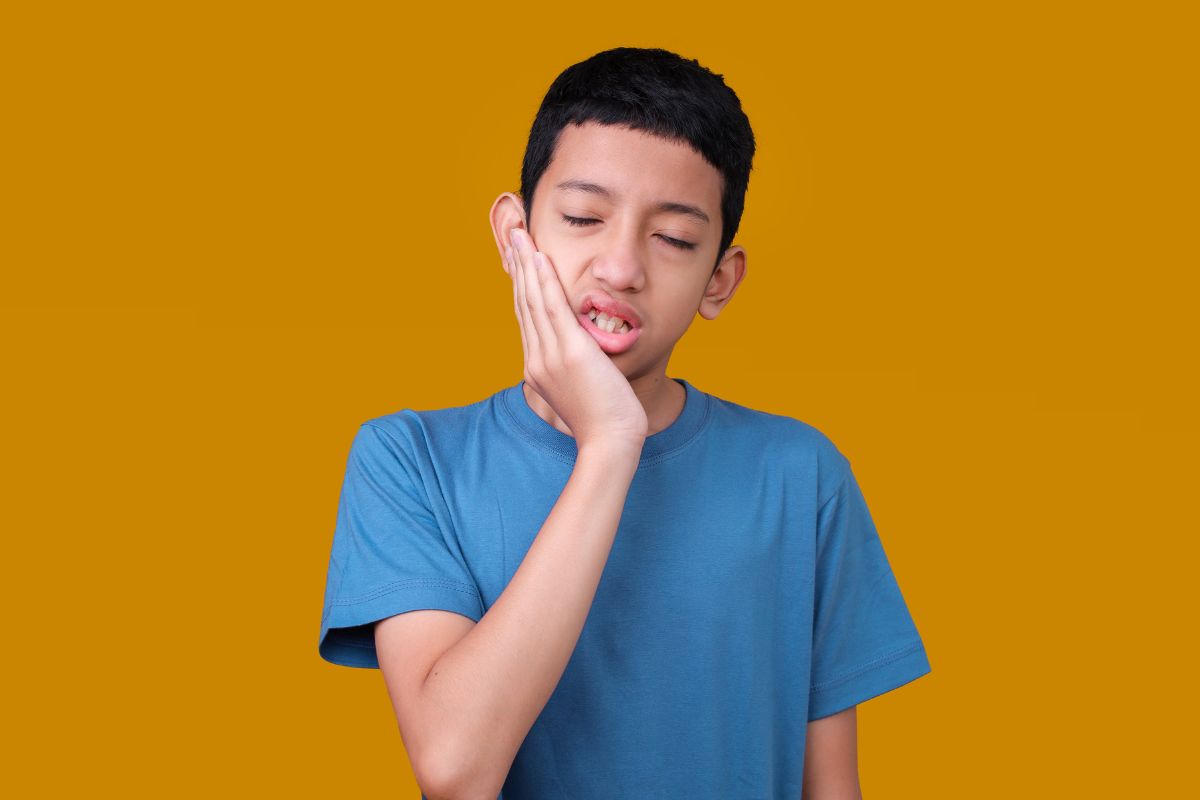
Kids might feel sharp twinges. Pain hits when eating ice cream or sipping hot soup. Nerves react to temperature shifts.
Deeper chips reach the pulp. That’s where blood vessels and nerves live. This amps up discomfort. Infection risks rise if ignored.
Signs and Symptoms to Watch For
Spotting issues early helps. Look for complaints of pain in one spot. Kids may avoid certain foods.
Sensitivity shows as wincing at cold air. Or discomfort from sweets. A rough edge on the tooth is a clue.
Swelling around the gums signals trouble. Bleeding might occur right after injury. Watch for color changes in the tooth.
Fever or bad breath could mean infection. Don’t wait if these appear. Quick action prevents worse problems.
If you’re dealing with sudden tooth pain after a fall, seeking an emergency dentist for kids in Wichita Falls, TX, ensures prompt care tailored to young patients.
When to Seek Professional Help
Not every chip needs instant attention. Small ones might smooth out on their own. But pain changes that.
See a dentist if sensitivity lingers. Or if the chip is large. Exposed nerves demand fast fixes.
Delays can lead to decay. Bacteria sneak in through cracks. This worsens sensitivity over time.
Regular check-ups catch issues early. They also guide on home care. Rinse with warm water after injury. Use a cold pack for swelling.
Treatment Options for Chipped Teeth
Options vary by damage size. Bonding fixes small chips. A tooth-colored resin fills the gap.
It blends seamlessly. Kids regain confidence in their smile. The process is quick and painless.
For bigger breaks, crowns protect the tooth. These caps cover and strengthen. They prevent further cracks.
In severe cases, root canals remove infected pulp. This stops pain at the source. Follow-up care keeps things stable.
Home remedies ease temporary discomfort. Soft foods help. Avoid extremes in temperature.
Prevention Tips for Healthy Smiles
Keep kids safe during play. Mouthguards are key for sports. They cushion impacts.
Supervise toddlers closely. Hard toys can cause chips. Teach gentle chewing habits.
Fluoride strengthens enamel. Use it in toothpaste. Regular brushing builds defense.
Healthy diets limit sugary snacks. This cuts decay risks. Strong teeth resist chips better.
Routine dental visits spot weak spots. Early tweaks prevent big issues. Make habits fun for kids.
We encourage parents to schedule an appointment if signs of wear appear, keeping little smiles bright.
Trending FAQs on Chipped Teeth and Sensitivity in Children
Parents often search for quick answers on this topic. Here are some frequently asked questions from Google, with helpful responses:
- What should I do if my child chips a tooth? Rinse the mouth with warm water. Apply a cold compress to reduce swelling. Locate any tooth fragments. Contact a dentist promptly for assessment.
- Is a chipped tooth in a child an emergency? It depends on severity. If there’s pain, bleeding, or nerve exposure, treat it as urgent. Minor chips can wait for a regular visit.
- Will a child’s chipped baby tooth grow back? No, baby teeth don’t regenerate. But they will fall out naturally, making way for permanent ones. Monitor for complications.
- What causes tooth sensitivity after a chip? Exposure of dentin or nerves triggers it. Hot, cold, or acidic foods irritate the area, leading to discomfort.
- Can a chipped tooth lead to infection in kids? Yes, if untreated. Bacteria enter cracks, causing decay or abscess. Early treatment prevents this.
Key Statistics on Dental Trauma in Children
Dental injuries affect many kids. Here’s a quick look at some data:
| Age Group | Prevalence of Dental Trauma | Common Causes |
|---|---|---|
| Preschoolers (2-5 years) | About 15% | Falls and play accidents |
| School-age (6-11 years) | 20-25% | Sports and bike injuries |
| Overall children (under 14) | Up to 30% | Trauma from daily activities |
These numbers highlight why awareness matters. Sources like epidemiological studies show boys face higher risks. Prevention cuts these odds.
Addressing dental concerns builds trust with families. It shows care beyond basics. Sharing knowledge empowers parents.
Think of sensitivity as a signal. It points to needed fixes. Responding well keeps kids comfortable.
Taking steps now protects future smiles. Don’t hesitate to reach out for guidance. Schedule an appointment to ensure your child’s dental health stays on track.