February 6, 2026
Braces
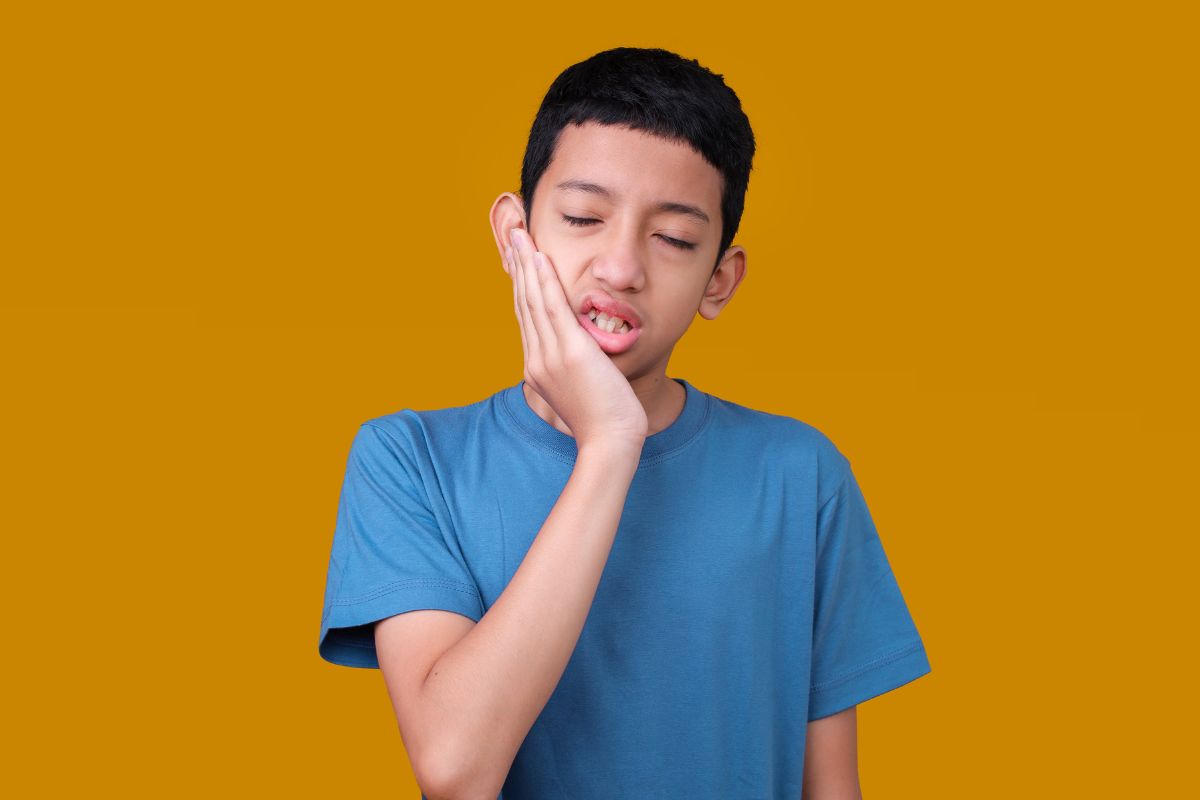
Jaw pain can disrupt daily life, making simple tasks like eating or talking uncomfortable. Many people wonder if orthodontic solutions offer relief. Braces often come up in these discussions. They address underlying issues that contribute to discomfort. This post explores how braces can help those dealing with bite problems and the pain they cause. We’ll cover causes, treatments, and what to expect.
Understanding a Bad Bite
A bad bite, or malocclusion, happens when teeth don’t align properly. Upper and lower jaws fail to meet evenly. This leads to uneven pressure during chewing.
Common types include overbite, where the upper teeth overlap too much. An underbite occurs when the lower teeth extend past the upper teeth. Crossbite involves side misalignment. An open bite leaves a gap when the jaws close.
These issues stem from genetics, habits like thumb-sucking, or injuries. They affect more than aesthetics. Over time, they strain muscles and joints.
How a Bad Bite Contributes to Jaw Pain
Misaligned teeth force jaws to work harder. This stresses the temporomandibular joint, or TMJ. TMJ connects the jaw to the skull. It acts like a hinge for movement.
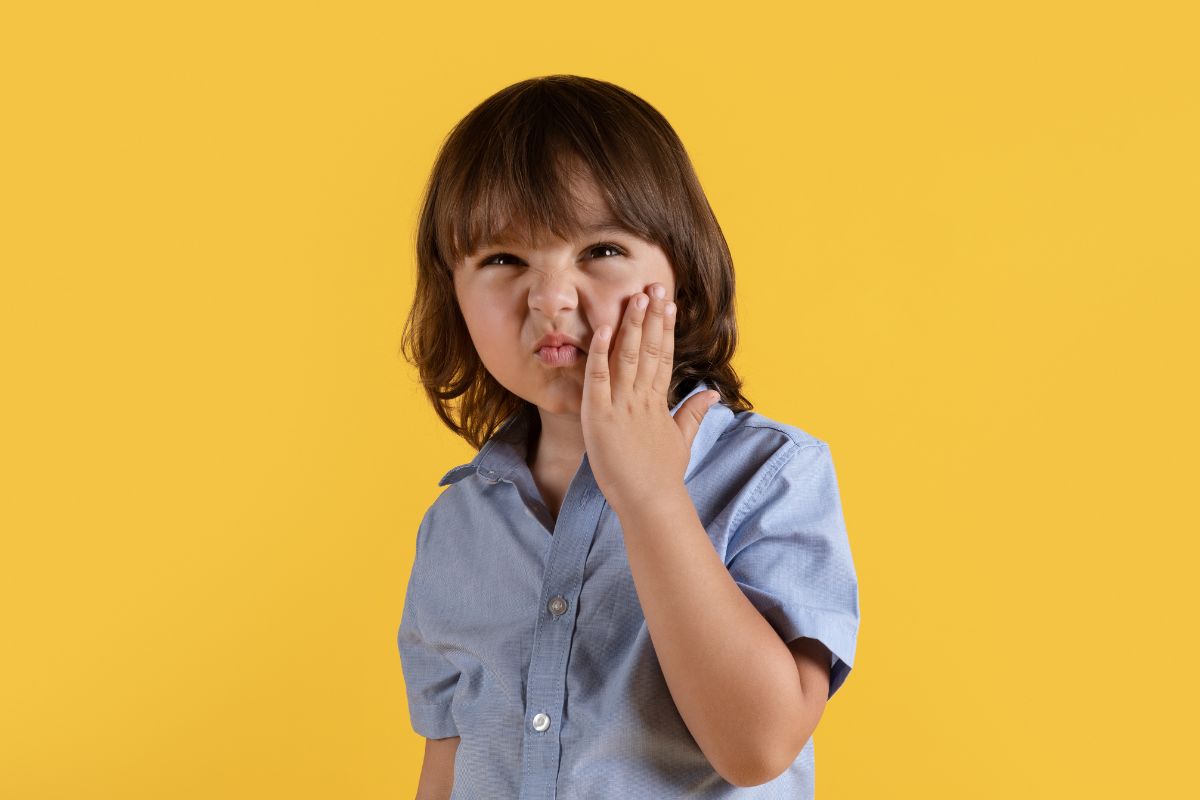
Strain causes inflammation. Symptoms include clicking sounds, headaches, or earaches. Chronic cases lead to TMJ disorder. Pain radiates to the neck and shoulders.
Uneven wear on teeth adds problems. It increases sensitivity. Grinding worsens the cycle. Addressing the root cause is key to lasting relief.
The Role of Braces in Bite Correction
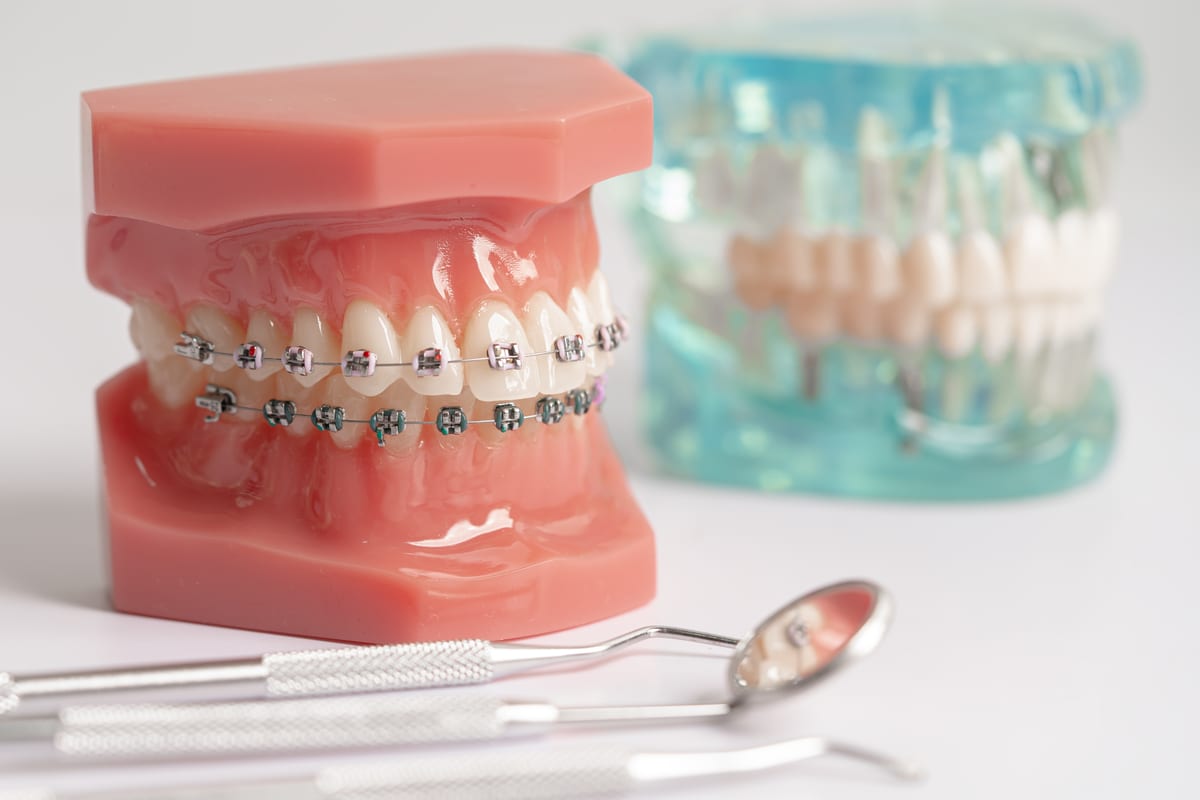
Braces apply steady pressure to shift teeth. They guide jaws into better positions. This corrects malocclusion over time.
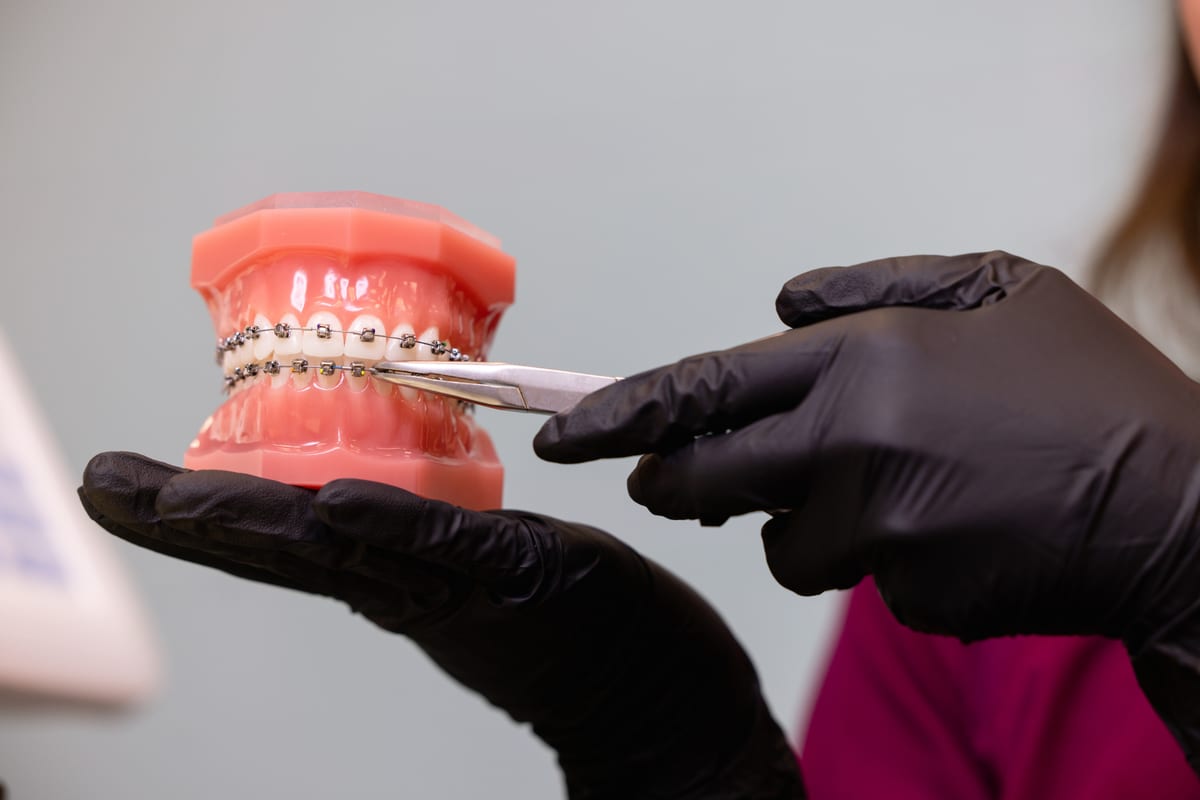
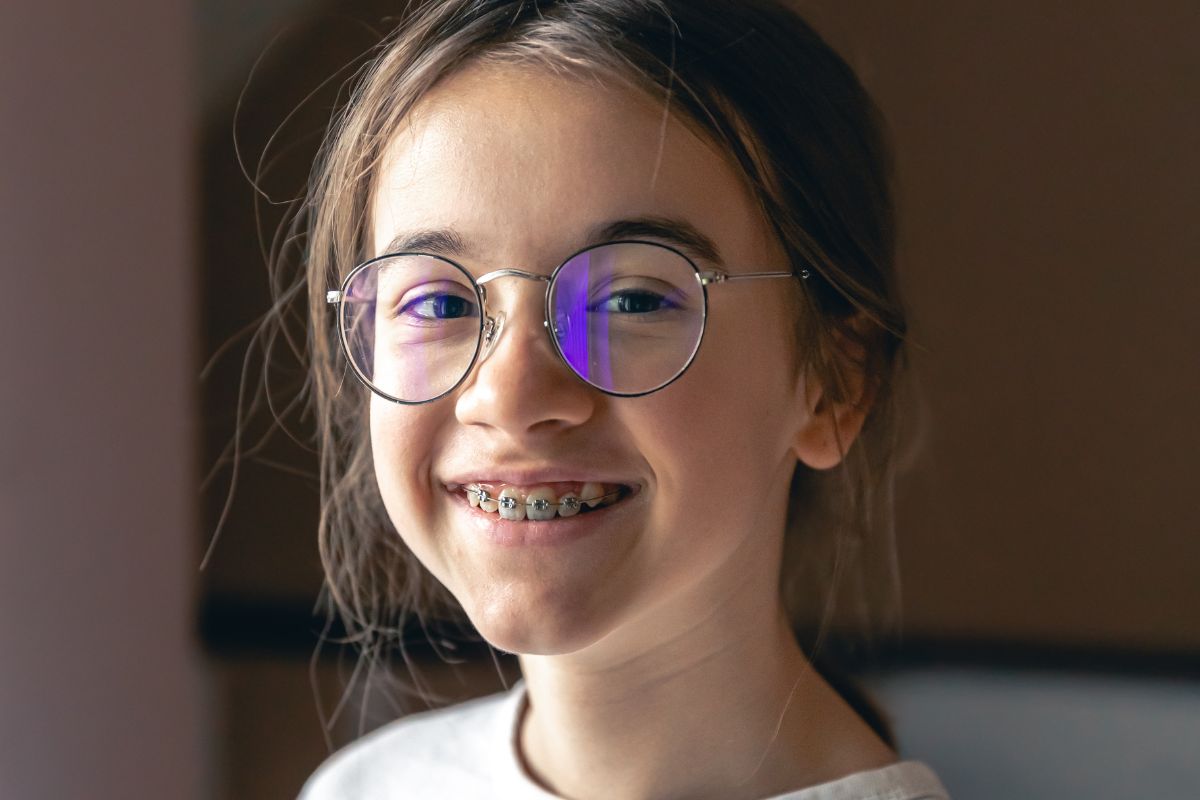
Traditional metal braces use brackets and wires. They handle complex cases well. Ceramic options blend with teeth for discretion.
Treatment starts with an evaluation. X-rays and impressions map the issues. Custom plans follow. Adjustments occur every few weeks.
Braces not only straighten teeth but also realign bites. This reduces TMJ stress. Many report less pain after completion.
Other Orthodontic Options for Jaw Issues
Clear aligners offer an alternative. They are removable trays that gradually move teeth. Ideal for mild to moderate misalignments.
Retainers maintain results post-treatment. Some appliances target specific bite problems. Headgear aids jaw growth in younger patients.
Combining methods enhances outcomes. Orthodontists tailor approaches based on severity. Consistency in wear is crucial.
In places like Wichita Falls, local practices focus on comprehensive care. They emphasize personalized plans. This ensures effective bite correction.
For those exploring options, orthodontic treatment in Wichita Falls, TX, fits seamlessly into routines. It addresses both function and appearance.
Benefits Beyond Pain Relief
Corrected bites improve chewing efficiency. This aids digestion. Speech clarity often enhances, too.
Facial symmetry boosts confidence. Straighter teeth are easier to clean. This lowers decay risk.
In the long term, it prevents further joint damage. Early intervention yields better results. Adults benefit as much as kids.
Potential Challenges During Treatment
Some experience initial soreness. This fades as mouths adjust. Wax helps with bracket irritation.
Eating habits change. Avoid sticky or hard foods. Regular check-ups monitor progress.
Temporary jaw discomfort may occur. It signals shifts happening. Report persistent issues promptly.
Trending FAQs on Braces and Bad Bites
Here are common questions people ask about this topic, based on frequent searches:
- Can braces fix TMJ disorder? Yes, by aligning the bite and reducing joint strain. Results vary by case.
- How long does it take for braces to correct a bad bite? Typically 18 to 24 months. Severity influences duration.
- Do braces cause jaw pain? Initial adjustments might. But they often relieve chronic pain from misalignment.
- What types of bite issues can braces address? Overbites, underbites, crossbites, and open bites. They handle most malocclusions.
- Is surgery needed for severe jaw misalignment? Sometimes, but braces often suffice or prepare for it.
These answers provide quick insights. Consult a professional for personalized advice.
Statistics on Orthodontic Success
Orthodontic treatments are highly effective in correcting malocclusions. Here’s a summary of key data:
| Treatment Type | Success Rate for Malocclusion Correction | Average Duration |
|---|---|---|
| Traditional Braces | 90% | 24 months |
| Clear Aligners | 88% | 18 months |
These figures come from studies on long-term outcomes. Braces excel in complex cases.
When to Seek Professional Help
Persistent jaw pain warrants attention. Early signs include difficulty opening the mouth or uneven tooth wear.
A consultation reveals underlying causes. Digital scans offer precise diagnostics. Treatment plans evolve with progress.
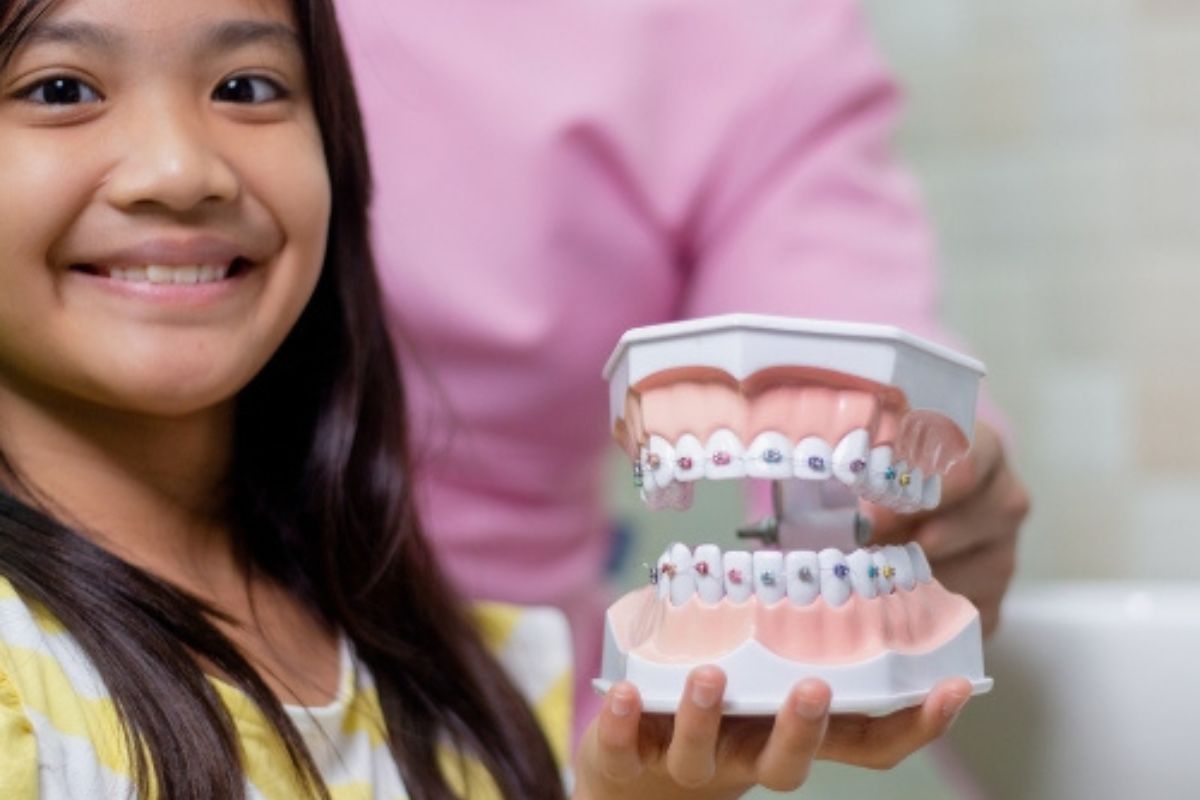
If you are searching for a kids dentist near Wichita Falls, local experts can help you find one. They assess if braces suit your needs.
Options like partial dentures or full dentures address other concerns. But for bite issues, orthodontics shines.
Taking that step brings clarity. It sets the path to comfort.
Final Thoughts on Braces and Jaw Health
Braces offer a proven way to tackle bad bites. They align teeth and ease pain. Patience during treatment pays off.
Improved function enhances life quality. Smiles become more than cosmetic.
Ready to explore? Schedule an appointment today. It could transform your daily comfort.