March 27, 2026
Orthodontics
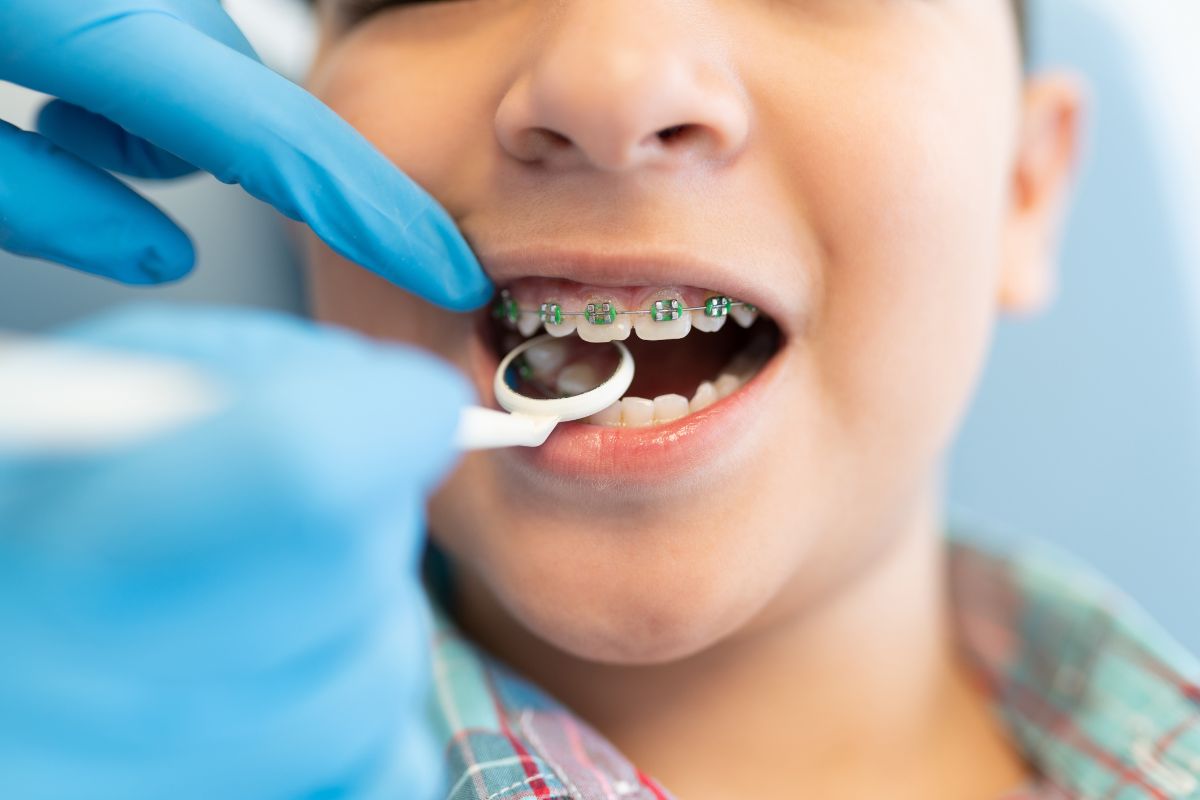
Many parents notice their child grinding teeth at night and wonder if it will derail the straightening process. Teeth grinding, or bruxism, is surprisingly common in children and can quietly influence how well braces or aligners work. Understanding this connection helps families stay ahead and keep treatment on track for a healthy, confident smile.
What Is Teeth Grinding and Why Does It Happen in Kids?
Teeth grinding involves clenching or rubbing the teeth together, often during sleep. It affects about one in five children worldwide and usually starts in early school years. Common triggers include stress from school or changes at home, airway issues like mouth breathing, or developing bite problems where teeth do not fit together perfectly.
Kids may not complain, but the constant pressure strains growing jaws and teeth. Without attention, it leads to worn enamel, jaw discomfort, or headaches upon waking. Spotting it early makes a big difference in protecting orthodontic results.
Spotting the Signs of Bruxism Early
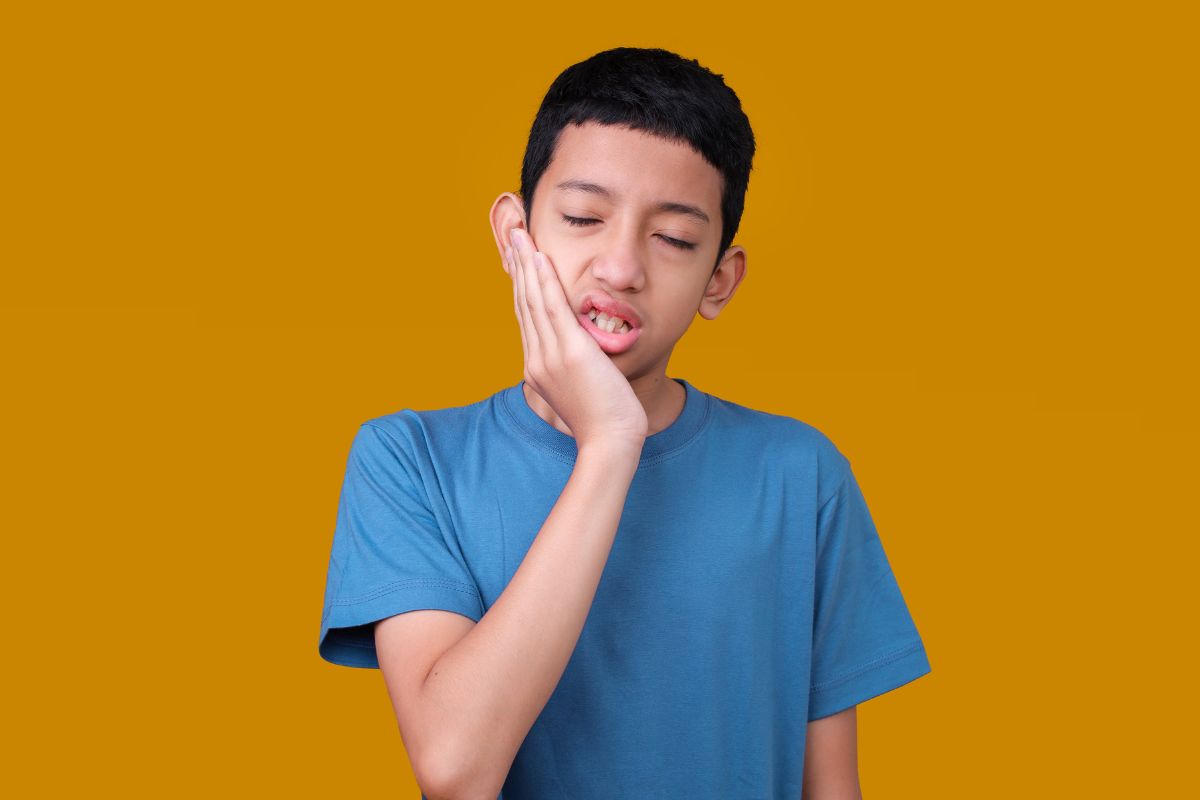
Listen for a grinding sound at night or notice these clues during the day. Your child might wake with a sore jaw, sensitive teeth, or flattened tooth edges. Headaches, ear pain, or cheek tenderness often appear too. Some kids show increased tooth wear on baby or permanent teeth.
Parents sometimes see chipped teeth or notice their child chewing oddly. These signs matter because untreated grinding adds extra forces that orthodontic appliances must fight against. Regular check-ups catch these patterns before they slow progress.
The Direct Impact on Orthodontic Progress
Bruxism places heavy, repeated pressure on teeth and jaws. During treatment, this force can loosen brackets, bend wires, or even crack them. As a result, teeth move slower than planned, and alignment takes longer to achieve.
Enamel wears faster under grinding, raising sensitivity and cavity risk. Misaligned bites worsen when grinding continues, making corrections harder. In some cases, jaw muscles tighten, leading to discomfort that affects how well a child tolerates adjustments.
Studies show that up to 45 percent of kids in orthodontic care report grinding after treatment begins. The good news? Addressing the root cause often reduces these setbacks.
Why Grinding Can Temporarily Increase with Early Treatment
New braces or aligners feel strange at first. The unfamiliar pressure sometimes triggers more clenching as the mouth adjusts. This phase usually passes within weeks once teeth start shifting into better positions.
Orthodontists watch closely during these visits. Minor wire changes or protective additions help ease the transition. Staying consistent with wear instructions keeps everything moving forward smoothly.
Our orthodontic treatment for kids in Wichita Falls, TX, focuses on these details, guiding families through every stage with clear communication and gentle care tailored to young patients.
How Orthodontics Helps Reduce Grinding Over Time
Proper bite correction often calms the urge to grind. When upper and lower teeth meet evenly, the jaw stops searching for comfort and rests naturally. Many children experience less grinding once alignment improves.
This creates a positive cycle: straighter teeth mean less strain, which supports faster overall progress. Early intervention during growth years maximizes these benefits and helps the jaws develop correctly.
Practical Steps to Protect Treatment Progress
Simple habits make a real difference. Encourage stress relief through play, reading, or calm bedtime routines. Avoid chewy or hard foods that strain teeth during active treatment phases.
A custom night guard designed for orthodontic wear can shield braces without interfering with movement. Your orthodontist fits it precisely and adjusts it as needed. Consistent oral hygiene prevents extra issues like decay that could complicate care.
Track symptoms in a quick journal to share at visits. Open talks with the care team turn potential problems into easy solutions.
If you are searching for a kids’ orthodontist near Wichita Falls, know that experienced teams prioritize these protective strategies to keep smiles advancing steadily.
Trending FAQs About Teeth Grinding and Kids’ Orthodontics
- What causes teeth grinding in children?
Stress, misaligned bites, or breathing issues during sleep often trigger it. - Does teeth grinding slow down braces’ progress?
Yes. Extra pressure can loosen brackets and delay tooth movement. - Can braces help stop teeth grinding?
In many cases, yes. Correcting the bite reduces the urge over time. - Is grinding normal when kids first get braces?
Mild increases can happen at the start, but usually fade quickly. - How can parents help reduce grinding at home?
Promote calm routines, limit screen time before bed, and follow the orthodontist’s advice on guards. - Will grinding damage permanent teeth during treatment?
It risks enamel wear and sensitivity if left unchecked, so early steps matter.
Keeping Your Child’s Smile on Track
Teeth grinding does not have to stand in the way of beautiful orthodontic results. With awareness, timely adjustments, and simple protective habits, kids move through treatment confidently and finish with strong, aligned smiles. Every small step you take now supports their long-term oral health and self-esteem.
To schedule an appointment, reach out today and let the team guide your child toward a brighter, grinding-free future.