September 11, 2026
General Dentist

Finding out your child has a cavity isn’t exactly a fun moment. There’s a little guilt that creeps in: did I miss something? Should I have caught this sooner? But here’s the truth: tooth decay in kids is incredibly common, and honestly, it’s very treatable. The key is knowing what actually happens once you’re sitting in that chair at a kids’ dentist in a Wichita Falls office, and why early treatment matters so much more than people think. So let’s walk through it. What causes decay in the first place, how it’s diagnosed, and what treatment actually looks like for a child’s tooth.
What Causes Tooth Decay in Children?
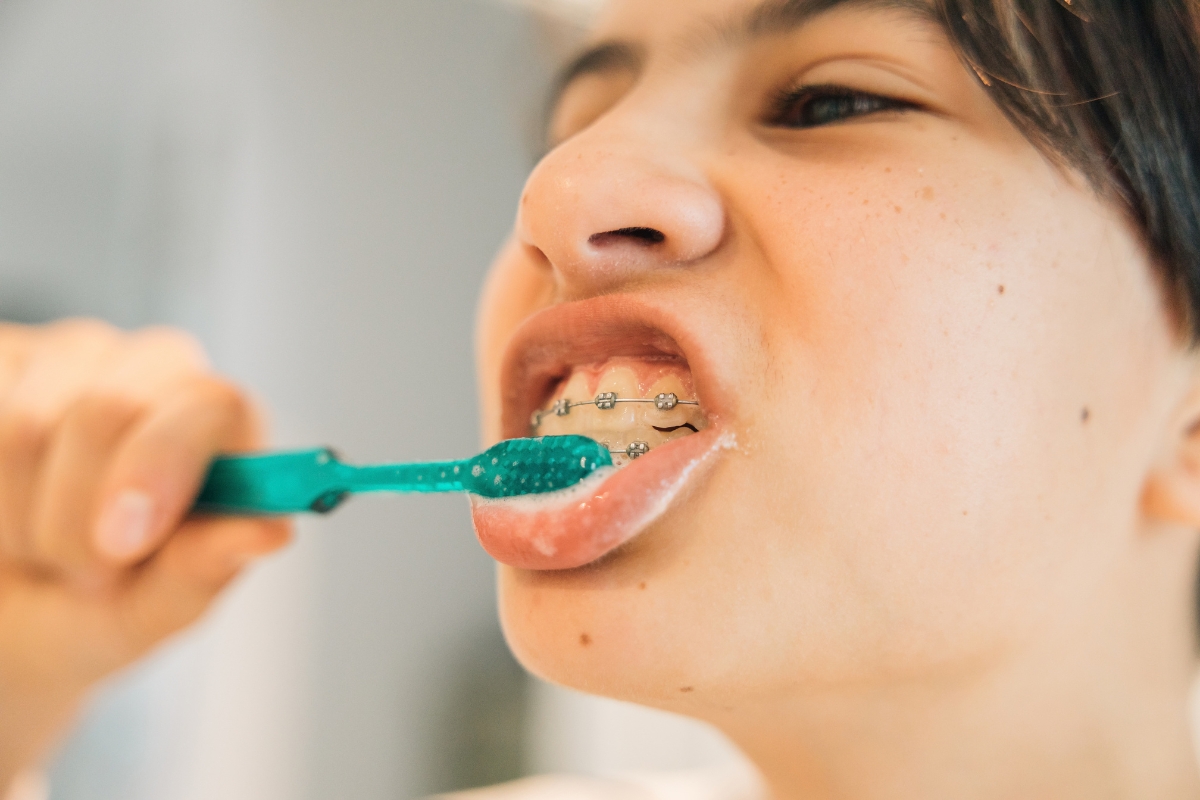
Sugar, mostly. Not just candy, either; juice, crackers, and even some “healthy” snacks sneak in more sugar than parents realize. When sugar sits on teeth, bacteria feast on it and produce acid. That acid wears down enamel over time, and eventually, a cavity forms. Add in inconsistent brushing (we’ve all been there, mid-tantrum, just trying to get through bedtime) and decay becomes almost inevitable without the right preventive habits.
Kids’ teeth are also just softer than adult teeth. Thinner enamel means decay can progress faster than you’d expect. That’s exactly why a visit to a kids’ dentist in Wichita Falls that parents rely on shouldn’t be pushed off, even if the cavity seems small at first.
How Dentists Diagnose Decay
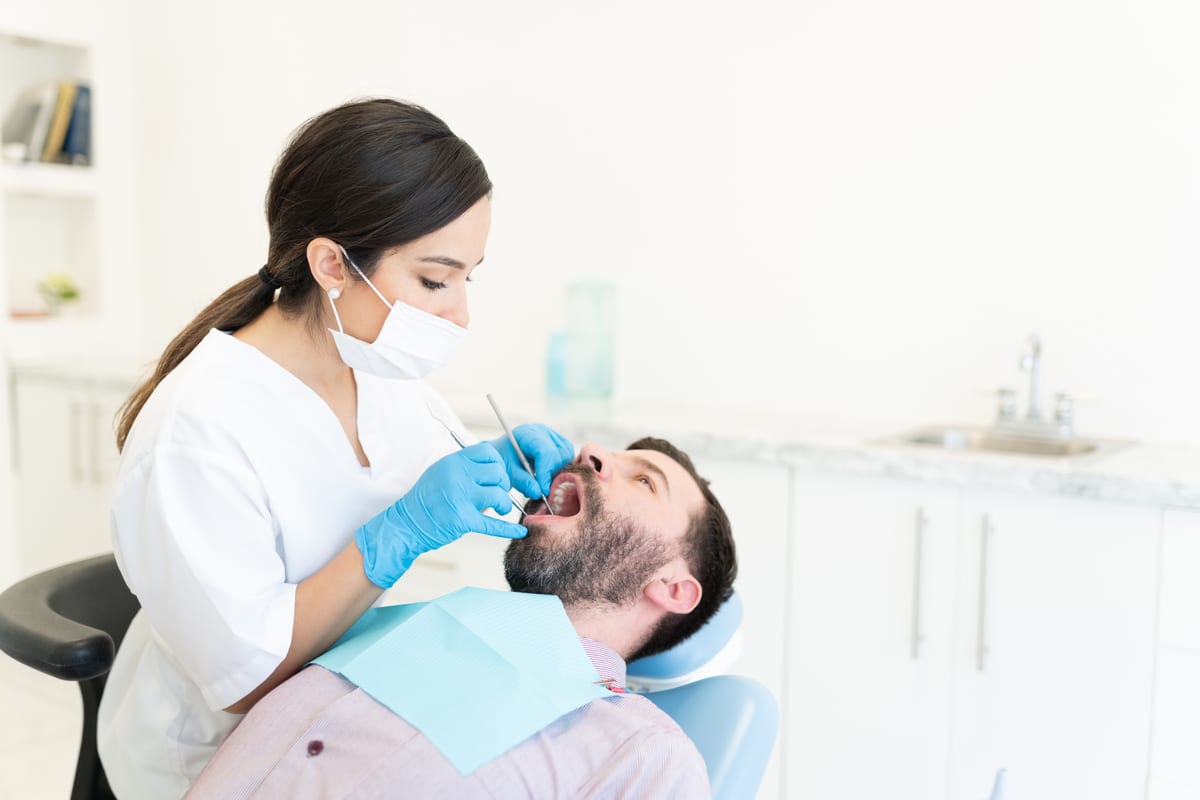
It usually starts with a visual exam; dentists look for discoloration, soft spots, or visible holes. But not all decay is obvious to the eye. X-rays often come into play too, especially for cavities forming between teeth where you just can’t see them. This combination gives a much clearer picture of what’s actually going on beneath the surface.
Catching decay early changes everything. A cavity caught in its earliest stage might only need a simple filling. Wait too long, though, and it can spread toward the nerve, leading to pain, infection, or the need for more involved treatment.
Treatment Options a Kids Dentist Wichita Falls Families Trust Might Recommend
Treatment really depends on how far the decay has progressed. Here’s a general breakdown of what’s typically used:
- Fluoride Treatment: For very early-stage decay, sometimes fluoride alone can help re-mineralize the tooth and stop things from progressing further. It’s quick, painless, and often enough if caught early.
- Fillings: The most common fix. The decayed portion gets removed, and the space is filled with a tooth-colored material. Simple, effective, and usually done in a single visit.
- Dental Crowns: When decay is more extensive, a crown might be needed to cover and protect the remaining tooth structure. This is especially common for baby molars that have significant decay but still need to function until the adult tooth comes in.
- Pulp Therapy: Sometimes decay reaches the inner pulp of the tooth. In these cases, a pediatric dentist may perform a procedure similar to a root canal (often called a pulpotomy) to remove the infected tissue and save the tooth.
- Extraction: Not the first choice, ever, but sometimes necessary if decay has caused too much damage. Even then, dentists try to preserve space for the adult tooth to come in properly.
Every kids’ dentist in Wichita Falls prioritizes the least invasive option that’ll actually work. Nobody jumps straight to drastic measures; that’s just not how good pediatric care operates.
Why Early Treatment Really Does Matter
Think about it this way: a small cavity today is a quick, simple fix. Ignore it, and it doesn’t just stay the same size. It grows. It can hit the nerve. It can cause an infection that spreads. And yeah, it can turn a fifteen-minute appointment into something far more complicated and, frankly, more expensive too.
There’s also the comfort factor. A child who associates the dentist with quick, painless fixes grows up far less anxious about dental care than one who only visits when something hurts badly enough to force the issue. That’s really the whole point of catching decay early with a kids dentist Wichita Falls families can count on: less pain, less cost, less stress all around.
What Makes Pediatric Dental Care Different
Pediatric dentists train specifically to work with kids: different communication style, different pacing, different tools even. They know how to explain a filling without using the word “drill” and triggering a meltdown. That matters. A general dentist can technically treat a child’s cavity, sure, but the experience itself often isn’t built around keeping a nervous five-year-old calm and cooperative.
Choosing a dedicated kids dentist in Wichita Falls that families already recommend to each other tends to make the whole process smoother, for the kid and for the parent sitting in the waiting room hoping everything goes fine.
FAQ: Tooth Decay Treatment in Children
Q: Is it normal for baby teeth to get cavities?
Yes, very normal. Baby teeth are more vulnerable to decay because their enamel is thinner. That doesn’t mean treatment can be skipped, though; baby teeth still matter for chewing, speech, and holding space for adult teeth.
Q: Does filling a cavity hurt?
Not usually. Pediatric dentists use local anesthesia to numb the area, and most kids tolerate the procedure just fine. Mild sensitivity afterward is normal and typically fades quickly.
Q: How can I prevent future cavities?
Consistent brushing twice a day, limiting sugary snacks and drinks, and regular checkups go a long way. Fluoride treatments and sealants help too, especially for cavity-prone kids.
Q: When should decay be treated versus just monitored?
Very early decay sometimes gets monitored with fluoride support. But once a visible cavity forms, treatment is generally recommended rather than waiting it out.
Q: How do I find a reliable kids dentist near Wichita Falls?
Look for a pediatric-focused practice with good parent reviews, a kid-friendly environment, and dentists who take time to explain things clearly, both to you and your child.
Don’t Let a Small Cavity Turn Into a Bigger Problem
Tooth decay is common, treatable, and honestly, nothing to panic over, as long as it’s addressed early. The longer it sits, the more complicated (and uncomfortable) treatment tends to get.
If you suspect your child has a cavity or it’s just time for a routine checkup, Spearmint Kids Dental & Orthodontics is ready to help. As a trusted kids dentist Wichita Falls parents turn to again and again, we focus on gentle, straightforward care that keeps kids comfortable and parents informed. Schedule a visit or visit us at our clinic at Southwest Pkwy Ste 500, Wichita Falls, TX 76308 today, and get ahead of it before it becomes a bigger issue.