April 10, 2026
Dental Sealants
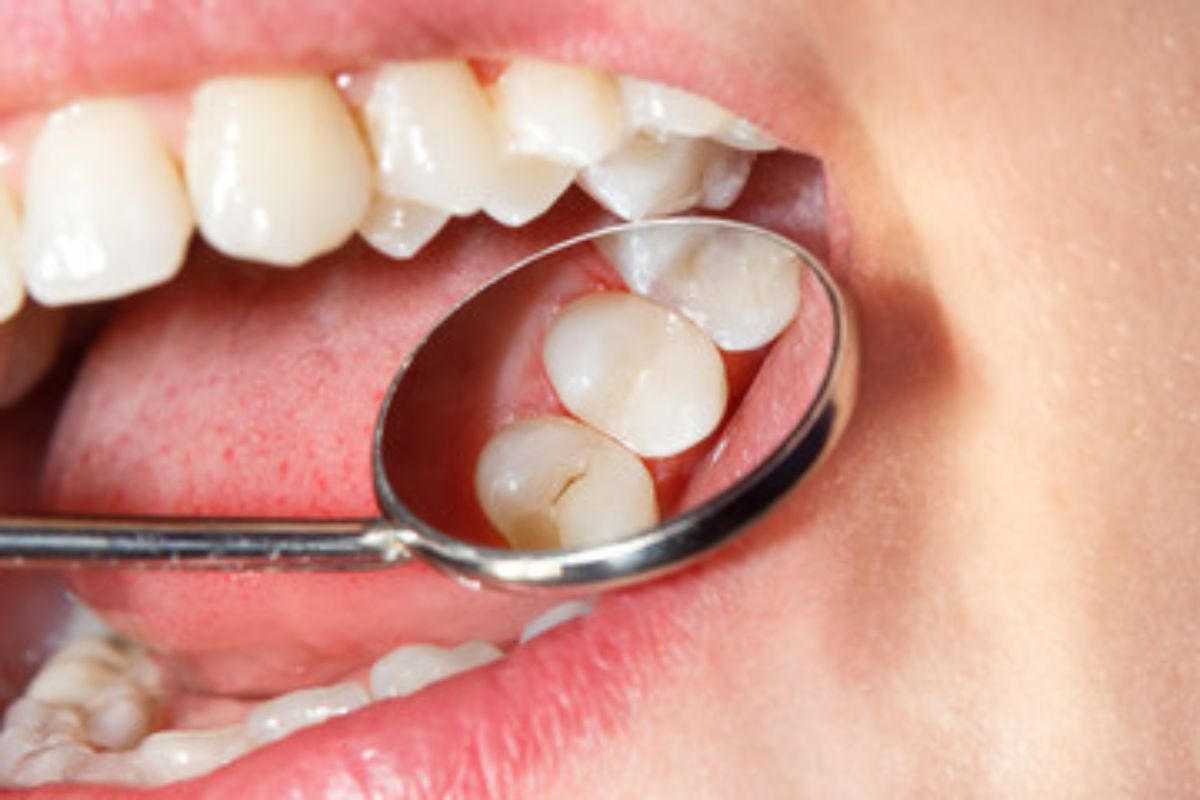
Deep grooves on children’s teeth can be a hidden challenge. These tiny pits and fissures often trap food and bacteria, making them harder to clean with regular brushing. Parents often wonder if preventive treatments can truly protect these vulnerable areas. Dental sealants are commonly recommended, but how effective are they—especially for deeper grooves?
This guide explains how sealants work, why they are especially helpful for kids, and what parents should know before making a decision.
Understanding Deep Tooth Grooves in Children
What Are Tooth Grooves?
Children’s molars naturally have grooves and fissures. These help with chewing but can also become a breeding ground for bacteria. Some grooves are shallow and easy to clean. Others are deep and narrow, making it difficult for toothbrush bristles to reach inside.
Why Are Deep Grooves a Concern?
- Food particles get trapped easily
- Bacteria thrive in hard-to-clean areas
- Higher risk of cavities in molars
- Early decay can develop without visible signs
Because children are still learning proper brushing habits, these grooves become even more vulnerable.
What Are Dental Sealants?
Dental sealants are thin, protective coatings applied to the chewing surfaces of back teeth. They act as a barrier, sealing off grooves and preventing food and bacteria from settling in.
How Sealants Work
- A liquid coating is applied to the tooth
- It flows into deep grooves and hard-to-reach pits
- The material hardens and forms a protective shield
This process is quick, painless, and highly effective for children.
Are Sealants Effective for Deep Grooves?
Protection Where It’s Needed Most
Sealants are particularly effective for deep grooves because they physically block the areas where decay typically starts. Instead of trying to clean inside narrow pits, the grooves are sealed off entirely.
Clinical research shows that sealants can significantly reduce the risk of cavities in molars, especially in children.
Evidence-Based Effectiveness
| Factor | Without Sealants | With Sealants |
|---|---|---|
| Cavity Risk in Molars | High | Reduced by up to 80% |
| Food Trapping | Common | Minimal |
| Cleaning Difficulty | High | Easier |
Sealants offer a strong preventive solution, especially during the cavity-prone years.
Why Sealants Are Ideal for Children
Children benefit the most from sealants because their permanent molars are newly erupted and more susceptible to decay.
Key Advantages
- Protects teeth during early development
- Supports better oral hygiene habits
- Reduces need for future dental treatments
- Provides long-lasting protection
Many parents explore options like dental sealants in Wichita Falls, TX when looking for ways to safeguard their child’s smile early on.
What Makes Deep Grooves Hard to Clean?
Even with proper brushing, deep grooves remain difficult to reach. Toothbrush bristles are not designed to penetrate narrow fissures.
Common Challenges
- Uneven tooth surfaces
- Limited brushing angle
- Lack of brushing consistency in kids
- Sticky foods increasing buildup
Sealants solve this problem by eliminating the space where debris accumulates.
Long-Term Protection and Durability
Sealants are not just a temporary fix. With proper care, they can last several years.
What Affects Longevity?
- Regular dental checkups
- Good oral hygiene
- Avoiding excessive wear (like chewing hard objects)
Dentists often check sealants during routine visits and reapply them if needed.
A Closer Look at Preventive Dental Care
Parents often ask about the overall value of preventive treatments. When discussing the advantages of dental sealants, it’s important to highlight how they reduce the risk of decay before it even begins.
Sealants are part of a proactive approach. Instead of treating cavities later, they help avoid them altogether. This is especially important for children, whose enamel is still developing and more prone to damage.
When Should Children Get Sealants?
Ideal Timing
- As soon as permanent molars erupt (around ages 6–12)
- When deep grooves are visible
- Before any signs of decay
Early application ensures maximum protection.
Signs Your Child May Need Sealants
- Deep pits or grooves on molars
- Frequent plaque buildup in back teeth
- Difficulty brushing properly
- History of cavities
If you notice these signs, a dental visit can help determine the right preventive plan.
Trending FAQs About Dental Sealants
Here are common questions parents search for online:
- Do dental sealants really work on deep grooves?
Yes. They seal deep pits and prevent bacteria buildup effectively. - How long do sealants last on kids’ teeth?
Typically several years with proper care and regular checkups. - Are sealants safe for children?
Yes. They are widely used and considered safe in pediatric dentistry. - Can sealants prevent all cavities?
They significantly reduce risk but should be combined with brushing and flossing. - Do sealants require special care?
No. Regular oral hygiene and dental visits are enough.
Choosing the Right Pediatric Dental Care
Preventive care works best when guided by experienced professionals. If you are searching for a reliable kids’ dentist in Wichita Falls, it’s important to choose a provider who focuses on children’s oral health and understands their unique needs.
A child-friendly environment, personalized care, and preventive focus make a big difference in long-term dental health.
Deep tooth grooves can increase the risk of cavities, especially in children. Sealants offer a simple yet powerful way to protect these vulnerable areas. By sealing off hard-to-clean grooves, they help maintain healthy teeth during critical growth years.
A proactive approach to dental care ensures your child develops strong oral hygiene habits and a confident smile. To take the next step, schedule an appointment today and give your child the protection they deserve.