January 16, 2026
Braces

Parents often worry when they notice their child’s teeth overlapping or twisting as they grow. It’s a common issue that can affect eating, speaking, and confidence. The good news is that modern orthodontics offers solutions to straighten things out. This post dives into what overcrowding means, why it happens, and how treatment can help. You’ll gain insights to make informed choices for your little one’s smile.
What Causes Overcrowded Teeth in Children?
Overcrowded teeth occur when there’s not enough space in the jaw for all teeth to align properly. Genetics play a big role; if parents had similar issues, kids might too. Habits like thumb-sucking or prolonged pacifier use can push teeth out of place. Early loss of baby teeth from decay or injury may let permanent ones shift incorrectly. Jaw size mismatches during growth spurts add to the problem. Diet and nutrition influence jaw development as well. Recognizing these factors early aids in prevention.
Signs Your Child Might Have Overcrowded Teeth
Look for teeth that overlap or rotate awkwardly. Gaps might appear uneven, or some teeth could erupt behind others. Your child may complain of discomfort while chewing. Speech issues, like lisping, can signal misalignment. Frequent mouth breathing or snoring points to jaw constraints. Crooked smiles become noticeable around ages 7 to 10. Regular dental check-ups spot these early. Don’t ignore persistent bad breath from hard-to-clean spots.
Benefits of Early Orthodontic Evaluation
The American Association of Orthodontists suggests a first check by age 7. This timing catches problems while jaws are still growing. Early fixes prevent worse issues later, like gum disease or tooth wear. Kids gain better bite function for easier eating. Confidence soars with straighter teeth. Treatment might be shorter and simpler in youth. It guides proper jaw growth naturally. Many local experts in Texas emphasize this proactive step for lasting results.
How Braces Work to Fix Crowding
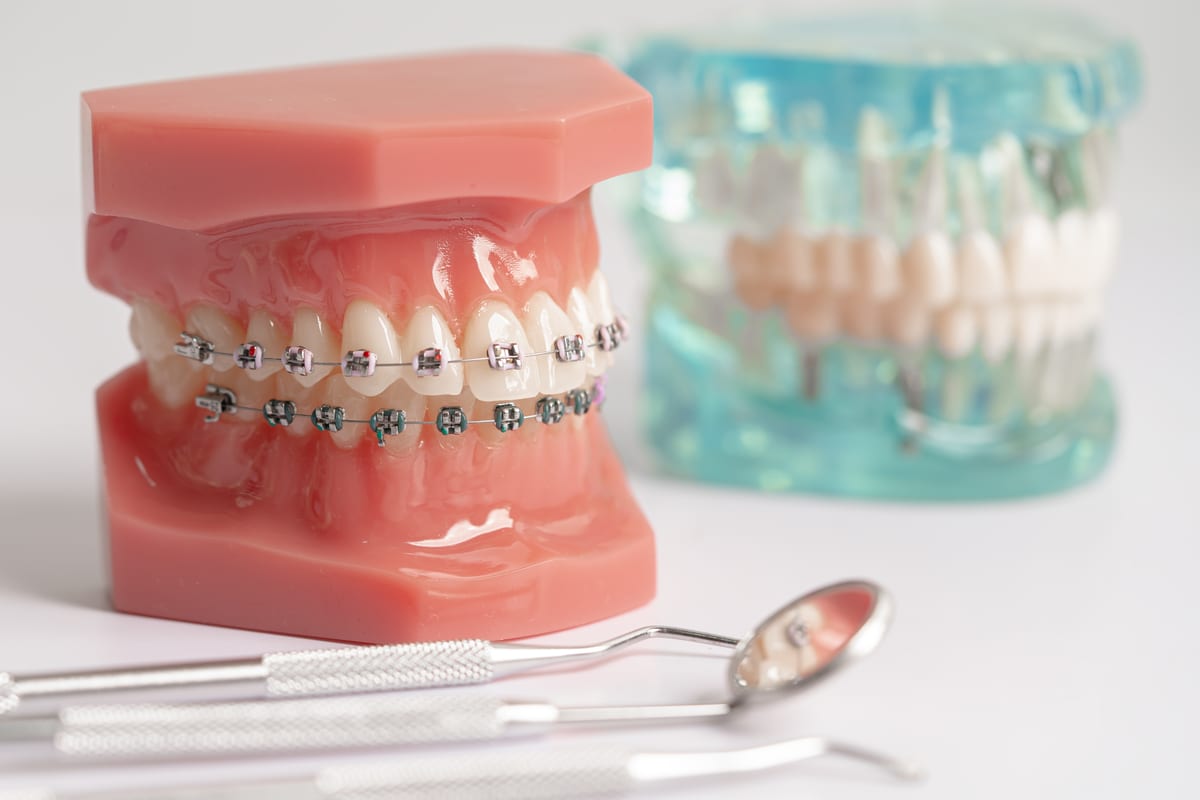
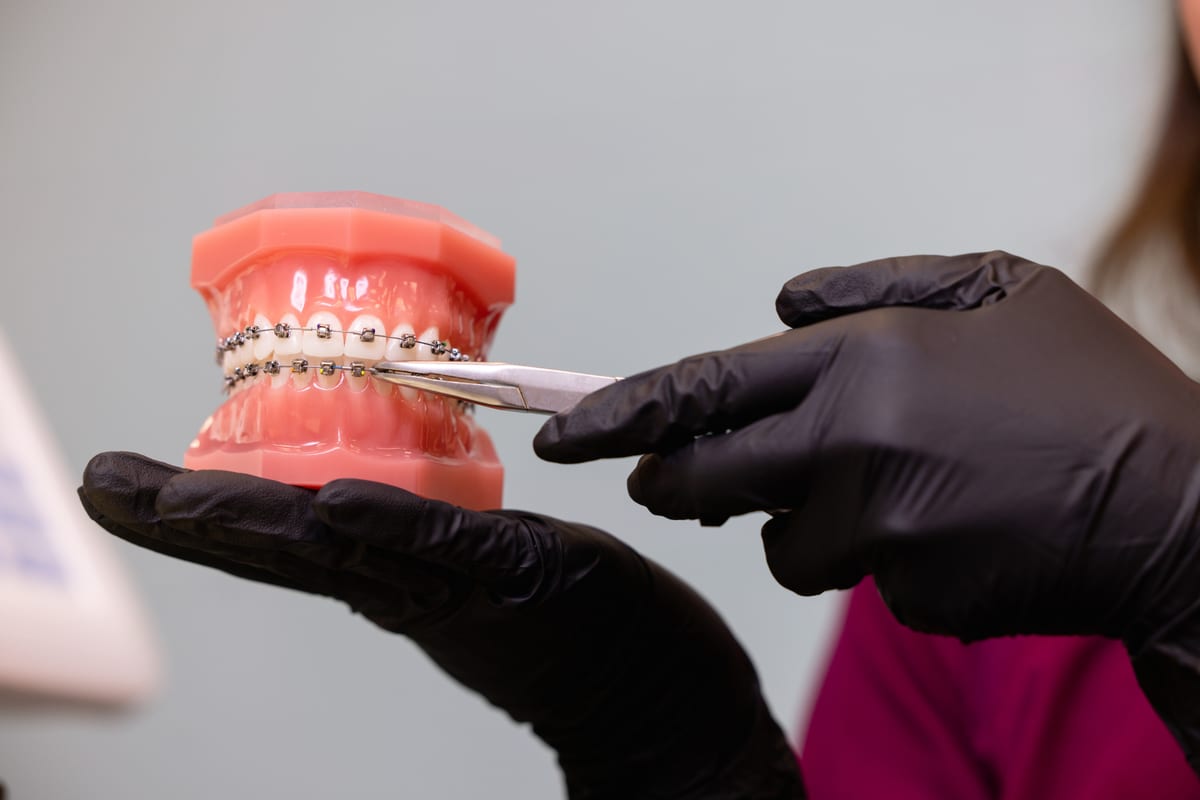
Braces apply gentle, steady pressure to move teeth into position. Brackets attach to each tooth, connected by wires that tighten over time. This creates space and aligns the arch. Adjustments happen every few weeks to track progress. For kids, metal or ceramic options blend in. The process reshapes the jaw subtly. Results show in months, with full correction in 1 to 3 years. Patience pays off with a balanced bite.
If your family lives in northern Texas, consider exploring our braces treatment for kids in Wichita Falls, TX, as local specialists often tailor plans to young patients’ needs.
Treatment Options for Crowded Teeth
Traditional braces suit moderate to severe cases. They handle complex shifts effectively. Clear aligners work for milder crowding in older kids. These removable trays offer discretion. Palatal expanders widen the upper jaw in growing children. This device fits on the roof of the mouth. Space maintainers hold spots if baby teeth fall out early. In some instances, extractions create room. Each choice depends on age and severity. Consult a professional for the best fit.
Key Statistics on Overcrowded Teeth and Braces
Here’s a table with relevant stats based on research:
| Aspect | Statistic | Source Insight |
|---|---|---|
| Prevalence in Children | 56% average, ranging 31-96% | Global studies on mixed dentition |
| Effectiveness of Braces | 88-90% success in alignment | Orthodontic treatment outcomes |
| Early Treatment Impact | Reduces need for extractions by 20-30% | AAO guidelines and reviews |
| Average Treatment Duration | 18-24 months for standard cases | Clinical data on crowding correction |
These figures highlight why timely intervention matters.
Addressing Common Concerns
Parents often ask about pain levels. Initial soreness fades quickly with soft foods. Hygiene routines adapt with special brushes. Sports guards protect during activities. Growth phases influence timing, so monitoring helps. Emotional support eases any self-consciousness. Progress photos motivate kids. Open talks build trust in the process.
Trending FAQs on Braces for Overcrowded Teeth in Children
Here are some frequently asked questions from Google searches, with helpful answers:
- At what age should a child get braces for crowded teeth? Start evaluations around age 7, but treatment often begins between 9 and 14 when permanent teeth emerge. Early checks allow for interceptive care.
- How long do braces take to fix overcrowded teeth? It varies by severity, but most cases resolve in 18 to 24 months. Regular adjustments speed progress.
- Can overcrowded teeth in children fix themselves? Rarely; natural growth might help mildly, but orthodontics usually guides proper alignment to prevent complications.
- What causes overcrowded teeth in children? Genetics, small jaws, habits like thumb-sucking, or early tooth loss contribute. Poor nutrition can affect jaw development too.
- Are there alternatives to braces for fixing crowded teeth? Yes, like clear aligners or expanders for mild cases. Severe crowding often needs braces for best results.
These cover what many search for online.
We’ve explored how overcrowding starts and how braces tackle it head-on. If you are searching for a orthodontist in Wichita Falls, TX, chatting with one can clarify your child’s unique situation in a relaxed way.
Every smile tells a story, and starting early ensures a happy ending. Empower your child with knowledge and care for a brighter future. Regular visits keep things on track.