August 6, 2025
Orthodontics

Parents often wonder about the best time to address their child’s smile. Crooked teeth or bite issues can spark concerns about future dental health. Early intervention might seem like a smart move. Yet, questions linger on whether it truly sets the stage for lasting results. This post dives into the facts, helping you make informed choices for your family.
Understanding Early Orthodontics
Early orthodontics focuses on children around age seven. At this stage, baby teeth mix with permanent ones. Orthodontists spot issues like crowding or jaw misalignment early. The American Association of Orthodontists recommends a first check-up by age seven. This allows monitoring growth patterns. Not every child needs treatment right away. Some benefit from watchful waiting. Others get interceptive care to guide development.
Phase one treatment targets specific problems. It aims to prevent complications down the line. For instance, expanders widen the upper jaw. This creates space for incoming teeth. Headgear corrects bite alignment. These tools work best while bones are still growing. By adolescence, options shift to full braces or aligners.
Research shows early care can influence outcomes positively. A study in the Journal of Clinical Pediatric Dentistry found it reduces severity in many cases. Yet, success depends on individual factors like genetics and habits.
Key Benefits of Early Intervention
Starting orthodontic care young offers several advantages. It guides jaw growth for better facial symmetry. This can avoid surgery later. Early treatment also corrects harmful habits. Thumb-sucking or tongue-thrusting might shift teeth. Breaking these early prevents lasting damage.
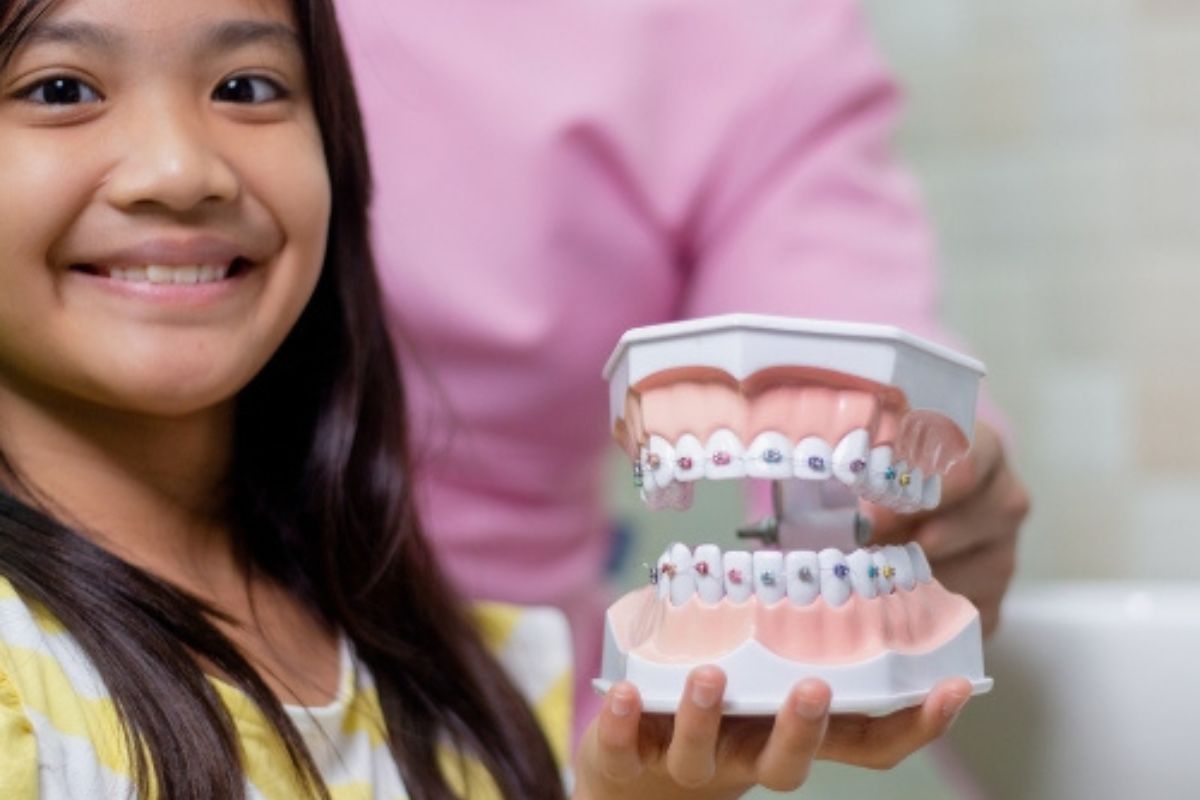
Another perk is improved oral health. Straight teeth are easier to clean. This lowers the risks of cavities and gum disease. Kids gain confidence too. A straighter smile boosts self-esteem during the school years. Studies indicate early care leads to better alignment in adulthood. One retrospective analysis showed significant improvements in jaw relationships.
Early action can shorten overall treatment time. It makes room for permanent teeth. This might reduce the need for extractions. Parents notice fewer issues as teens. Yet, results vary. Consistent follow-ups ensure progress.
| Statistic | Detail | Source Insight |
|---|---|---|
| Improvement Rate | 73% of cases show 30%+ reduction in malocclusion severity | Journal of Dental Education study on Phase I effectiveness |
| Class II Correction Success | 82% with early treatment vs. 65% late | Journal of Pharmaceutical Negative Results |
Does It Guarantee Straighter Teeth Later?
Early orthodontics does not promise perfect teeth forever. It sets a strong foundation. Yet, factors like genetics play a role. Some kids still need phase two care. Adult teeth might shift without retainers. Habits or wisdom teeth can cause changes.
That said, early steps increase the chances of stability. A PMC article notes successful outcomes for issues like open bites when addressed young. It prevents problems from worsening. For example, untreated crowding might lead to more complex fixes. Regular check-ins help track this.
Parents in areas like Wichita Falls seek experts for guidance. Finding a skilled orthodontist in Wichita Falls, TX, ensures personalized plans. They use tools like digital scans for accurate assessments.
Exploring Treatment Options for Young Patients
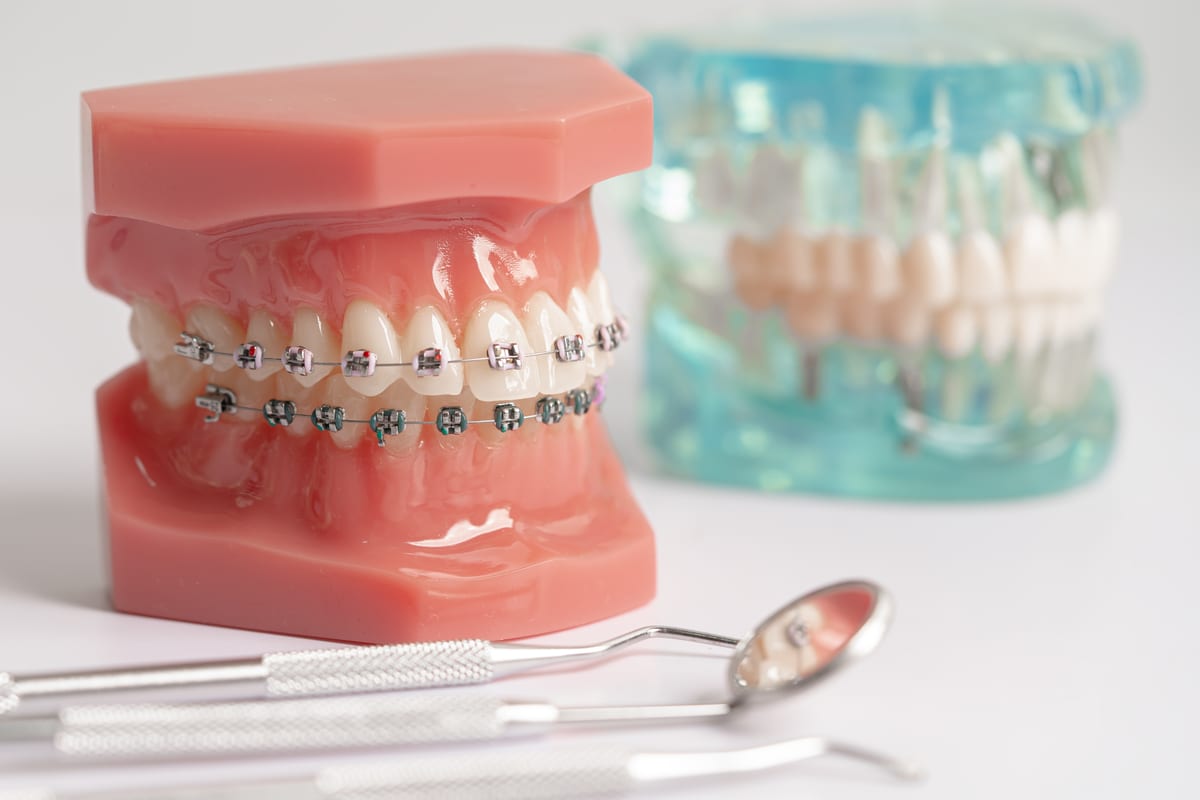
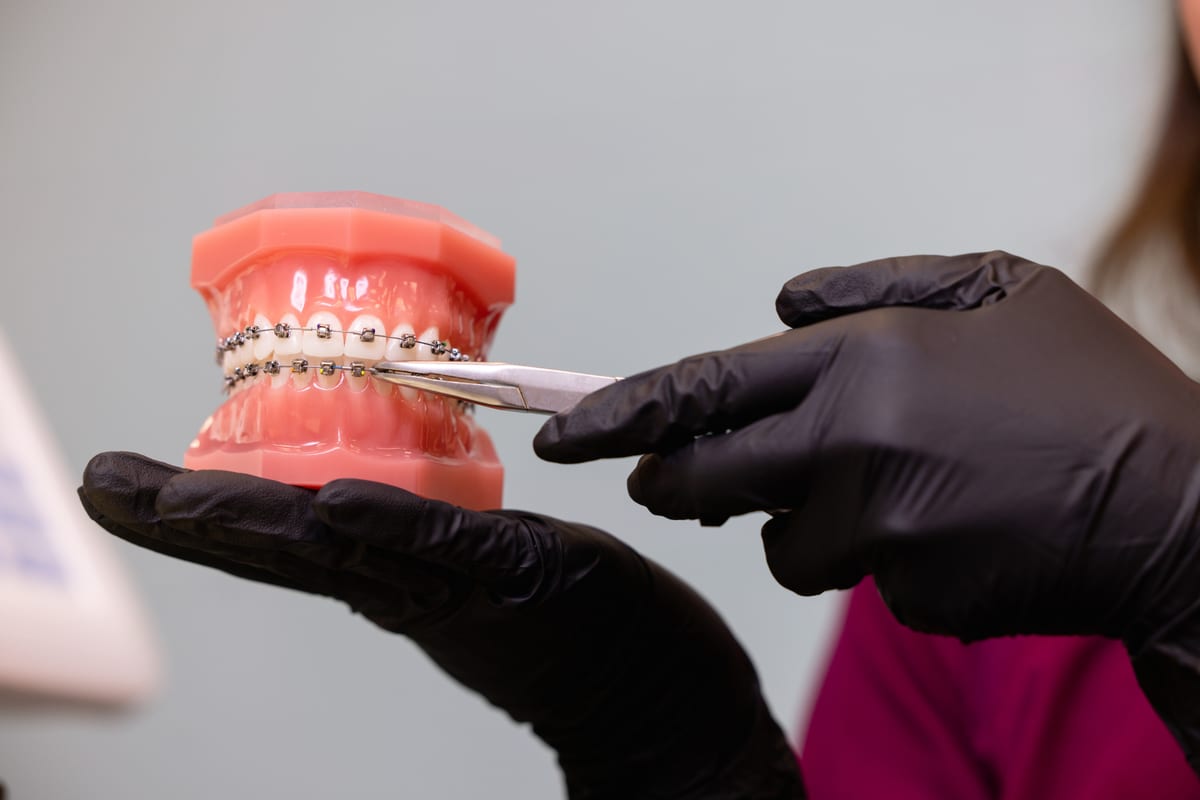
Various approaches exist for young smiles. Types of early orthodontic treatment for kids include palatal expanders and space maintainers. These devices hold spots for permanent teeth. Functional appliances guide jaw positioning. Partial braces fix specific alignments.
Choosing the right one depends on the child’s needs. An orthodontist evaluates bite and growth. Early options often last six to 18 months. Follow-up care maintains results. This proactive method aligns with natural development.
Potential Drawbacks to Consider
Early treatment has downsides, too. It might require two phases. This extends the overall time. Some children feel self-conscious about appliances. Compliance is key to success. Kids must follow instructions.
Not all issues need early fixes. Over-treatment can occur if problems resolve naturally. A wait-and-see approach suits mild cases. Discuss risks with a professional. They weigh pros against cons based on exams.
Evidence from sources like Smile in Harmony highlights the prevention of severe issues. Yet, individual results differ. Long-term studies show better skeletal stability with timely care.
Trending FAQs on Early Orthodontics
Many parents search for answers online. Here are common questions based on popular queries, with clear insights.
- What is the best age for a child to start orthodontic treatment? Around age seven, for an evaluation. This catches issues early while growth is active.
- What are the benefits of early orthodontic treatment? It guides jaw development, creates space for teeth, and prevents future problems like extractions.
- Is early orthodontic treatment necessary for every child? No, only if specific issues like crowding or bite problems are present. Many kids just need monitoring.
- Can early orthodontics prevent the need for braces later? Often yes, by reducing severity. However, some still require phase two for fine-tuning.
- What happens if you delay orthodontic treatment? Problems might worsen, leading to longer or more invasive care in the teen years.
These address frequent concerns, drawing from expert sources like the AAO.
Early orthodontics offers a promising path, but it’s no magic fix. Focus on your child’s unique needs. Consult professionals for tailored advice. A healthy smile starts with informed steps today.
If you are searching for an orthodontist near Wichita Falls and surrounding communities, reach out today. Call 940-432-5685 to schedule an appointment. Your family’s smiles deserve expert care.