June 18, 2023
Orthodontics
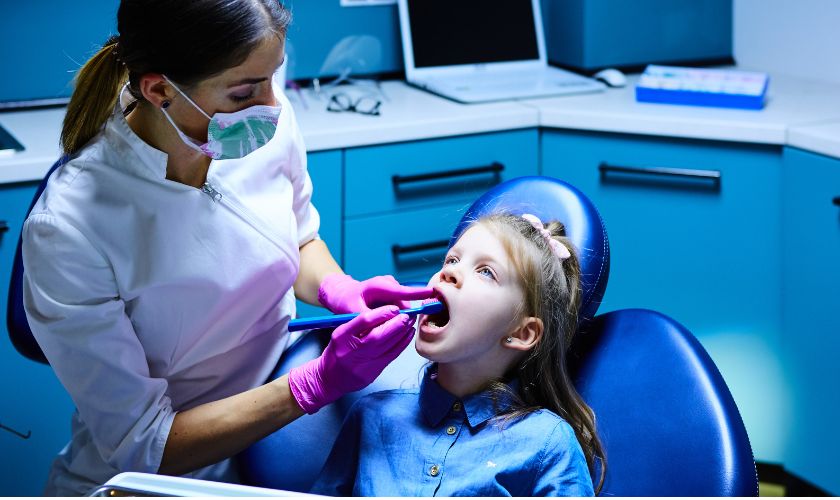
Where we embark on an exciting journey through the world of orthodontics! Whether you’re a parent concerned about your child’s smile, a teenager dreaming of straight teeth, or an adult finally ready to invest in yourself, this post is for you. Today, we dive into the thriving city of Wichita Falls and uncover the incredible orthodontic options available for individuals of all ages. So fasten your seatbelts as we explore how orthodontics can transform lives and bring smiles that radiate confidence at every stage of life!
What is orthodontics?
Orthodontics is a specialized dental procedure that helps correct tooth alignment. While orthodontic treatment can be beneficial for children and adults of all ages, it is especially important for kids and teens because their teeth are still developing. Treatment options vary based on the age of the child, but in general, there are three main types of orthodontic treatment: fixed braces, removable braces, and Invisalign.
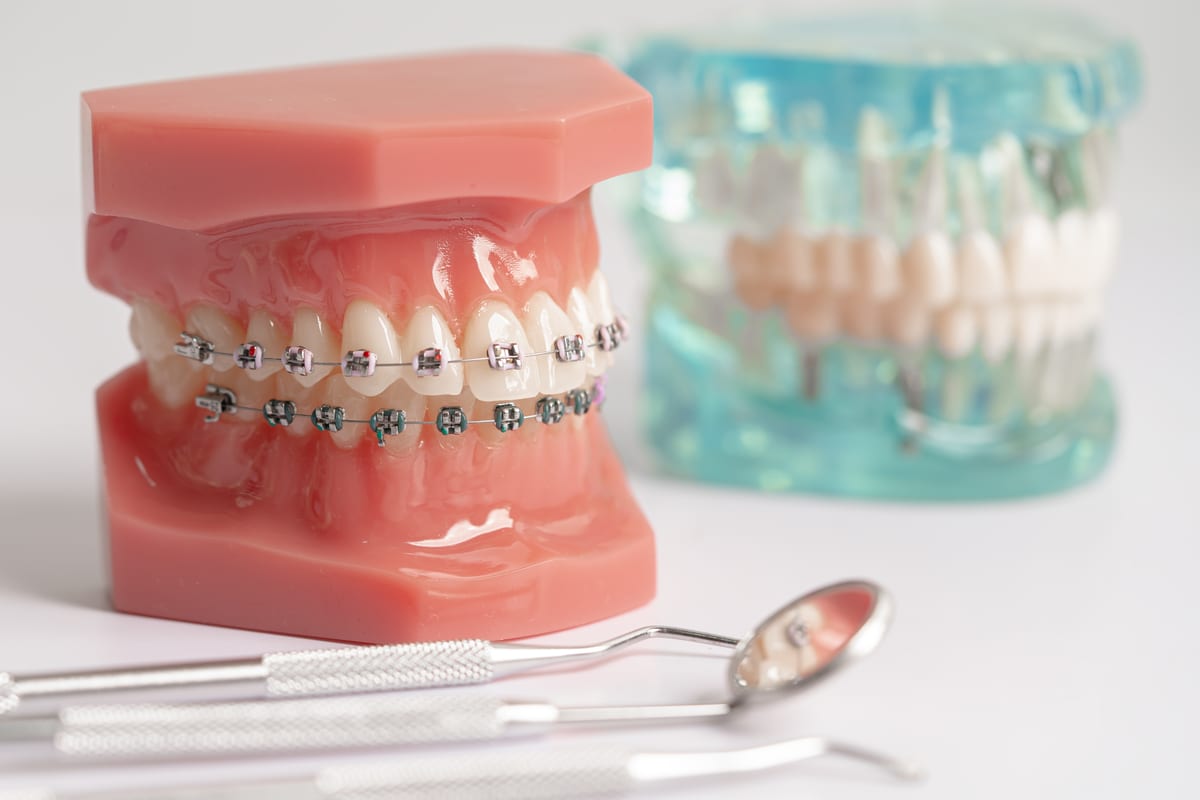
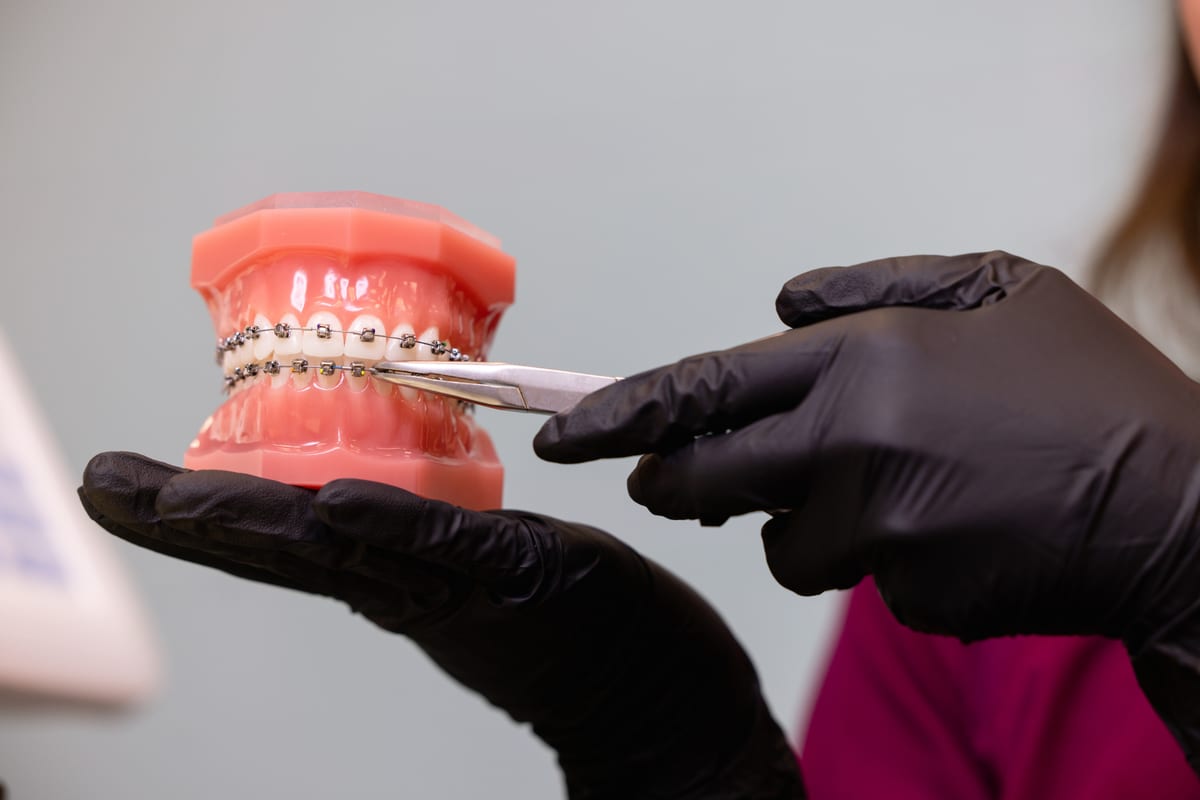
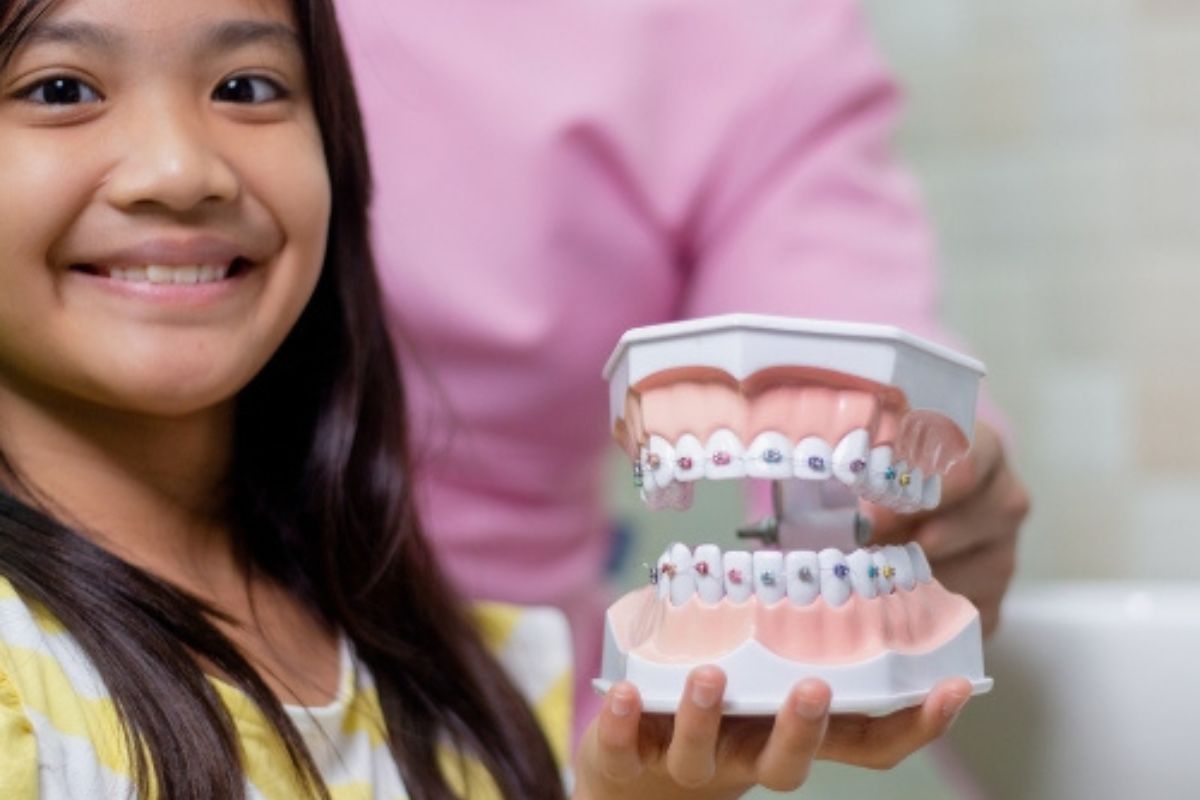
- Fixed braces are the most common type of orthodontic treatment. They consist of brackets that are fixed to the teeth behind the smile line. Children wear these braces for several months at a time while their dentist or orthodontist adjusts them as needed.
- Removable braces are a less common option that became popular in the 1990s. They consist of wire bands that attach to the front teeth and are movable around the smile area. Over time, these bands pull teeth into their desired position relative to one another and to the jawbone.
- Invisalign is a newer type of orthodontic treatment that uses clear plastic aligners instead of metal brackets or wires. The aligners are placed into the mouth for several weeks (or less if required) and then gently pulled apart as needed to move teeth into their desired position.
Types of orthodontics
Orthodontics is a dental specialty that focuses on the correction of teeth problems. There are two main types of orthodontics: orthognathic and maxillofacial. Orthognathic orthodontics is focused on the correction of jaw problems, while maxillofacial orthodontics is focused on correcting facial abnormalities.
Orthognathic orthodontists focus on fixing problems with the teeth, while maxillofacial orthodontists focus on fixing facial deformities. Both types of orthodontics can be used to correct a wide range of issues, from mild cases to more severe ones.
Some of the most common reasons people visit an orthodontist are:
- Correcting crooked or misshapen teeth
- Fixing bite problems
- Altering tooth alignment
- Reclaiming lost tooth space
What are the benefits of orthodontic treatments?
Orthodontics is a dental treatment that can help improve the appearance of your teeth. Orthodontic treatments can be used to correct problems with your bite, such as malocclusion (a problem where the teeth do not fit into their sockets correctly), or overcrowding of teeth. Orthodontic treatments can also help create a straighter smile and improve chewing and speaking abilities.
Many different types of orthodontic treatments may be right for you. If you are considering orthodontic treatment for yourself or your child, it is important to speak with a dentist about your options. Some common orthodontic treatments include:
Braces: Braces are the most common type of orthodontic treatment. They are custom-made to fit your teeth and may require several visits over months or years to complete.
Braces are the most common type of orthodontic treatment. They are custom-made to fit your teeth and may require several visits over months or years to complete.
Invisalign: Invisalign is a revolutionary new type of braces that uses clear plastic aligners to move your teeth instead of metal braces. The aligners are removable so that you can eat and drink without restrictions, and they stay in place by using magnets.
What are the risks of orthodontic treatments?
There are numerous risks associated with orthodontic treatments, but the most common is tooth movement and gum sensitivity. Tooth movement can occur when braces force teeth to move out of their natural position. This can lead to problems with chewing and speaking, as well as an increased risk for tooth decay. Gum sensitivity may also increase after treatment, especially if braces are tight or uncomfortable. In extreme cases, treatment may even cause TMJ (temporomandibular joint) pain or other dental problems.
It’s important to discuss any potential risks with your orthodontist before starting treatment. He or she will be able to help you navigate through the possible complications and ensure that you’re making the best decision for your case.
If you are looking for treatment for a child, you will need to explore more options. Many pediatric orthopedic surgeons offer limited or no-cost treatment for children who meet certain eligibility requirements. These requirements may include having healthy teeth and jaws, being over the age of six years old, and having no significant medical issues that can affect the treatment.
Orthodontics can be an effective treatment for kids and teens who have teeth that are out of alignment. Adults may also benefit from orthodontic treatments if their teeth are out of alignment, but they often require more intensive care than children or teenagers. If you’re considering orthodontics for your child or teen, it’s important to talk with a dentist about the best options for them. There are many different types of orthodontic treatments available, and it’s important to find one that will work best for your family.