March 26, 2025
Dental Sealants
Maintaining good oral hygiene is essential for preventing cavities and gum disease, but even with regular brushing and flossing, some areas of the mouth remain vulnerable to plaque buildup. Dental sealants provide an extra layer of protection, particularly for the deep grooves and crevices in molars. In this blog, we will explore how dental sealants work, their benefits, and why they are a valuable preventive measure for both children and adults.
What Are Dental Sealants?
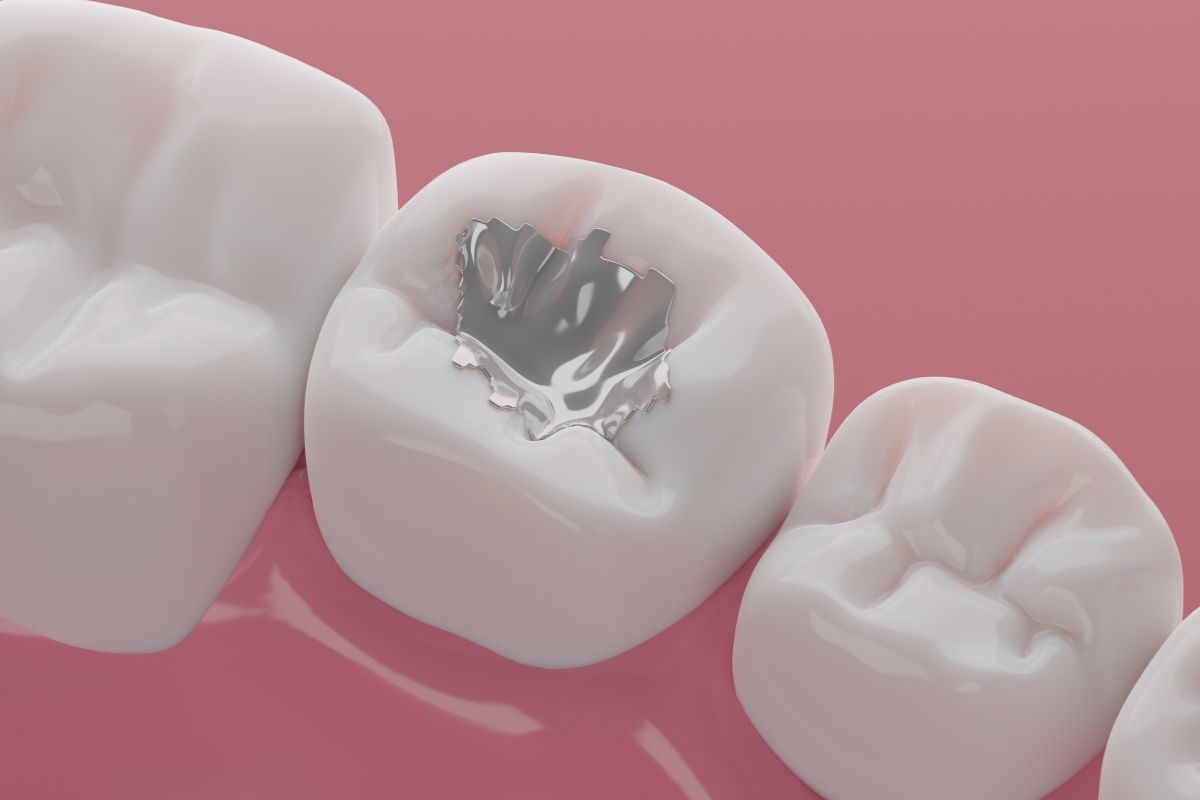
Dental sealants are thin, protective coatings made of plastic or resin that are applied to the chewing surfaces of the back teeth (molars and premolars). These teeth have deep grooves and fissures where food particles and bacteria can accumulate, making them more susceptible to cavities. Sealants act as a barrier, preventing plaque and bacteria from settling in these hard-to-clean areas.
How Do Dental Sealants Work?
The process of applying dental sealants is quick, painless, and non-invasive. Here’s how it works:
- Cleaning the Tooth Surface: The dentist thoroughly cleans the tooth to remove any plaque or debris.
- Etching the Surface: A mild acidic solution is applied to roughen the tooth surface, helping the sealant adhere better.
- Applying the Sealant: The liquid sealant is painted onto the tooth, filling the grooves and fissures.
- Curing the Sealant: A special curing light is used to harden the sealant, creating a durable protective shield.
Once applied, the sealant forms a smooth surface that prevents food and bacteria from getting trapped in the natural pits of the molars.
Benefits of Dental Sealants
1. Prevents Cavities
Sealants significantly reduce the risk of cavities by blocking out plaque and bacteria. Studies show that sealants can lower the risk of decay in molars by up to 80%.
2. Reduces Plaque Buildup
Because sealants create a smooth surface, they make it harder for plaque to accumulate in deep grooves, making oral hygiene easier and more effective.
3. Cost-Effective Preventive Care
Treating cavities can be costly, especially if they require fillings, crowns, or root canals. Sealants are a one-time, affordable solution that helps prevent the need for expensive dental procedures.
4. Quick and Painless Application
Unlike fillings or other restorative treatments, applying sealants does not require drilling or anesthesia. The process is simple, making it an ideal option for children and those with dental anxiety.
5. Long-Lasting Protection
Sealants can last for several years with proper care. Regular dental check-ups help ensure they remain intact and effective.
Who Should Get Dental Sealants?
- Children and Teenagers: Sealants are commonly recommended for children and teens as soon as their permanent molars erupt, usually around ages 6 and 12.
- Adults with Deep Grooves: While sealants are often associated with pediatric dentistry, adults who have deep grooves in their molars can also benefit.
- Patients at High Risk for Cavities: Those with a history of frequent cavities may be good candidates for sealants to help prevent further decay.
Caring for Teeth with Sealants
To ensure sealants remain effective, follow these simple care tips:
- Continue brushing twice a day with fluoride toothpaste and flossing daily.
- Avoid chewing on hard objects like ice or hard candy, which can wear down the sealant.
- Schedule regular dental check-ups to monitor the condition of the sealants and reapply them if needed.
Dental sealants are a simple yet powerful way to protect teeth from cavities and plaque buildup. By sealing the deep grooves in molars, they provide long-lasting defense against decay, making them an excellent investment in oral health. Whether for children, teens, or adults, sealants offer a quick, painless, and cost-effective solution for keeping teeth clean and cavity-free.