August 20, 2025
Dental Sealants
Imagine flashing a confident smile without worrying about hidden decay sneaking in. That’s the magic of preventive dental care. Many folks overlook simple steps that can keep teeth strong for years. In this post, we’ll dive into how sealants play a key role in blocking cavities and decay. You’ll learn the science behind them, why they’re a smart choice, and tips to make the most of this easy treatment. Stick around—your smile might thank you.
What Are Dental Sealants?
Dental sealants are thin, protective layers applied to teeth. They act like a shield against everyday threats. Made from plastic or similar materials, these coatings bond to tooth surfaces. Dentists often recommend them for molars and premolars. These back teeth have deep grooves where food and bacteria love to hide.
Sealants started gaining popularity decades ago. They’re now a staple in preventive dentistry. The idea is simple: cover vulnerable spots before problems start. This approach saves time and hassle down the road. Parents and adults alike find them useful for maintaining oral health.
How Do Sealants Work to Prevent Cavities?
Sealants create a smooth barrier over tooth enamel. Grooves on molars trap particles, leading to acid buildup from bacteria. This acid erodes enamel, causing cavities. By filling these pits, sealants stop food and germs from settling in.
The process involves painting the sealant on clean, dry teeth. It hardens quickly, often with a special light. Once set, it withstands daily chewing. Bacteria can’t penetrate this layer, reducing decay risk. Studies show this method cuts cavity formation in treated teeth.
In places like Texas, where active lifestyles mean more snacking, sealants offer extra defense. They’re especially handy for those with busy routines. Regular checkups ensure they stay intact.
Many families turn to dental sealants in Wichita Falls, TX, at Spearmint Kids Dental & Orthodontics, for reliable tooth protection. This local option helps guard against common issues like plaque buildup.
Benefits for Children and Adults
Kids benefit most from sealants since their molars erupt around age six. These new teeth are prone to decay without protection. Sealants can last up to ten years with good care. They promote healthy habits early on.
Adults aren’t left out. If grooves remain unsealed, decay can still strike. Sealants work for anyone with deep fissures. They complement brushing and flossing. This combo keeps smiles bright and healthy.
Visiting a kids’ dentist in Wichita Falls, TX, ensures tailored advice for young ones. Experts there focus on gentle, effective care.
The Application Process
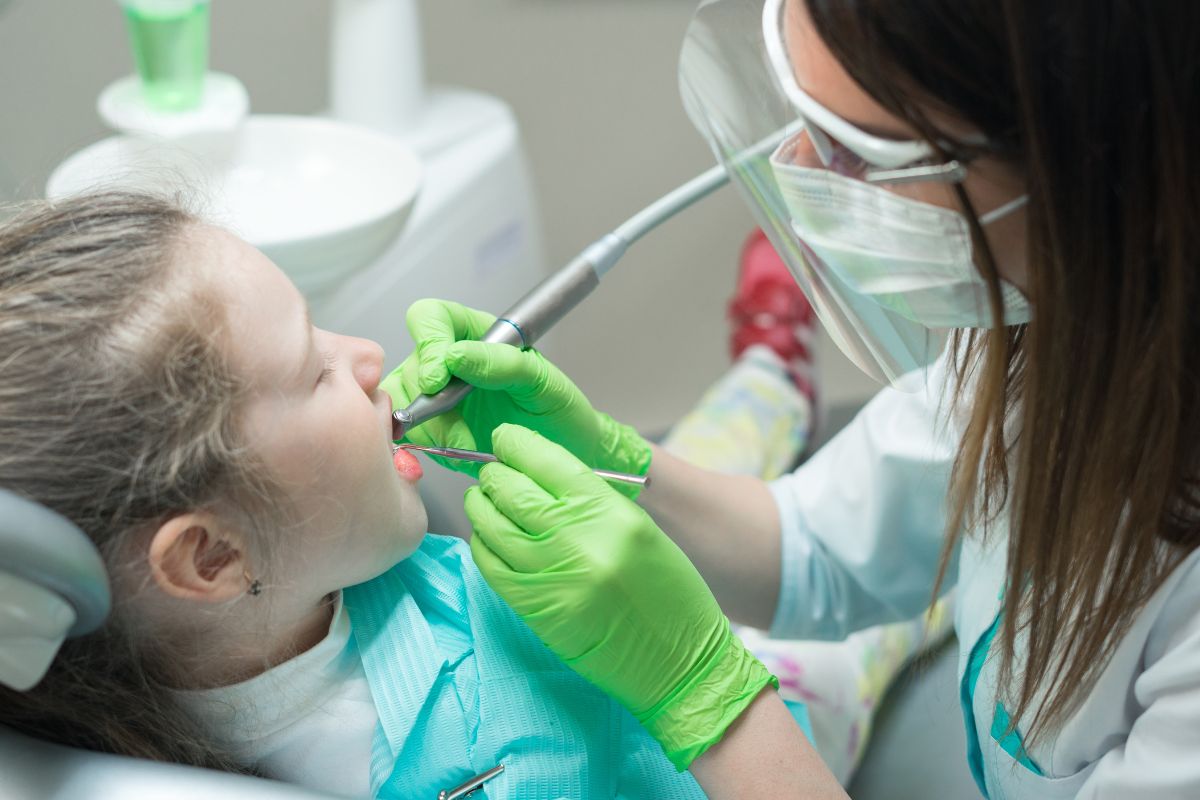
Getting sealants is quick and painless. First, teeth get cleaned thoroughly. An acidic gel preps the surface for bonding. After rinsing, the sealant flows into grooves.
A curing light sets it in seconds. No drilling or numbing needed. The whole visit takes about 30 minutes. Patients leave with immediate protection.
Follow-up checks monitor wear. Reapplication might happen if needed. This straightforward step fits into routine visits.
Trending FAQs on Dental Sealants
People often search for answers on sealants. Here are some top questions from common online queries, with clear responses:
- What are dental sealants?
They’re thin coatings painted on back teeth to block cavities by sealing grooves. - Who should get dental sealants?
Children and teens benefit most, but adults with deep tooth pits can too. - How long do dental sealants last?
They typically endure 5 to 10 years, depending on oral habits and checkups. - Can sealants be placed over cavities?
No, they prevent new ones; existing decay needs treatment first. - Are dental sealants safe?
Yes, they’re made from biocompatible materials and backed by health organizations. - Do sealants replace brushing?
Not at all—they enhance daily routines like brushing and flossing.
These address key concerns and help folks decide.
Statistics on Sealant Effectiveness
Data highlights sealants’ impact. Here’s a table with key stats from reliable sources:
| Statistic | Detail | Source |
|---|---|---|
| Cavity Prevention Rate | Sealants prevent 80% of cavities in molars for many years. | CDC |
| Retention After 5 Years | Up to 61% preventive fraction for resin sealants. | Frontiers |
| Caries Reduction in Treated Kids | Children with sealants have 21.3% caries vs. 64.2% without. | PMC Study |
| Usage in Youth | 37% of 3-19 year-olds have sealants on molars. | Healthy People 2030 |
| Risk Reduction | Kids with sealants are 3 times less likely to get cavities. | Urbach Pediatric |
These numbers show sealants’ proven track record.
Maintenance and Long-Term Care
To maximize benefits, pair sealants with solid habits. Brush twice daily with fluoride toothpaste. Floss to clear between teeth. Limit sugary snacks.
Regular dental visits catch issues early. Dentists can touch up sealants if they chip. This keeps protection strong.
In active communities, like those in North Texas, staying proactive pays off. It leads to fewer surprises and healthier teeth.
Sealants fit into broader preventive strategies. They work alongside fluoride treatments and cleanings. Together, they build a robust defense against decay.
Thinking about sealants? They’re a small step with big rewards. Your teeth face daily battles against bacteria and acids. Sealants tip the scales in your favor. Ready to protect your smile? Give us a call at 940-432-5685 to schedule an appointment. We’re here to help you shine.