May 13, 2026
Orthodontics
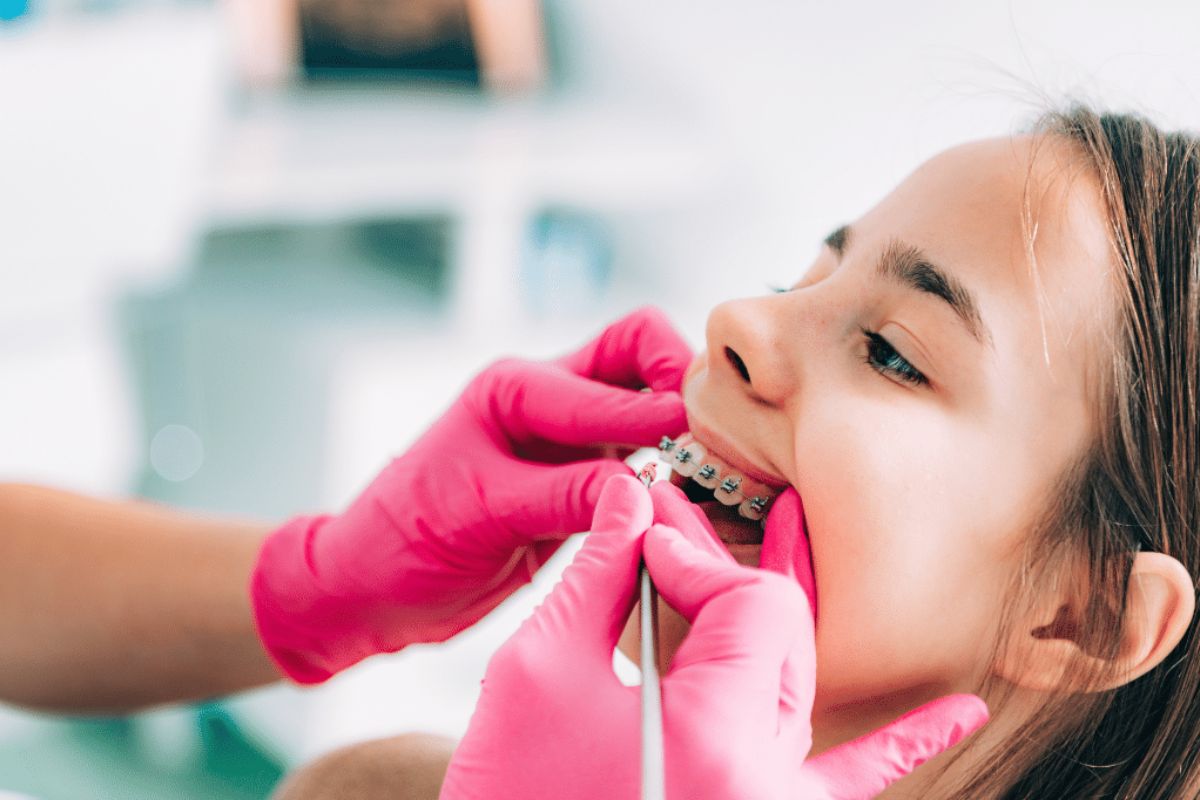
Parents often notice small changes in their child’s smile long before major concerns appear. Teeth may look crowded, bites may seem uneven, or the jaw may not develop as expected. These early signs can feel easy to overlook. However, paying attention at the right time can make a significant difference in a child’s future oral health.
Many parents assume braces or orthodontic care only become important during the teenage years. In reality, monitoring dental development at a younger age may help prevent more complicated concerns later. Early intervention is often less about straightening teeth immediately and more about guiding healthy growth while a child’s jaw is still developing.
Why Do Dentists Recommend Evaluating Orthodontic Concerns Early?
Children’s mouths continue growing and changing rapidly. The position of baby teeth and the way adult teeth begin emerging can reveal potential issues early.
Dentists may identify concerns such as:
- Crowded teeth
- Crossbites
- Overbites
- Underbites
- Jaw growth irregularities
- Difficulty chewing or speaking
When these conditions are addressed during growth stages, dentists can often guide development naturally instead of waiting until problems become more severe.
Can Early Treatment Reduce the Need for Jaw Surgery Later?
Yes, in many situations it can.
When jaw alignment problems remain untreated during childhood, they can gradually become more pronounced as children grow. Once facial development is complete, correcting severe jaw discrepancies may become more difficult and sometimes require surgical intervention.
Early care focuses on guiding growth while the bones remain adaptable.
How Growth Guidance Can Help
Instead of correcting established problems later, early treatment may:
- Encourage proper jaw development
- Create space for incoming permanent teeth
- Improve bite function
- Reduce abnormal tooth wear
- Support balanced facial growth
This proactive approach often helps children avoid larger complications in adolescence.
What Signs Should Parents Watch For?
Many parents wonder whether a child is developing normally. Some signs may suggest a closer evaluation is helpful.
Common indicators include:
- Mouth breathing
- Thumb-sucking that continues for a long period
- Early or delayed loss of baby teeth
- Difficulty biting into foods
- Teeth that appear crowded
- Jaws that shift when opening or closing
Around the middle stages of growth, children receiving orthodontic treatment in Wichita Falls may benefit from monitoring that focuses on developmental patterns rather than waiting for visible concerns to become severe.
How Does Early Care Help Children Beyond Appearance?
Many people think orthodontic care is only about achieving straighter teeth. There are important functional benefits as well.
Healthy alignment can support:
| Benefit | Why It Matters |
|---|---|
| Improved chewing | Helps children eat comfortably |
| Better speech development | Supports clearer pronunciation |
| Balanced jaw growth | Reduces strain on jaw structures |
| Easier oral hygiene | Helps children clean teeth effectively |
| Reduced tooth wear | Protects enamel from uneven pressure |
Children often gain confidence, too. A healthy smile can positively affect social interactions and self-esteem during important developmental years.
Is There an Ideal Age for an Orthodontic Evaluation?
Parents frequently ask whether they should wait until all permanent teeth appear.
Many dental professionals suggest an orthodontic evaluation around age seven because developing patterns can become easier to identify during this stage.
Dr. James Garrett and our orthodontists understand that every child develops differently. Early evaluations do not automatically mean treatment begins right away. Sometimes the goal is simply monitoring growth and recognizing potential concerns before they become more complex.
A trusted pediatric dental professional can explain findings clearly and help parents understand the next steps.
Later in the process, families often look for guidance from a pediatric dental team rather than waiting until concerns progress. Someone looking for a local orthodontic specialist nearby may appreciate having support throughout a child’s growth journey.
Trending FAQs
- At what age should my child see an orthodontist?
Most children benefit from an evaluation around age seven. - Can early orthodontic treatment prevent surgery?
Early intervention may help guide jaw development and reduce severe future complications. - Do baby teeth affect future alignment?
Yes. Baby teeth help maintain proper spacing for adult teeth. - What causes crowded teeth in children?
Genetics, jaw size, prolonged thumb sucking, and developmental factors can contribute. - Can bite problems get worse over time?
Yes. Some bite concerns may become more noticeable as children grow.
A healthy smile develops over time, and small concerns noticed early can lead to meaningful benefits later. Supporting jaw growth and dental development during childhood may reduce future complications and create a stronger foundation for lifelong oral health. If you are searching for an kids orthodontist near Wichita Falls, speaking with a pediatric dental team can help you understand your child’s needs and available options. Families seeking a trusted orthodontic expert close to home often find that early guidance brings clarity and confidence for the future.