June 18, 2025
Orthodontics
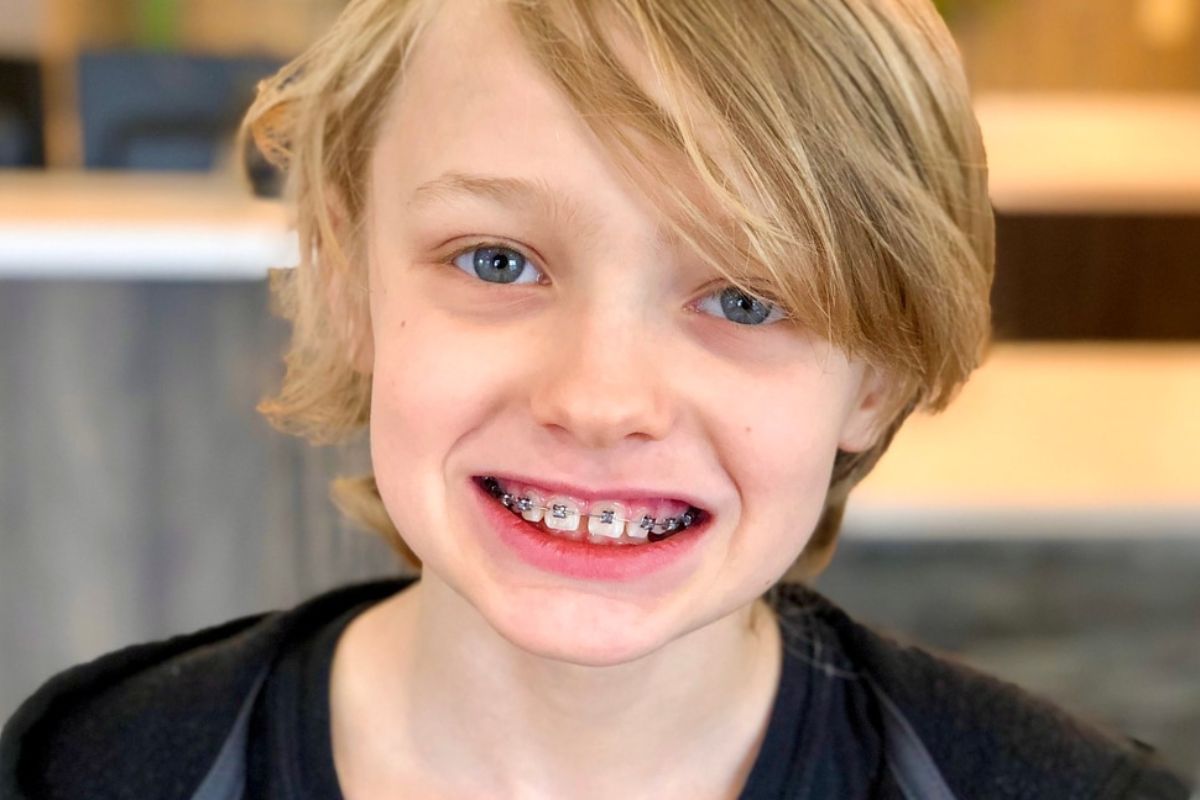
Getting braces is an exciting step toward a straighter, healthier smile for kids. However, the adjustment period can bring discomfort, especially with sores and irritation caused by the brackets and wires. As a parent, you want to ease your child’s experience and keep their orthodontic journey smooth. This blog will guide you through practical tips to prevent braces sores, soothe irritation, and support your child’s dental health. Let’s dive into actionable advice that can make a big difference.
Understanding Braces Sores and Irritation
Braces sores occur when the metal or ceramic parts rub against the soft tissues inside the mouth. This friction can irritate the cheeks, lips, tongue, and gums. Kids often feel this discomfort most in the first few weeks as their mouth adjusts. Common causes include new wire placements, loose brackets, or sharp edges. Orthodontic appliances, like braces, are designed to move teeth gradually, but this process can lead to minor injuries if not managed well. Recognizing the signs—redness, swelling, or small ulcers—helps you act quickly to protect your child’s comfort.
Why Prevention Matters for Kids with Braces
Preventing sores isn’t just about comfort; it supports the entire orthodontic process. Constant irritation can make kids reluctant to eat or speak, affecting their confidence. It might also lead to avoiding proper oral hygiene, which can cause plaque buildup or gum issues. By taking proactive steps, you help your child stay on track with their treatment. A little effort now can prevent bigger problems later, ensuring their smile develops as planned.
Practical Tips to Prevent Braces Sores
Here are some effective strategies to minimize irritation:
Use Orthodontic Wax
- Apply a small amount of orthodontic wax over sharp edges or loose wires.
- Teach your child to reapply it after eating or brushing.
- This creates a barrier, reducing friction against soft tissues.
Choose the Right Foods
- Opt for soft foods like yogurt, mashed potatoes, or bananas.
- Avoid hard, sticky, or crunchy items like popcorn or gum.
- Cutting food into small pieces makes chewing easier and safer.
Maintain Excellent Oral Hygiene
- Brush gently after meals to remove food particles.
- Use a soft-bristled toothbrush and fluoride toothpaste.
- Floss daily with orthodontic flossers to keep your gums healthy.
Encourage Rinsing with Saltwater
- Mix a teaspoon of salt in warm water.
- Have your child rinse their mouth for 30 seconds, 2-3 times a day.
- This reduces inflammation and promotes healing naturally.
Wear a Mouthguard for Sports
- Use a custom-fitted mouthguard during physical activities.
- It protects braces and prevents additional irritation.
- Check with your orthodontist for the best fit.
Soothing Irritation When It Happens
Despite prevention, sores might still occur. Here’s how to ease the discomfort:
- Cold Relief: Offer cold drinks or ice chips to numb the area.
- Pain Relief: Use over-the-counter oral gels recommended by your orthodontist.
- Rest the Mouth: Encourage soft foods and avoid talking too much for a day.
If irritation persists or worsens, contact your orthodontist promptly. They can adjust wires or apply dental wax during a visit.
Special Care for Active Kids
Active kids may face extra challenges with braces. Sports or rough play can loosen brackets or wires, increasing the risk of irritation. Ensure they wear protective gear and teach them to report any discomfort immediately. Regular checkups with an orthodontist help catch issues early, keeping treatment on course. For families in Wichita Falls, TX, seeking expert care, local orthodontic treatment in Wichita Falls, TX, offers specialized support for active children. Staying consistent with care routines also boosts their confidence during playtime.
Trending FAQs on Preventing Braces Sores
Parents often have questions about managing braces discomfort. Here are some trending FAQs based on common searches:
- How long do braces sores last? Sores typically heal in 5-7 days with proper care.
- What can I do if my child’s braces hurt? Apply wax, rinse with saltwater, and use cold relief to ease pain.
- Can braces cause mouth ulcers? Yes, friction can lead to ulcers, but prevention methods help avoid them.
- How often should I check my child’s braces? Inspect them daily and visit the orthodontist every 4-6 weeks.
- Are braces sores normal? Yes, they’re common initially but should decrease over time with care.
These answers address common concerns, empowering you with knowledge to support your child.
When to Seek Professional Help
Some signs require immediate attention from an orthodontist:
- Severe pain that doesn’t improve after a few days.
- Broken brackets or protruding wires.
- Signs of infection, like pus or fever.
A quick visit can prevent complications. For those searching for an “orthodontist near me“, consider reaching out to a local expert who understands your child’s needs. They can provide adjustments or emergency care to keep treatment on track.
Long-Term Benefits of Proactive Care
Preventing sores builds good habits that benefit your child beyond braces. Regular oral care strengthens teeth and gums, reducing future dental issues. It also fosters resilience, teaching kids to manage discomfort responsibly. With your support, they’ll emerge with a beautiful smile and healthy oral habits for life.
Braces can transform your child’s smile, but sores and irritation don’t have to slow them down. With the right tools, habits, and support, you can minimize discomfort and keep their orthodontic journey positive. Empower yourself with these tips and stay connected with dental professionals to ensure the best outcome. Your efforts today will pave the way for a confident, healthy smile tomorrow.