January 5, 2024
Orthodontics

Orthodontic treatment has witnessed remarkable advancements in recent years, with self-ligating braces emerging as a revolutionary option for individuals seeking straighter smiles. In this blog, we will explore the role of self-ligating braces in orthodontic treatment, shedding light on their benefits, functionality, and why they have become a preferred choice for both orthodontists and patients alike.
Understanding Self-Ligating Braces:
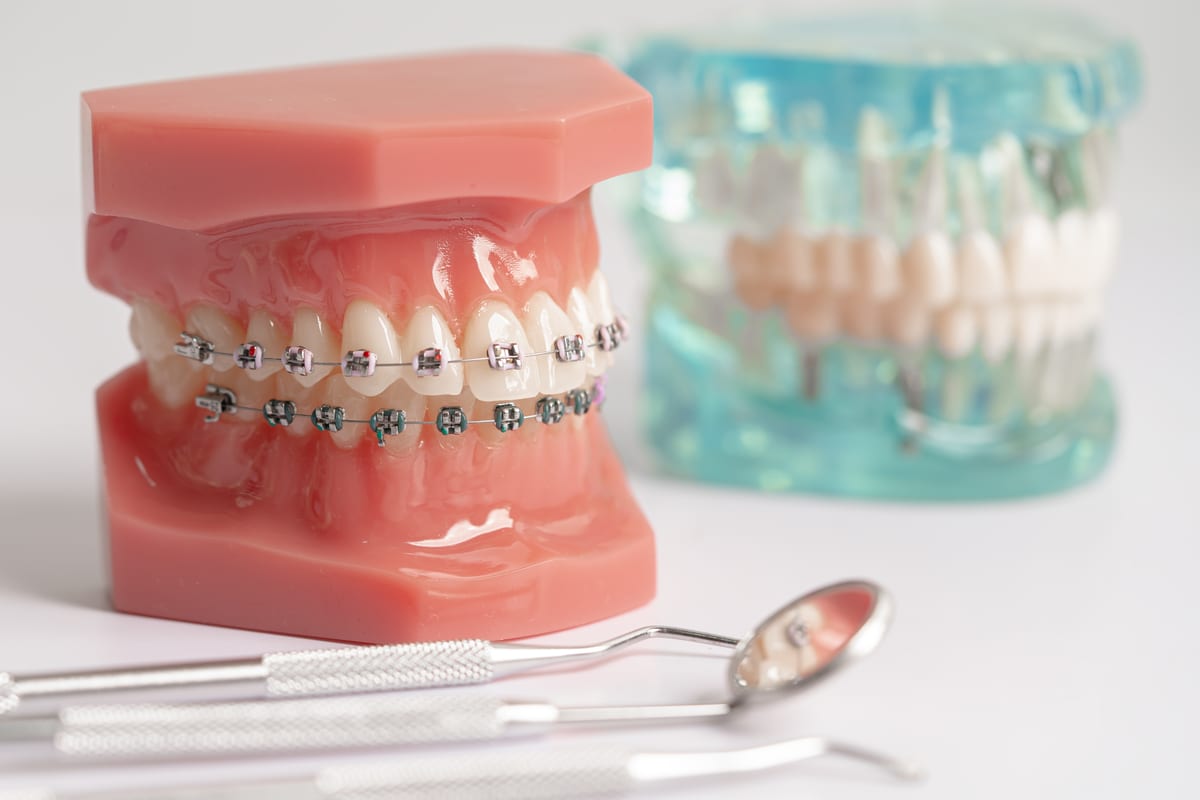
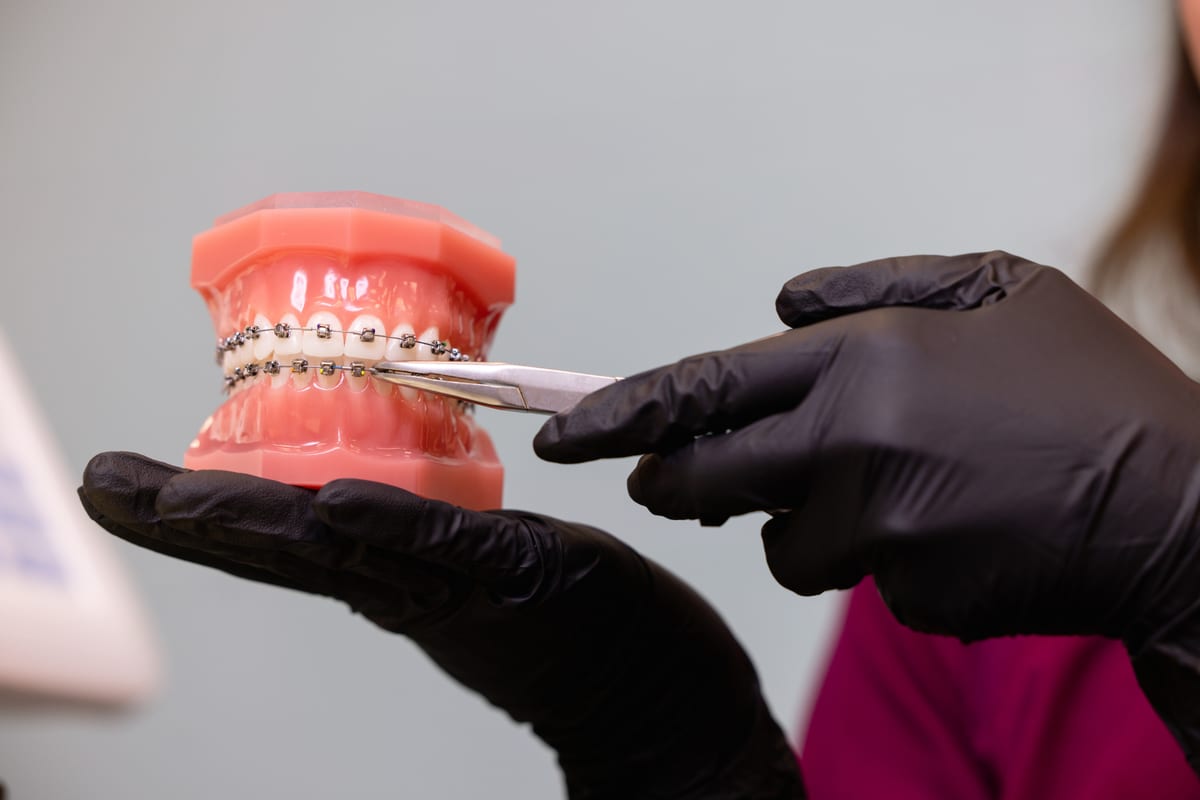
Traditional braces rely on elastic bands, known as ligatures, to hold the archwire in place. In contrast, self-ligating braces utilize a specialized mechanism that eliminates the need for these bands. Instead, the brackets themselves have a built-in door or clip system to secure the archwire.
Benefits of Self-Ligating Braces:
Reduced Friction:
The absence of ligatures reduces friction between the brackets and the archwire. This allows for smoother tooth movement, resulting in a potentially quicker and more comfortable orthodontic treatment.
Easier oral hygiene:
With no ligatures to trap food particles, maintaining good oral hygiene becomes more straightforward. Patients with self-ligating braces often find it easier to brush and floss effectively, reducing the risk of cavities and gum issues.
Decreased Discomfort:
The lower friction and more controlled tooth movement associated with self-ligating braces can contribute to reduced discomfort during treatment. This makes the overall orthodontic experience more comfortable for patients.
Shorter Adjustment Appointments:
Self-ligating braces may require shorter adjustment appointments compared to traditional braces. The absence of ligatures simplifies the adjustment process, providing a more efficient and streamlined experience for both orthodontists and patients.
Minimal Need for Extractions:
In some cases, self-ligating braces can contribute to a broader arch form and reduced crowding. This may lead to a decreased likelihood of needing tooth extractions as part of the orthodontic treatment plan.
Improved Aesthetics:
Self-ligating braces often have a more streamlined and aesthetically pleasing appearance compared to traditional braces with ligatures. This can be particularly appealing to individuals who are conscious of the visual aspect of orthodontic treatment.
How Self-Ligating Braces Work:
Self-ligating braces employ a sliding door or clip mechanism to hold the archwire in place. This allows for controlled and gradual tooth movement. The design minimizes friction between the archwire and brackets, facilitating more efficient tooth alignment.
Are Self-Ligating Braces Right for Everyone?
While self-ligating braces offer numerous advantages, they may not be suitable for every orthodontic case. Their effectiveness depends on the specific needs and conditions of the patient. Orthodontists will assess factors such as the degree of misalignment, bite issues, and individual preferences before recommending the most appropriate treatment option.
Self-ligating braces represent a remarkable innovation in orthodontic treatment, providing a range of benefits that contribute to a more comfortable and efficient experience for both patients and orthodontists. If you are considering orthodontic treatment, discussing the option of self-ligating braces with your orthodontist can help you make an informed decision based on your unique needs and treatment goals. Embrace the transformative technology that self-ligating braces bring to the world of orthodontics, paving the way for a straighter and more confident smile.