March 7, 2024
Orthodontics

Invisalign has revolutionized orthodontic treatment by offering a discreet and comfortable alternative to traditional braces. Before embarking on your Invisalign journey, it’s essential to understand what to expect and how to make the most of your treatment. In this blog post, we’ll explore the top things you should know before starting Invisalign treatment to ensure a smooth and successful experience.
1. Consultation with an Invisalign Provider
The first step in starting Invisalign treatment is scheduling a consultation with an Invisalign provider. During this appointment, your dentist or orthodontist will evaluate your oral health, discuss your treatment goals, and determine if Invisalign is the right option for you. They will also take impressions, photographs, and X-rays of your teeth to create a customized treatment plan.
2. Customized Treatment Plan
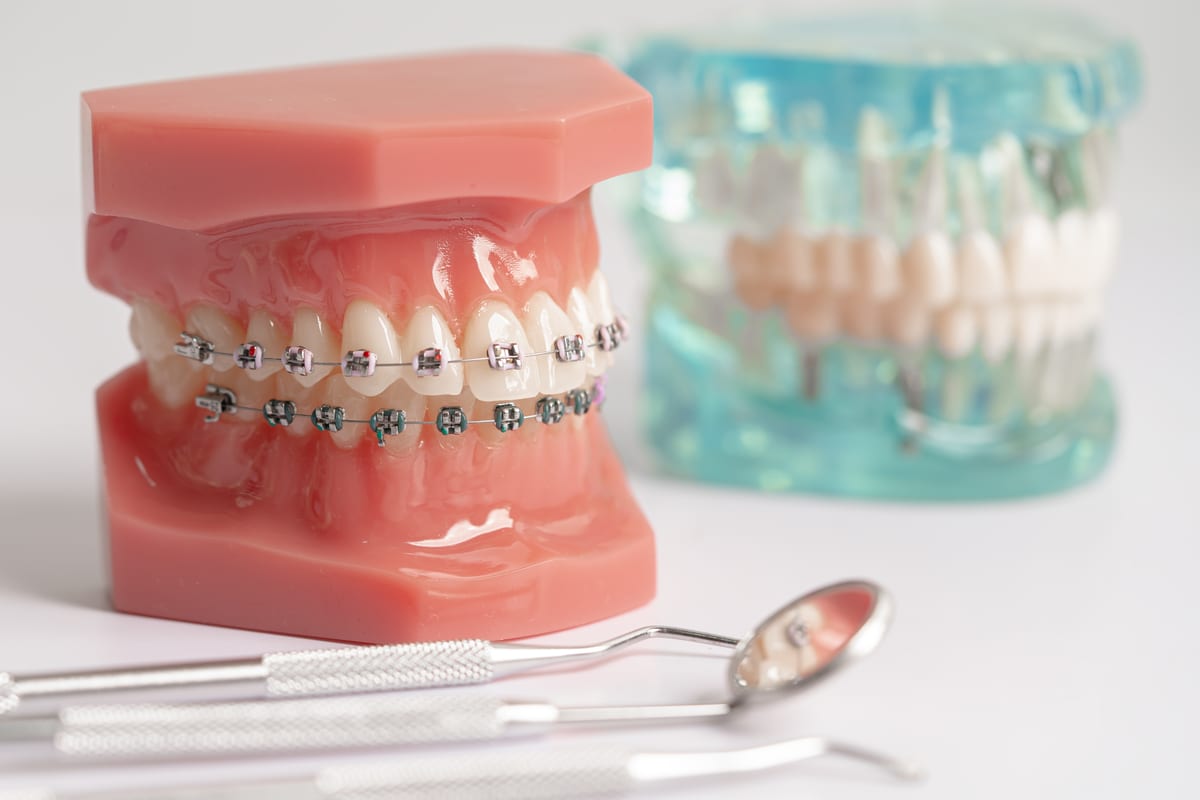
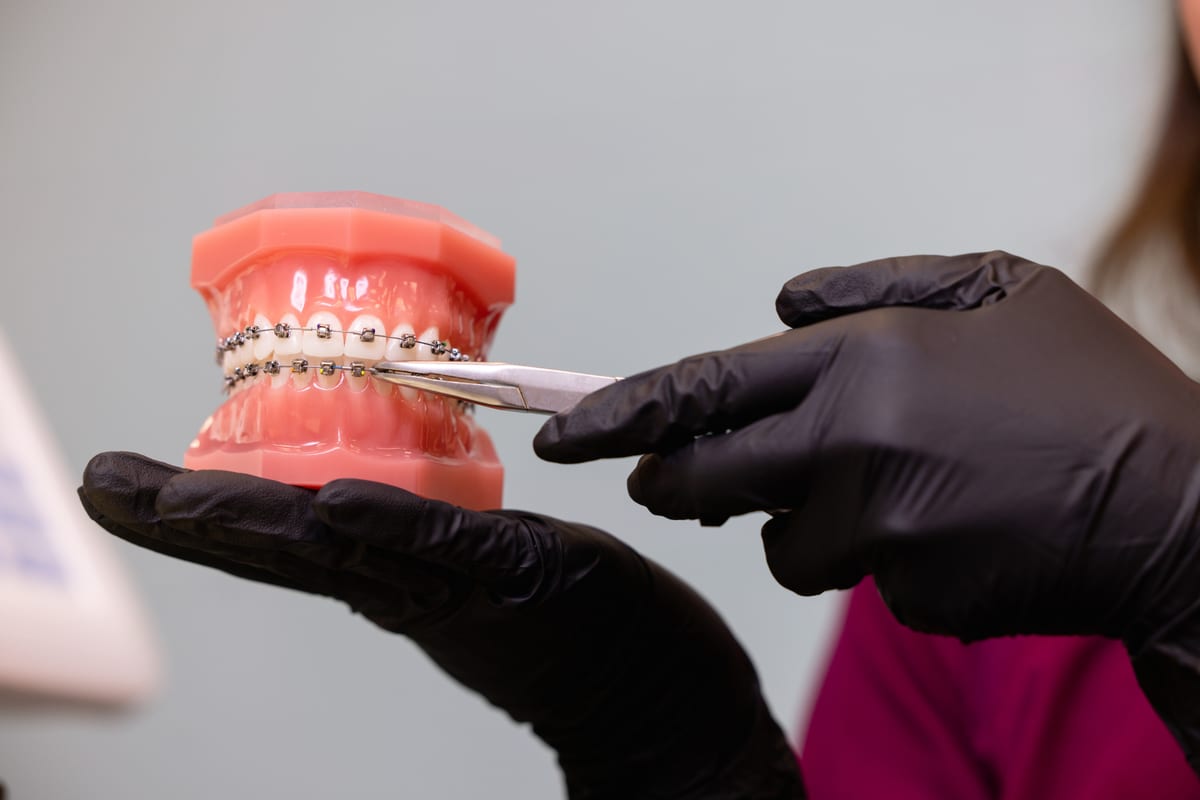
Unlike traditional braces, which use brackets and wires to move teeth, Invisalign utilizes a series of clear aligners to gradually shift your teeth into the desired position. Your treatment plan will be tailored to your unique needs and goals, with each set of aligners designed to make incremental adjustments to your teeth.
3. Compliance is Key
Success with Invisalign hinges on wearing your aligners as prescribed by your dentist or orthodontist. You’ll need to wear your aligners for at least 20 to 22 hours per day, removing them only for eating, drinking (except for water), brushing, and flossing. Consistency and compliance are essential for achieving optimal results with Invisalign.
4. Adjusting to Aligners
It’s normal to experience some discomfort or pressure when wearing new aligners, especially during the first few days of each tray. This sensation is a sign that the aligners are working to move your teeth. Over time, your mouth will adjust to the aligners, and any discomfort should subside as your teeth gradually shift into place.
5. Oral Hygiene is Vital
Maintaining good oral hygiene is crucial throughout your Invisalign treatment. Be sure to brush your teeth after every meal and snack before reinserting your aligners to prevent food particles and bacteria from becoming trapped against your teeth. Flossing daily is also essential to remove plaque and debris from between your teeth and under the gumline.
6. Follow-Up Appointments
Throughout your Invisalign treatment, you’ll have periodic follow-up appointments with your dentist or orthodontist to monitor your progress and ensure that your treatment is on track. These appointments may involve checking the fit of your aligners, making any necessary adjustments to your treatment plan, and providing guidance on proper care and maintenance.
7. Lifestyle Adjustments
While Invisalign offers more flexibility than traditional braces, there are still some lifestyle adjustments to consider during treatment. You’ll need to remove your aligners before eating or drinking anything other than water to prevent damage or staining. Additionally, you should avoid smoking or chewing gum while wearing your aligners.
8. Treatment Duration
The duration of your Invisalign treatment will vary depending on the complexity of your case and your treatment goals. On average, treatment with Invisalign typically lasts between 12 to 18 months, although some cases may be shorter or longer. Your dentist or orthodontist will provide you with an estimated timeline for your treatment based on your individual needs.
9. Maintenance After Treatment
Once your Invisalign treatment is complete and your teeth have been straightened to your satisfaction, you’ll need to wear retainers to maintain your results. Retainers help prevent your teeth from shifting back into their original positions over time. Your dentist or orthodontist will provide guidance on how often to wear your retainers and how to care for them properly.
10. Cost and Insurance Coverage
Before starting Invisalign treatment, it’s essential to consider the cost and whether your dental insurance plan provides coverage for orthodontic treatment. Invisalign may be more expensive than traditional braces, but many dental insurance plans offer some level of coverage for orthodontic treatment. Be sure to check with your insurance provider to understand your coverage options and any out-of-pocket expenses you may incur.
Conclusion
Starting Invisalign treatment is an exciting step towards achieving a straighter, healthier smile. By understanding what to expect and following these top tips, you can maximize the benefits of your Invisalign treatment and enjoy a successful outcome. If you’re considering Invisalign or have any questions about orthodontic treatment, don’t hesitate to schedule a consultation with an Invisalign provider to discuss your options and get started on your journey to a beautiful smile.