November 19, 2025
Braces
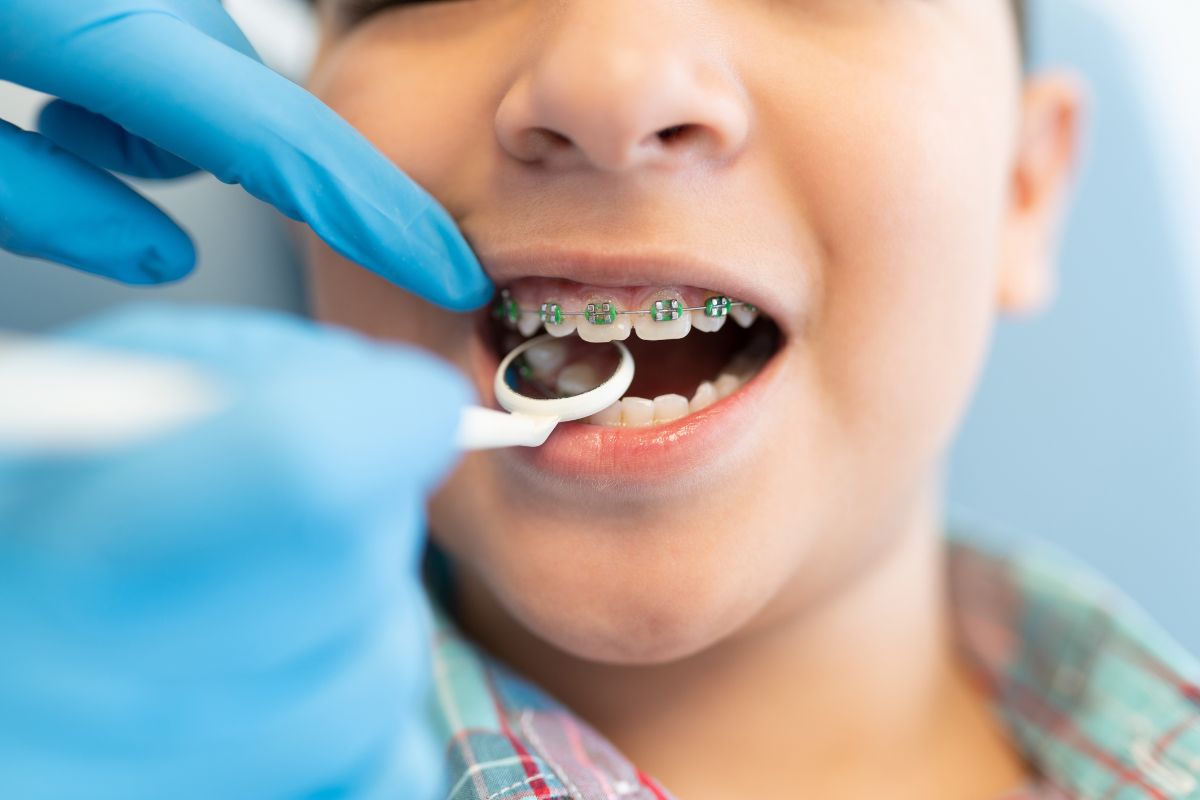
Braces can transform smiles. Yet sometimes, they bring unexpected issues. Parents often worry about comfort during treatment. What if discomfort signals something more? Allergic reactions to materials in braces happen rarely but deserve attention. This post dives into key signs. You’ll learn how to spot them early. Plus, get tips to handle concerns. Let’s keep those smiles healthy and bright.
Understanding Braces and Their Materials
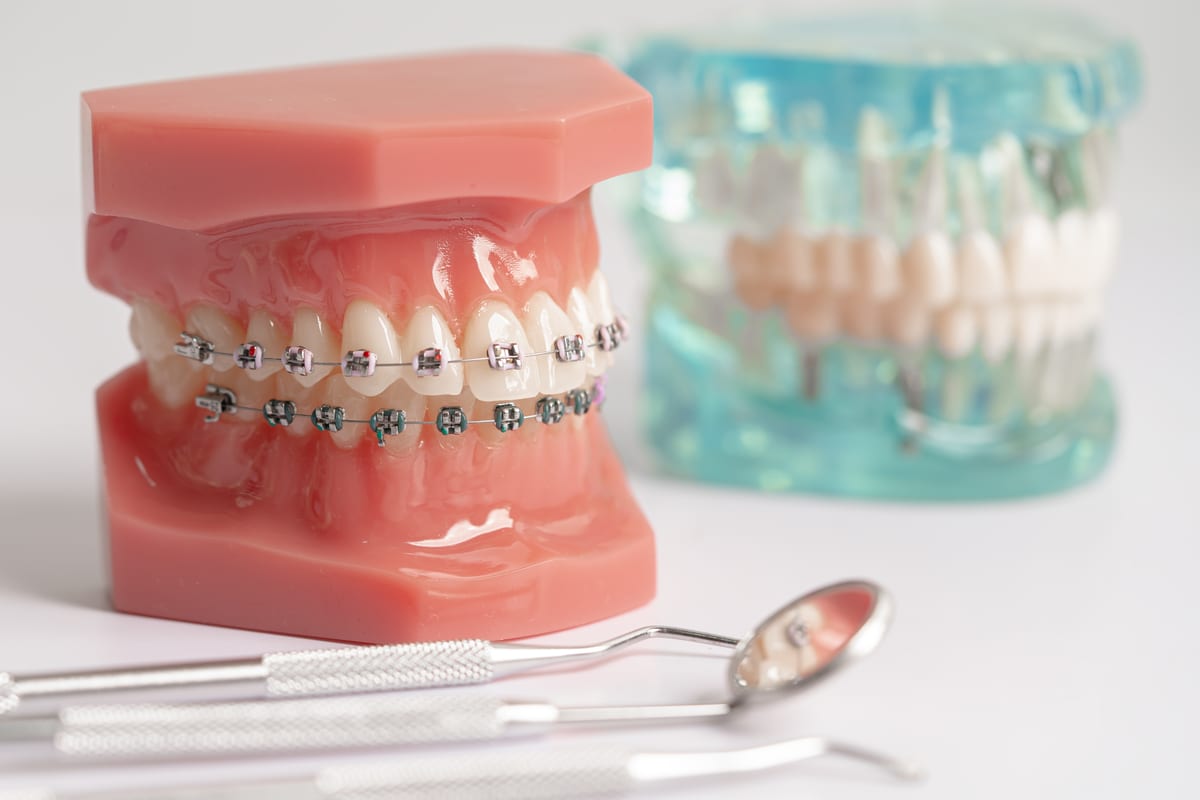
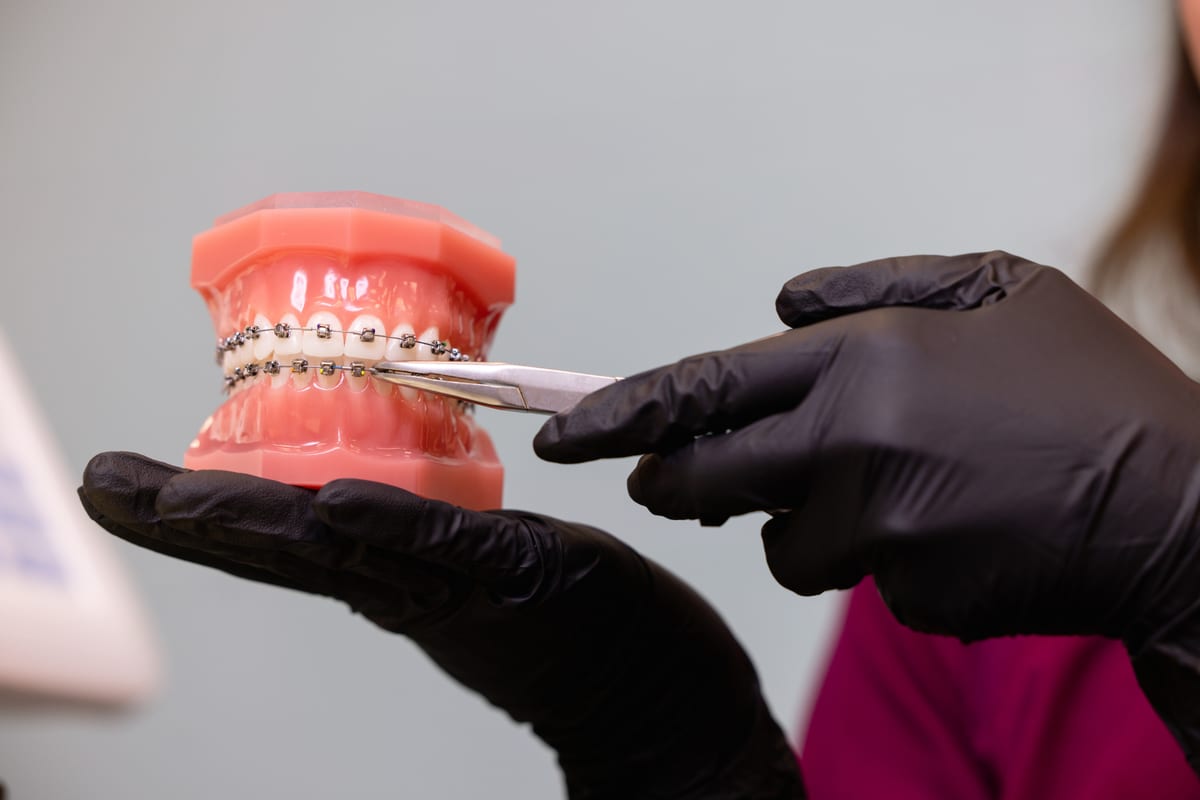
Braces straighten teeth effectively. They use various components. Metal brackets often contain stainless steel. Wires might include nickel-titanium alloys. Bands and elastics add support. Some braces feature ceramic or plastic parts. These materials work well for most people.
Allergies arise when the body reacts to certain elements. Nickel is a common culprit in metals. Latex in elastics or gloves can trigger issues too. Even acrylic in retainers might cause problems. Reactions vary by person. Sensitivity builds over time or shows up quickly.
Kids may face higher risks. Their immune systems are developing. Exposure to new materials can spark responses. Watch closely during early stages. Regular check-ups help catch issues fast.
Common Allergens in Orthodontic Appliances
Nickel tops the list of allergens. It’s in many metal braces. About 10-20% of people show sensitivity. Women tend to react more often. Prior piercings or jewelry allergies raise flags.
Latex allergies affect some patients. Gloves or rubber bands contain it. Symptoms appear on contact. Alternatives like non-latex options exist.
Other materials include chromium or cobalt. These are less common triggers. Titanium is usually safe. It’s hypoallergenic for most. Still, rare cases occur.
Knowing your history matters. Share past reactions with your provider. They can choose suitable materials.
Key Signs and Symptoms to Watch For
Spotting an allergy early prevents complications. Symptoms often mimic normal adjustment pain. But they persist or worsen.
Redness and swelling rank high. Gums or cheeks inflame around brackets. Lips might puff up too.
Itching or burning follows. A constant tingle inside the mouth signals trouble. It differs from typical soreness.
Rashes or sores develop. Blister-like spots appear on soft tissues. Skin around the mouth may itch.
In severe cases, breathing issues arise. This is rare but serious. Seek help immediately.
General fatigue or headaches can accompany. The body fights the allergen. Track patterns after placement.
Statistics on Allergic Reactions
Allergies to braces materials are uncommon. Yet data shows patterns. Here’s a quick overview:
| Allergen Type | Prevalence in Orthodontic Patients | Notes |
|---|---|---|
| Nickel | Up to 30% in females, 3% in males | Most common; often linked to prior sensitivities |
| Titanium | Around 4% | Rare; includes cross-reactions with nickel |
| Latex | 1-5% | Affects those with known rubber allergies |
These stats come from studies on hypersensitivity. Early detection helps. Most cases resolve with material changes.
What to Do If You Suspect a Reaction
Don’t ignore persistent discomfort. Note symptoms and timing. Keep a log for your provider.
Contact your orthodontist promptly. They assess the issue. Patch tests confirm allergies.
Switch materials if needed. Ceramic or gold brackets avoid nickel. Clear aligners offer alternatives.
Over-the-counter relief helps short-term. Antihistamines ease itching. Rinse with salt water.
Follow-up visits ensure progress. Adjustments make treatment comfortable again.
For parents exploring expert orthodontic treatment for kids in Wichita Falls, TX, awareness of these signs empowers better decisions. Local experts tailor approaches to young patients.
Preventing Allergic Reactions Before They Start
Prevention beats cure. Discuss allergies upfront. Mention jewelry or skin sensitivities.
Request hypoallergenic options. Many practices offer them.
Patch testing screens risks. It’s simple and quick.
Maintain oral hygiene. Clean braces reduce irritation risks.
Regular monitoring catches early signs. Stay vigilant.
Trending FAQs on Allergic Reactions to Braces Materials
Many parents search for answers online. Here are common questions based on popular searches, with clear responses:
- Can you be allergic to metal braces? Yes, especially to nickel in them. Symptoms include mouth irritation. Alternatives like ceramic braces help avoid this.
- What are the symptoms of an allergic reaction to braces? Look for swelling, redness, itching, or sores in the mouth. A burning sensation or rashes around lips are also key indicators.
- How common are allergies to orthodontic materials? Not very common, but nickel sensitivity affects up to 30% of women in studies. Kids with family allergy history face higher odds.
- What should I do if my child shows signs of a braces allergy? Consult your orthodontist right away. They may switch materials or run tests for confirmation.
- Are there braces options for allergy-prone kids? Absolutely. Hypoallergenic choices like titanium or clear aligners minimize risks.
These address top concerns from search trends.
When to Seek Professional Guidance
Persistent symptoms need attention. Don’t wait them out. Early action prevents bigger issues.
Your provider knows best. They guide through options. Comfort should come first in treatment.
Building trust eases worries. Open talks lead to better outcomes.
If you’re noticing unusual signs, it’s wise to schedule an appointment with a specialist. They can evaluate and adjust as needed.
Let’s chat about this. Have you seen these signs? Sharing experiences helps others. Knowledge empowers confident choices.
Wrapping Up Your Journey to a Healthy Smile
Allergic reactions to braces materials are manageable. Awareness turns potential problems into simple fixes. Stay informed and proactive. Your smile deserves the best care. If concerns linger, reach out to schedule an appointment today. Bright, allergy-free grins await.