December 26, 2025
Emergency Dentistry
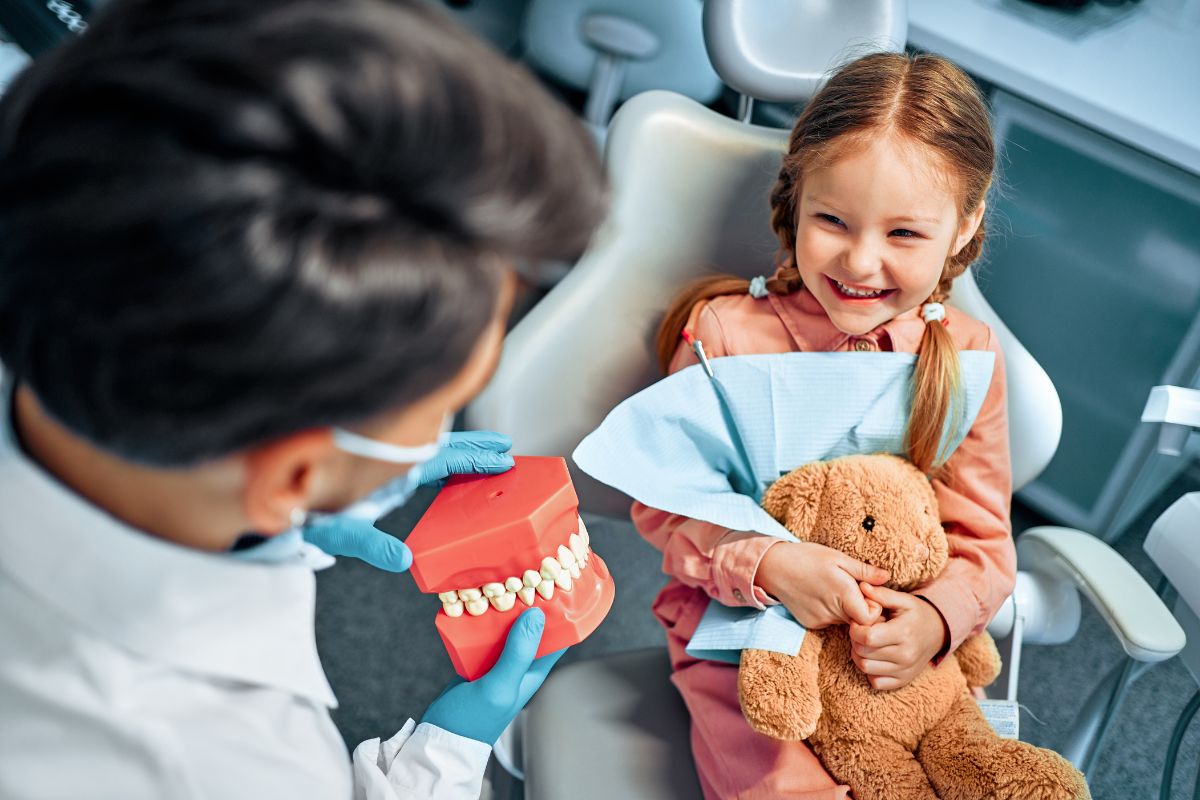
As we step into a fresh new year, many parents are setting resolutions for healthier family habits. Dental care often tops the list, especially for little ones. But what happens when a sudden issue like a tooth infection arises? Understanding conditions such as a dental abscess can make all the difference. This painful problem isn’t just uncomfortable – it demands quick attention to safeguard your child’s well-being.
Recognizing a Dental Abscess in Kids
A dental abscess forms when bacteria invade the tooth’s inner layers or gums. It creates a pocket of pus from infection. In children, this often stems from untreated cavities or injury during play.
Kids’ teeth are still developing. Their enamel is thinner, making them prone to decay. Trauma from falls or sports can crack teeth, letting germs in. Poor brushing habits add to the risk.
Watch for key signs. Severe tooth pain that worsens with chewing is common. Swelling around the face or gums appears red and tender. Pus might drain, causing bad taste or breath.
Fever signals the body fighting infection. Your child may seem irritable or refuse food. Lymph nodes under the jaw could swell too.
Why It’s Considered a Dental Emergency
Time matters with a dental abscess. The infection can spread beyond the mouth. In rare cases, it reaches the neck, jaw, or even brain.
Children are more vulnerable. Their immune systems are building up. Quick spread leads to serious issues like cellulitis or sepsis.
Hospital data shows abscesses cause many pediatric ER visits. Delaying care risks permanent damage to growing teeth or bones.
Prompt action prevents complications. It also eases pain fast, helping your child feel better sooner.
Parents often wonder if it will resolve alone. No – antibiotics or drainage are needed. Ignoring it worsens the situation.
In Wichita Falls, finding an emergency dentist in Wichita Falls, TX, ensures specialized help for such urgent needs.
Causes Behind Dental Abscesses in Children
- Decay is the top culprit. Sugary snacks and drinks erode enamel. Bacteria thrive in plaque buildup.
- Injuries play a role too. A knocked tooth or chip exposes the pulp. Infection sets in without protection.
- Sometimes, previous dental work fails. Fillings or crowns can loosen over time.
- Weakened immunity from illness boosts risk. Crowded teeth make cleaning hard, inviting problems.
Preventive steps help. Regular checkups spot issues early. Fluoride strengthens teeth against decay.
Symptoms That Signal Trouble
- Pain is the first alert. It throbs constantly or spikes with touch.
- Swelling distorts the face. Gums look puffy and shiny.
- Fever climbs above 100.4°F. Chills or fatigue follow.
- Pus oozes from gums. Breath smells foul.
- Difficulty swallowing or breathing is a red flag. Seek help immediately.
Track symptoms. Note when they start and worsen. This aids diagnosis.
Treatment Options for Child Dental Abscess
- Diagnosis involves an exam and X-rays. They reveal infection extent.
- Antibiotics fight bacteria. Pain relievers ease discomfort.
- Drainage removes pus. A small incision helps.
- Follow-up ensures healing. Good hygiene prevents recurrence.
- Home care supports recovery. Rinse with salt water. Use soft foods.
Preventive Measures for Healthy Smiles
- Start habits early. Brush twice daily with fluoride toothpaste.
- Limit sweets, especially after holidays. Encourage water over juice.
- Sealants protect molars from decay. Mouthguards shield during sports.
- Routine visits build comfort with dentistry. Teach proper flossing.
As part of new year goals, make oral health a family priority. Small changes yield big results.
Trending FAQs on Dental Abscess in Children
Parents often search for quick answers on this topic. Here are some frequently asked questions based on common online queries, with straightforward responses:
- What are the first signs of a dental abscess in a child? Early indicators include intense tooth pain, facial swelling, and sensitivity to hot or cold. Pus or a pimple-like bump on the gums may appear too.
- Is a dental abscess in kids dangerous if untreated? Yes, it can lead to infection spreading to other body parts, causing fever, difficulty breathing, or even hospitalization in severe cases.
- How do you treat a tooth abscess in a child at home? Home remedies like warm salt rinses can offer temporary relief, but professional treatment is essential to drain the infection and prescribe antibiotics.
- Can a dental abscess go away without treatment? No, abscesses rarely resolve on their own and often worsen, requiring dental intervention to prevent complications.
- What causes abscesses in children’s teeth? Common causes are untreated cavities, tooth trauma from accidents, or poor oral hygiene allowing bacteria to build up.
- When should I take my child to the ER for a tooth abscess? Go immediately if there’s high fever, severe swelling affecting breathing, or if the child seems very ill.
- How long does it take for a child to recover from a dental abscess? With treatment, symptoms improve in a few days, but full recovery may take a week or more, depending on severity.
Key Statistics on Pediatric Dental Infections
Here’s a quick table highlighting relevant stats to underscore the importance:
| Statistic | Detail | Source Insight |
|---|---|---|
| Prevalence | About 20-30% of kids aged 2-5 have untreated decay leading to potential abscesses. | General pediatric dental reports. |
| ER Visits | Dental issues like abscesses account for over 2 million annual ER visits in the US, many involving children. | Hospital admission studies. |
| Complication Rate | Up to 40% mortality if infection spreads untreated, though rare in kids with prompt care. | Medical research on severe cases. |
| Hospital Admissions | Odontogenic infections cause 1-2% of pediatric hospitalizations yearly. | Clinical overviews. |
These numbers show why vigilance is key.
If your child shows signs of infection, don’t wait. Schedule an appointment with our trusted provider to address it swiftly.
Finding a reliable kids dentist in Wichita Falls, TX, can make all the difference in handling these situations calmly and effectively.
Prioritize checkups this new year to catch problems early.
As we embrace 2026, let’s commit to brighter, healthier smiles for our children. Recognizing emergencies like a dental abscess empowers you to act fast. Stay informed, stay proactive, and enjoy the year ahead with confidence in your family’s dental health. If concerns arise, reach out to schedule an appointment for peace of mind.