May 27, 2026
Orthodontics
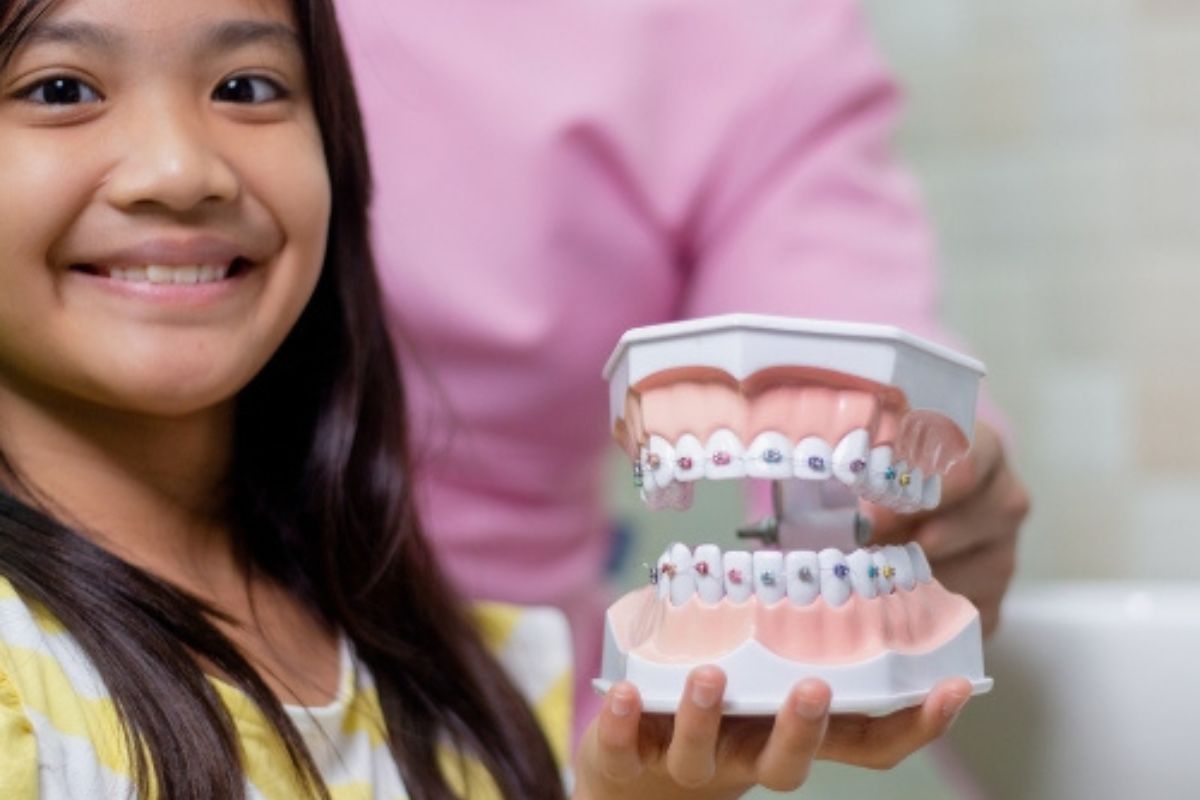
A child’s smile is constantly developing, and even small bite issues can have a lasting impact on oral health. One of the most common concerns parents overlook is a crossbite. While it may seem minor at first, a crossbite can influence how the jaws grow and function over time. Addressing this issue early can help support balanced facial development, improve chewing efficiency, and reduce the likelihood of more complex dental concerns later in life.
What Is a Crossbite?
A crossbite occurs when one or more upper teeth sit inside the lower teeth when the mouth is closed. This can affect the front teeth, back teeth, or both. In many cases, the condition develops due to genetics, prolonged thumb sucking, delayed tooth eruption, or differences in jaw growth.
Because children’s jaws are still developing, early intervention often provides the best opportunity to guide growth in a healthier direction.
How Can a Crossbite Affect Jaw Development?
When a child has a crossbite, the lower jaw may shift to one side every time they bite down. Over months and years, this repeated movement can influence bone growth and muscle development.
Uneven Jaw Growth
If the jaw consistently shifts in one direction, one side may develop differently than the other. This can create facial asymmetry and affect overall facial balance.
Increased Wear on Teeth
A misaligned bite can place excessive pressure on certain teeth. Over time, this may contribute to uneven wear patterns and increased strain on the supporting structures.
Jaw Joint Stress
The jaw joints work best when the bite is balanced. A crossbite can place unnecessary stress on these joints, potentially leading to discomfort and functional concerns as a child grows.
Why Is Early Treatment Important?
Children’s bones are more adaptable than adult bones. This makes early intervention highly effective for guiding healthy jaw development.
Growth Is Easier to Influence
During childhood, the upper jaw and lower jaw are still forming. Correcting a crossbite at this stage can help encourage symmetrical growth and reduce the risk of future complications.
Better Facial Development
Balanced jaw growth contributes to facial harmony. Early correction helps ensure that both sides of the face develop more evenly.
Improved Oral Function
Children with a properly aligned bite often experience improved chewing, speaking, and overall oral function.
What Signs Should Parents Watch For?
Many parents are unaware that their child has a crossbite until a dental professional identifies it during an exam.
Common signs include:
- Teeth that do not align properly when biting
- The lower jaw shifting to one side
- Uneven wear on teeth
- Frequent cheek biting
- Difficulty chewing certain foods
- Facial asymmetry becoming more noticeable over time
Routine dental visits can help identify these issues before they worsen.
When Should a Child Be Evaluated?
Experts generally recommend evaluating bite development while children are still growing. Early assessment allows dental professionals to monitor jaw growth and determine whether intervention may be beneficial.
Families seeking guidance from an orthodontist in Wichita Falls, TX often discover that addressing bite concerns during childhood can help support healthier long-term outcomes.
A collaborative approach between pediatric dental providers and specialists can ensure that developing smiles receive the attention they need at the right time.
How Do Pediatric Dental Professionals Help?
Monitoring growth and development is an important part of children’s dental care. Regular checkups allow providers to identify developing bite concerns before they become more significant.
In many cases, our pediatric dentists in Wichita Falls work closely with families to monitor oral development and provide recommendations based on each child’s unique needs. When specialized orthodontic evaluation becomes necessary, appropriate referrals can be discussed.
Dr. Jan Ortiz, an orthodontic specialist focused on children’s smiles, understands the importance of early evaluation when bite concerns affect healthy jaw growth.
Crossbite and Jaw Growth: Key Facts
| Concern | Potential Impact |
|---|---|
| Untreated Crossbite | Uneven jaw development |
| Jaw Shifting | Facial asymmetry |
| Improper Bite Alignment | Excessive tooth wear |
| Delayed Evaluation | More complex future treatment |
| Early Monitoring | Supports balanced growth |
Trending FAQs About Crossbite in Children
- Can a crossbite correct itself?
Some minor bite changes occur naturally, but most true crossbites require professional evaluation. - What age should a crossbite be checked?
Bite development should be monitored throughout childhood, especially when permanent teeth begin erupting. - Can a crossbite affect facial appearance?
Yes. Long-term jaw shifting can contribute to facial asymmetry. - Does a crossbite affect chewing?
Yes. Some children experience difficulty chewing efficiently due to improper tooth alignment. - Is early treatment better than waiting?
In many cases, early intervention can help guide jaw growth and prevent worsening issues. - Can a crossbite cause jaw discomfort?
It may place extra strain on jaw joints and surrounding muscles over time.
What Should Parents Do Next?
Parents play an important role in recognizing potential bite concerns early. Paying attention to how a child bites, chews, and closes their mouth can help identify issues before they become more significant.
As children grow, even small bite discrepancies can influence jaw development. Early evaluation allows dental professionals to monitor changes and recommend appropriate next steps when needed. If you are searching for an orthodontist near you, seeking guidance early can provide valuable insight into your child’s developing smile and overall oral health.
A crossbite may appear minor, but its effects on jaw growth can be significant when left unaddressed. Early identification and monitoring can help support balanced facial development, healthy oral function, and a more stable bite as children grow. By staying proactive and scheduling regular dental evaluations, parents can help ensure their child’s smile develops as naturally and symmetrically as possible.