September 25, 2024
Orthodontics

Orthodontic treatment is no longer just about straightening teeth for a better smile; it plays a critical role in overall dental health. Crooked, misaligned, or crowded teeth can affect your bite, cause jaw discomfort, and even lead to other oral health issues like gum disease or tooth decay. Modern orthodontics offers a variety of solutions that go beyond traditional braces. Whether you’re dealing with misalignment, crowding, or bite issues, there are multiple orthodontic procedures available to help. Here are five common types of orthodontic procedures and how they can benefit your smile and oral health.
1. Traditional Metal Braces
What Are They?
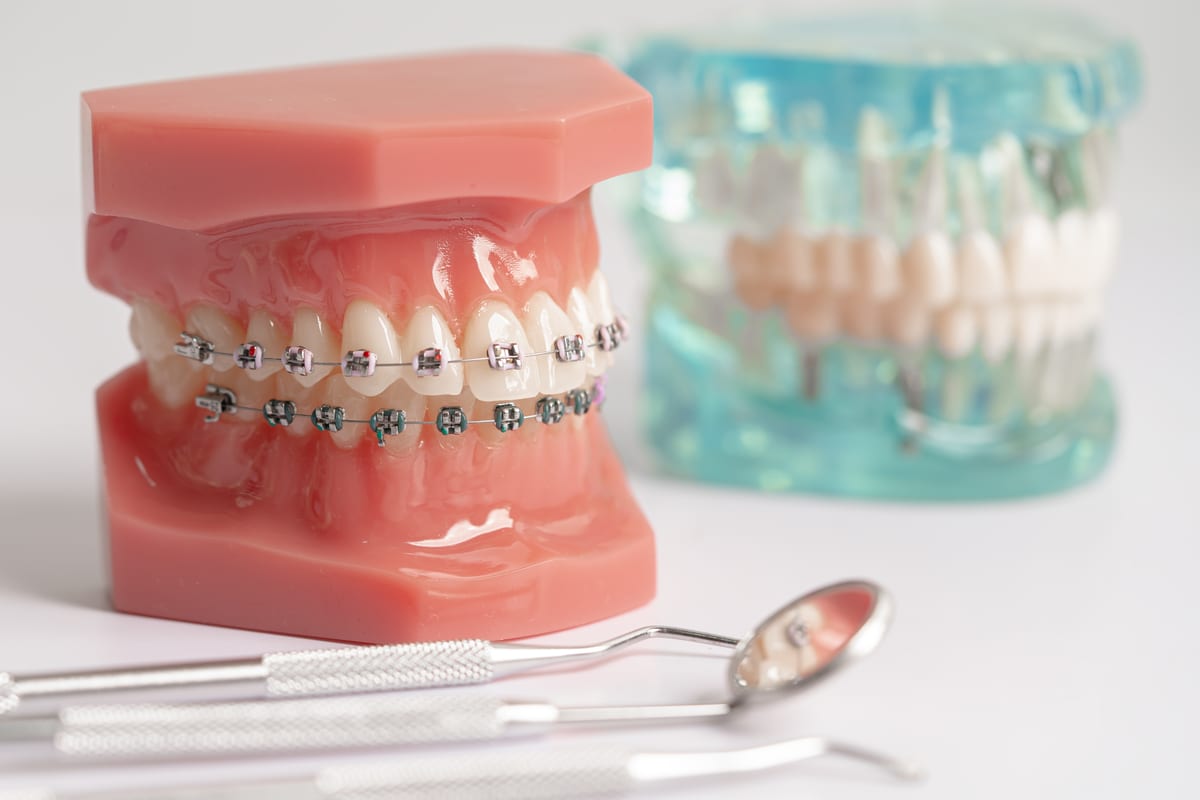
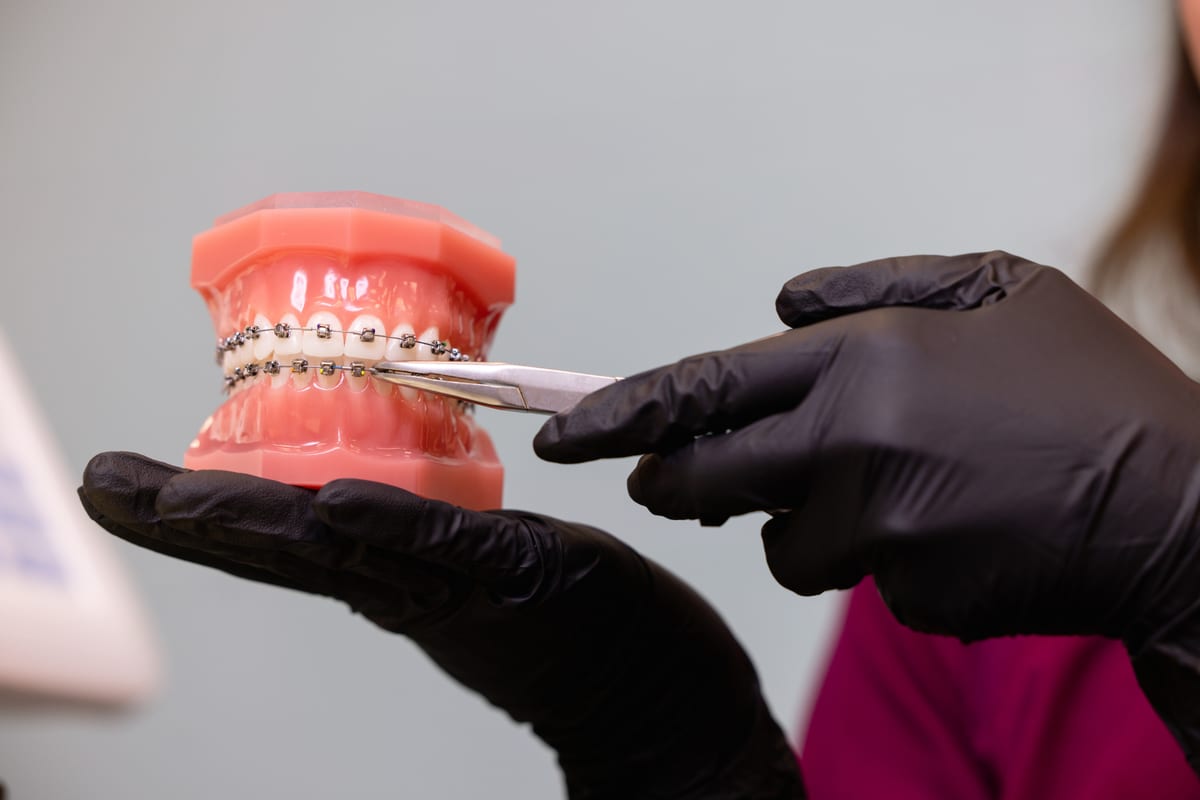
Traditional metal braces are one of the most well-known and effective orthodontic treatments for correcting crooked teeth, overcrowding, and bite issues. They consist of metal brackets attached to the teeth and connected by a wire. The wire is gradually tightened to shift the teeth into their correct positions.
How They Work:
- Bracket and Wire System: Metal brackets are bonded to the teeth, and wires are threaded through them. Over time, the wires apply pressure to gradually shift the teeth.
- Adjustments: Every 4–8 weeks, your orthodontist will adjust the wires to continue guiding your teeth into proper alignment.
Benefits:
- Highly effective for correcting severe misalignment.
- Suitable for both children and adults.
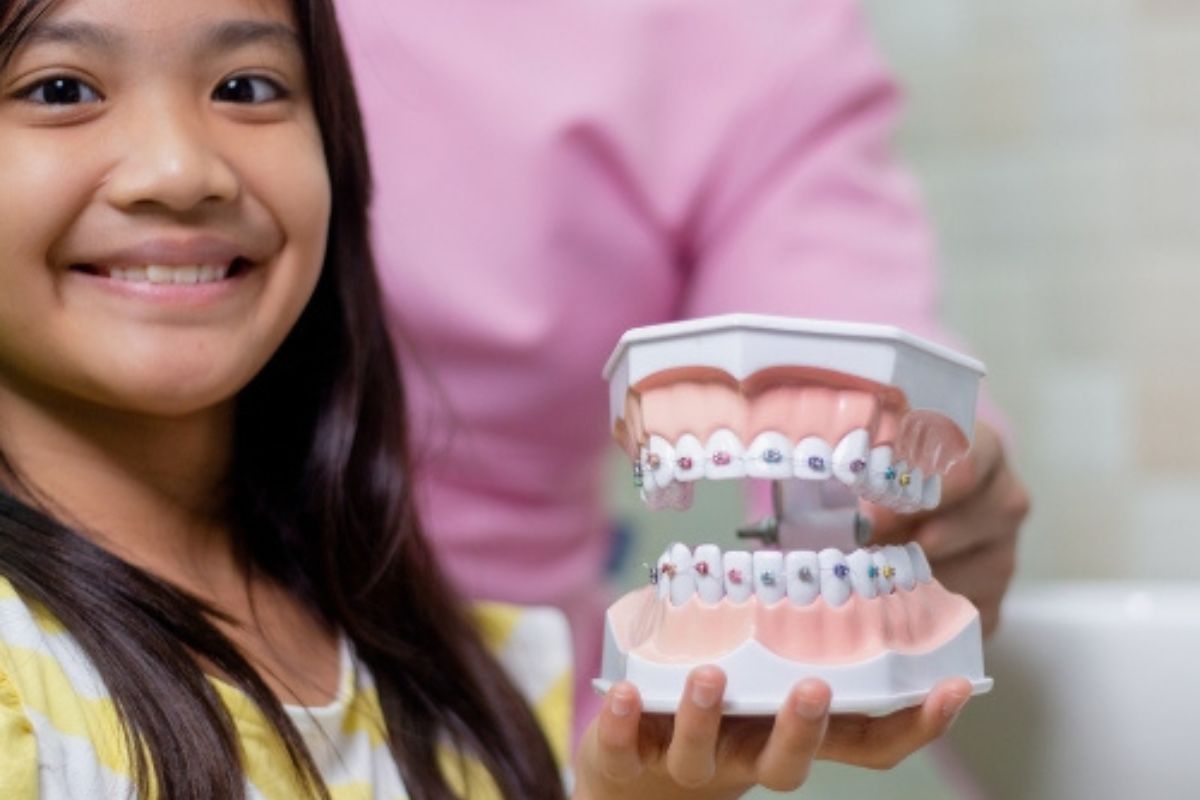
- Customizable with colored bands for a more personalized look.
Who is it For?
Traditional braces are ideal for patients with complex dental alignment issues such as severe crowding, large gaps, and significant bite problems (overbites, underbites, or crossbites).
2. Clear Aligners (Invisalign)
What Are They?
Clear aligners, commonly known by the brand name Invisalign, are a popular orthodontic procedure that involves wearing a series of custom-made, clear plastic trays that gradually move the teeth into alignment. Unlike traditional braces, these aligners are nearly invisible and can be removed when eating or brushing your teeth.
How They Work:
- Custom Aligners: Your orthodontist takes digital impressions of your teeth to create a series of clear aligners that are changed approximately every 1–2 weeks.
- Gradual Adjustments: Each aligner moves your teeth slightly closer to their ideal positions.
Benefits:
- Virtually invisible, making them ideal for adults and teens who want a discreet treatment option.
- Removable, so you can eat and clean your teeth without restrictions.
- Comfortable and smooth, with no metal brackets or wires.
Who is it For?
Clear aligners are best for patients with mild to moderate orthodontic issues, such as minor crowding or spacing. However, they may not be suitable for severe misalignments or bite problems.
3. Lingual Braces
What Are They?
Lingual braces are similar to traditional metal braces, but instead of being placed on the front of your teeth, they are attached to the back (lingual side). This makes them virtually invisible from the outside.
How They Work:
- Bracket Placement: The brackets and wires are custom-fitted and attached to the inside surfaces of the teeth.
- Gradual Adjustments: Like traditional braces, your orthodontist will adjust the wires periodically to guide your teeth into proper alignment.
Benefits:
- Completely hidden from view, making them a popular choice for adults and professionals.
- Effective for correcting complex alignment and bite issues.
- Customized to fit the shape of each tooth.
Who is it For?
Lingual braces are a great option for patients who need comprehensive orthodontic treatment but want a discreet alternative to traditional braces. However, they may not be suitable for individuals with extremely small teeth or certain bite conditions.
4. Self-Ligating Braces
What Are They?
Self-ligating braces are similar to traditional metal braces, but they use a sliding mechanism instead of elastic ties to hold the archwire in place. This allows the teeth to move more freely and can shorten treatment time.
How They Work:
- Sliding Mechanism: The brackets have built-in clips that hold the wire in place, reducing friction and allowing the teeth to move with less pressure.
- Fewer Adjustments: These braces may require fewer visits to the orthodontist for adjustments since the sliding system allows for a continuous shift in teeth positioning.
Benefits:
- Potentially shorter treatment time.
- Less pressure and discomfort compared to traditional braces.
- Easier to clean since they don’t use elastic bands, which can accumulate food particles.
Who is it For?
Self-ligating braces are suitable for most patients who need traditional braces but want a treatment option that may involve less discomfort and fewer adjustments.
5. Orthognathic Surgery (Jaw Surgery)
What Is It?
Orthognathic surgery, or jaw surgery, is a corrective procedure used for severe jaw misalignments that cannot be fixed with braces or aligners alone. It is often combined with orthodontic treatment to correct issues like a receding chin, overbites, underbites, or facial asymmetry.
How It Works:
- Preparation: Patients usually undergo a period of orthodontic treatment before surgery to align the teeth as much as possible.
- Surgery: The surgeon repositions the jawbones to create a better alignment between the upper and lower jaws.
- Post-Surgery Braces: After surgery, the patient typically wears braces for a few months to fine-tune their alignment.
Benefits:
- Corrects severe bite issues that can’t be treated with braces or aligners alone.
- Improves facial appearance and enhances jaw function.
- Can relieve symptoms such as difficulty chewing, speaking, or breathing.
Who is it For?
Orthognathic surgery is intended for patients with serious jaw misalignments that affect both their appearance and oral function. It is often recommended when other orthodontic treatments cannot resolve the issue.
Orthodontic procedures offer a variety of solutions for patients of all ages, ranging from traditional metal braces to more discreet options like clear aligners and lingual braces. Understanding the different types of orthodontic procedures can help you choose the best option for your needs. Whether you’re looking for cosmetic improvements or need to correct functional issues, a consultation with an orthodontist will provide you with a customized treatment plan that fits your unique dental concerns. No matter the method, the result is a healthier, more confident smile!