April 17, 2026
Emergency Dentistry
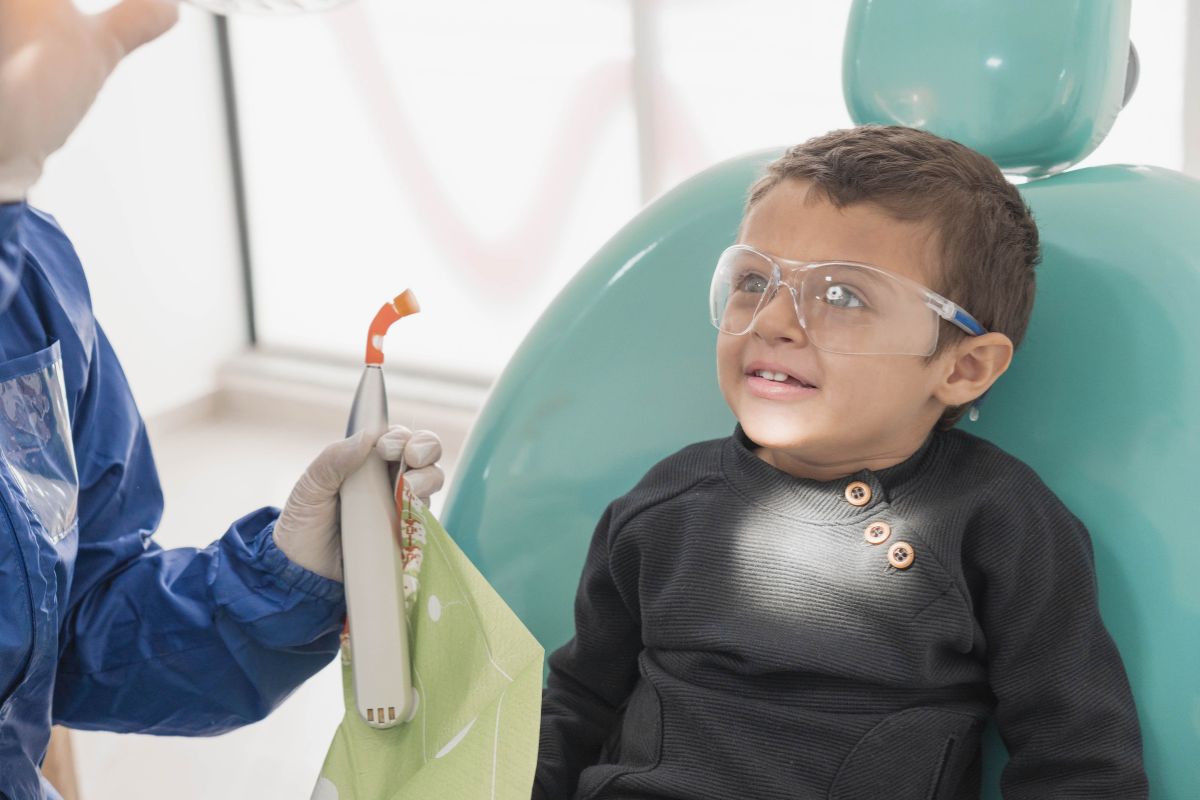
A hidden tooth fracture can be difficult to spot, especially in children. Many cracks are too small to see with the naked eye, yet they can cause serious discomfort and lead to infection if left untreated. Children may struggle to explain their symptoms clearly, which makes proper diagnosis even more important during a dental emergency.
A cracked tooth does not always happen after a major accident. Sometimes biting hard foods, sports injuries, nighttime grinding, or unnoticed trauma can create tiny fractures that worsen over time. Early detection helps prevent complications and protects your child’s long-term oral health.
What Symptoms Usually Point to a Hidden Tooth Fracture?
Hidden tooth fractures often cause symptoms that come and go. This makes them harder for parents to recognize immediately.
Common warning signs include:
- Pain while chewing
- Sensitivity to cold foods or drinks
- Sudden discomfort when releasing a bite
- Intermittent tooth pain
- Gum irritation near one tooth
- A child avoiding chewing on one side
In some cases, parents may notice unusual puffiness around the cheek or jaw area instead of obvious dental pain. This can indicate inflammation or infection linked to a hidden crack.
Children are also more likely to ignore mild discomfort until the condition becomes severe.
Why Are Hidden Tooth Fractures Difficult to Detect?
Not every tooth fracture appears clearly during a visual exam. Some cracks extend below the gumline or develop inside the tooth structure.
Unlike cavities, fractures can be microscopic. Symptoms may mimic other conditions such as:
- Tooth sensitivity
- Sinus pressure
- Gum irritation
- Early infection
- Bite alignment issues
This is why emergency dental evaluations rely on several diagnostic techniques instead of one single test.
What Happens During an Emergency Dental Examination?
An emergency dentist begins by asking detailed questions about symptoms and recent injuries. Even small incidents matter. A child may not realize that falling during sports or biting ice could damage a tooth.
The dentist typically checks:
| Diagnostic Step | Purpose |
|---|---|
| Visual examination | Detect visible cracks or enamel damage |
| Bite testing | Identify pain during pressure release |
| Dental X-rays | Reveal deeper fractures or infection |
| Light testing | Show tiny structural irregularities |
| Gum evaluation | Check inflammation near affected teeth |
These steps help determine whether the tooth can be preserved and how serious the fracture may be.
Can Dental X-Rays Detect Every Hidden Crack?
Dental X-rays are valuable, but they do not always reveal tiny fractures directly. Small cracks can hide between structures or run vertically in ways that are difficult to capture on imaging.
Emergency dentists combine X-rays with symptom analysis and physical testing to improve accuracy.
Advanced digital imaging also helps identify:
- Bone changes near the root
- Infection around the tooth
- Internal tooth damage
- Deep structural stress
This comprehensive approach improves early diagnosis and prevents the issue from worsening.
How Do Dentists Test for a Cracked Tooth?
One of the most effective tools is bite testing. The child gently bites down on a small instrument while the dentist monitors discomfort patterns.
Pain when releasing pressure often suggests a crack.
Dentists may also use special lights or dyes to detect tiny fracture lines that are otherwise invisible.
Children experiencing severe sensitivity after a dental injury may need immediate evaluation because cracks can quickly expose inner tooth layers.
During urgent pediatric dental visits, families often look for an emergency dentist for kids in Wichita Falls, TX when symptoms suddenly worsen after school activities, sports, or accidental falls.
Can a Hidden Tooth Fracture Become an Emergency?
Yes. Small cracks can worsen rapidly if untreated.
Once bacteria enter the fracture, infection can develop inside the tooth. This may lead to:
- Persistent pain
- Gum swelling
- Sensitivity to temperature
- Difficulty chewing
- Facial discomfort
- Infection spread
Some children may develop noticeable fullness or inflammation near the jaw or cheek area when infection progresses.
Immediate evaluation reduces the risk of more serious complications.
How Can Parents Tell the Difference Between Sensitivity and a Fracture?
Simple tooth sensitivity usually affects multiple teeth and improves quickly after removing the trigger.
A hidden fracture often causes:
- Sharp pain in one specific tooth
- Pain during chewing
- Random discomfort without obvious cause
- Sensitivity that keeps returning
- Symptoms after trauma
Parents should pay attention to changes in eating habits. Children often avoid crunchy foods when one tooth hurts.
What Should Parents Do Before the Dental Appointment?
If a hidden fracture is suspected:
- Avoid hard or sticky foods
- Encourage soft foods temporarily
- Use a cold compress if discomfort develops
- Keep the mouth clean with gentle brushing
- Monitor swelling or worsening symptoms
Prompt professional evaluation remains the safest step.
Are Children More Vulnerable to Tooth Fractures?
Children are naturally active, which increases the risk of dental trauma. Sports, playground activities, and accidental falls commonly contribute to cracked teeth.
Developing teeth may also respond differently to pressure and impact.
Experienced pediatric dentists understand how to evaluate symptoms in children who may struggle to describe their pain accurately.
Trending FAQs About Hidden Tooth Fractures
- Can a cracked tooth heal on its own?
No. Tooth enamel cannot regenerate naturally. Professional evaluation is necessary. - What does a hidden tooth fracture feel like?
It often feels like sharp pain when chewing or sensitivity that comes and goes. - Can a fracture cause swelling?
Yes. Infection from untreated cracks may lead to gum or facial inflammation. - Are hidden tooth fractures visible?
Not always. Many require imaging and bite testing for diagnosis. - Should I take my child to an emergency dentist for tooth pain?
Yes. Persistent pain after injury or chewing should be examined quickly. - Can children crack teeth without noticing?
Yes. Minor trauma may create small fractures that worsen gradually.
Why Early Diagnosis Matters for Children
Early diagnosis protects both comfort and long-term oral health. Small fractures can sometimes remain stable when treated quickly, while delayed care may increase the risk of infection or structural damage.
Parents should never ignore recurring tooth pain after an injury, even if symptoms seem minor initially.
Near the end of treatment planning discussions, families sometimes ask broader questions about choosing the right provider. If you are searching for a kids’ dentist near you, look for professionals experienced in handling dental emergencies, child-focused evaluations, and trauma-related symptoms in younger patients.
A child’s oral health can change quickly after dental trauma. Recognizing the signs of a hidden tooth fracture early helps prevent infection, discomfort, and long-term complications. Persistent pain, chewing sensitivity, or unusual puffiness near the face or gums should never be ignored. Prompt evaluation by experienced dental professionals ensures accurate diagnosis and timely care so children can return to smiling comfortably again. To schedule an appointment, contact the office today.