October 10, 2025
Orthodontics

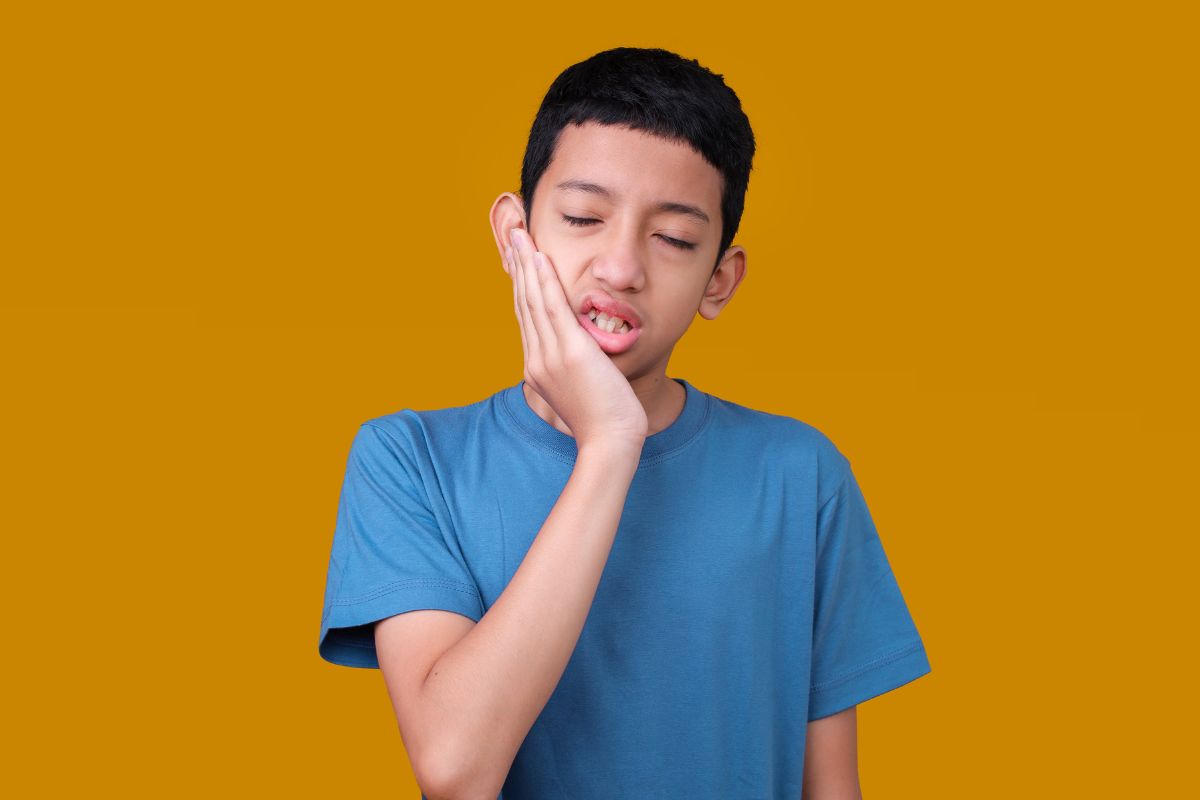
Picture this: Your kid comes home from their braces adjustment, flashing a grin that’s equal parts excitement and unease. Then they mention it—their tooth feels wobbly, like it’s about to play hide-and-seek with their smile. Your heart skips a beat. Is this a sign something’s gone wrong? As a parent, that worry hits hard. But take a deep breath. You’re not alone in this orthodontic adventure, and understanding what’s happening can turn anxiety into assurance. Let’s dive into the world of braces and tooth movement, so you can support your child’s journey to a straighter smile with confidence.
Understanding Tooth Mobility in Orthodontic Treatment
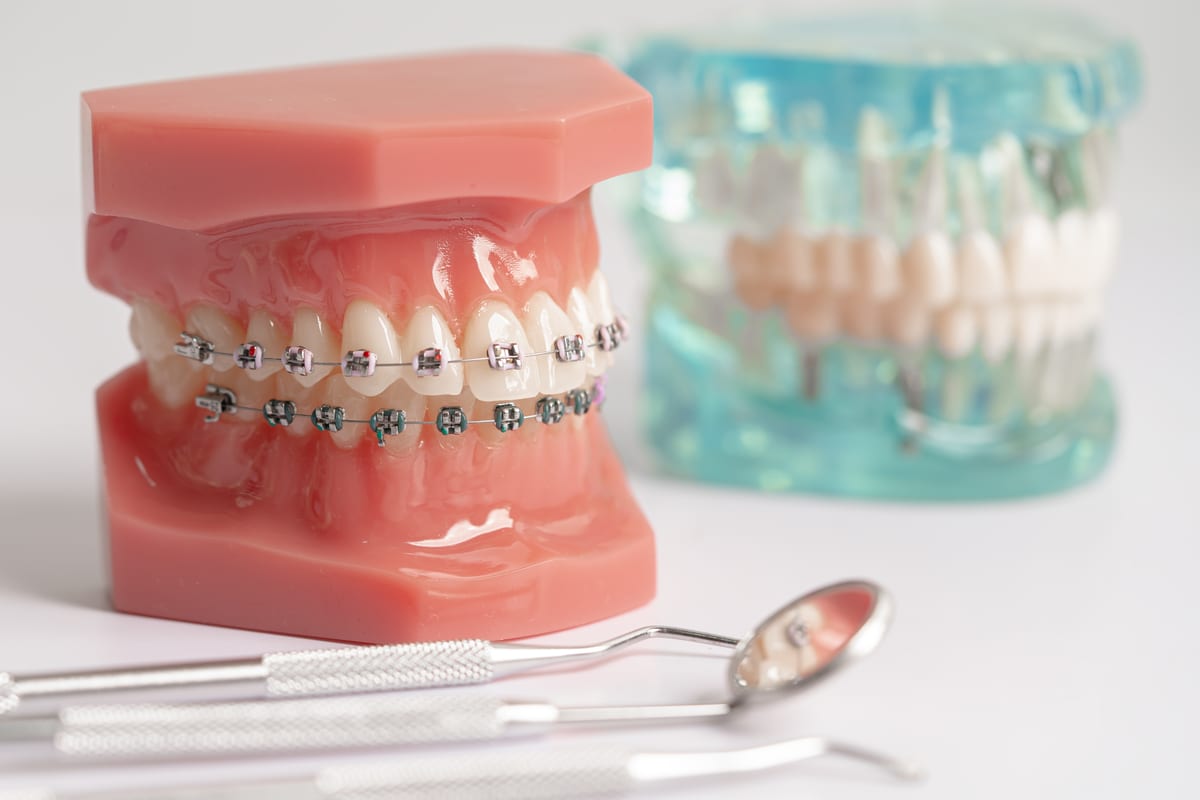
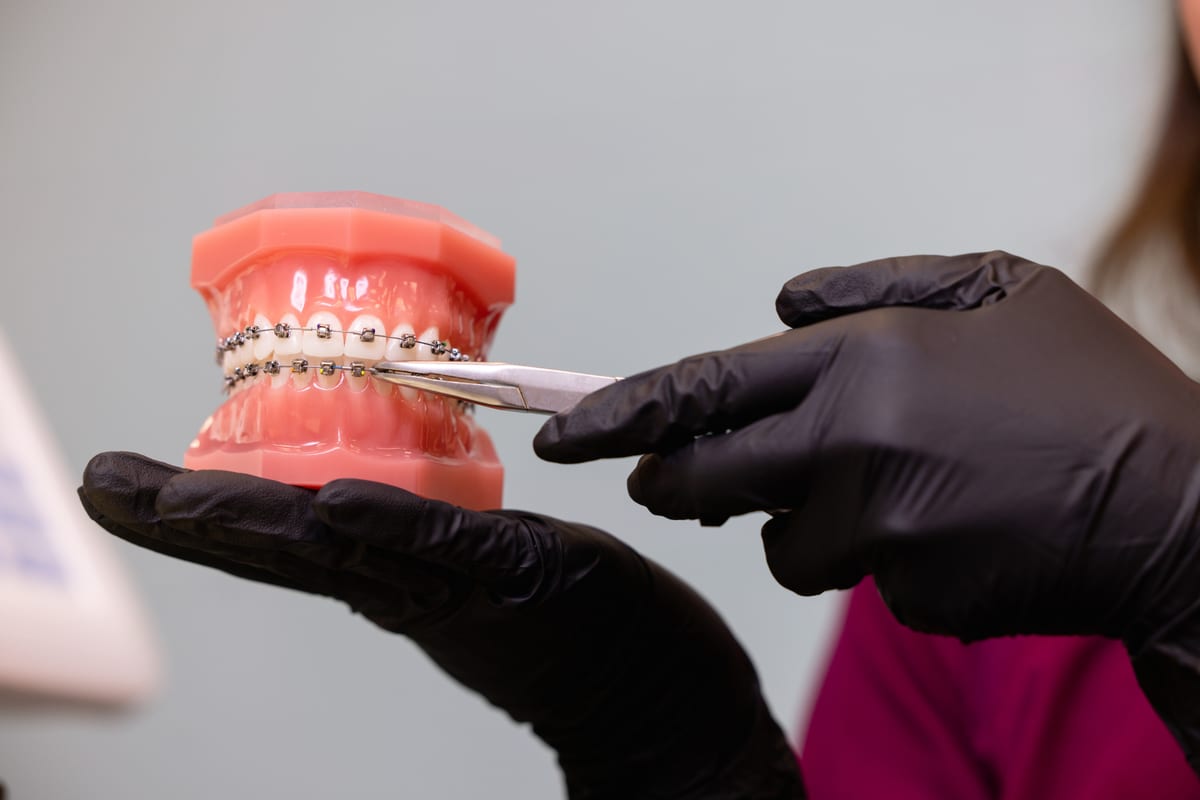
Braces work by gently shifting teeth into better positions. This process involves the periodontal ligament, the tissue anchoring teeth to the jawbone. When brackets and wires apply pressure, they signal the bone to remodel around the roots. That’s why a slight looseness often appears right after an adjustment.
In children, this sensation ties closely to active growth phases. Their jaws adapt quickly, making movement feel more noticeable. Orthodontic experts note that tooth mobility peaks during initial alignment or after tightening. It’s the body’s way of saying, “We’re on the move!” This remodeling ensures long-term stability, preventing future crowding or bite issues.
Is Loose Feeling a Normal Part of Braces?
Yes, in most cases. Teeth aren’t meant to stay rigid during treatment. That subtle shift confirms the braces are doing their job. Studies show that about 63% of patients first notice incisor movement in the upper arch, a key early sign of progress.
Expect this to last one to two weeks post-adjustment. Adjustments happen every six to eight weeks, so plan for these waves. If your child chews crunchy snacks or brushes vigorously, the wobble might amplify temporarily. Reassure them: It’s temporary and productive.
Signs It’s Just Part of the Process
- Mild rocking when gently pressed.
- No pain or swelling around the gums.
- Happens soon after a visit.
- Affects multiple teeth evenly.
These cues point to healthy orthodontic force. Keep up with soft foods like yogurt or smoothies during peak times to ease things.
Red Flags That Warrant a Check-In
Not every wiggle is welcome. Watch for sharp pain, bleeding gums, or looseness in non-targeted teeth. If a permanent tooth dangles unusually, it could signal infection or trauma. Head to the orthodontist promptly—early intervention keeps treatment on track.
In rare instances, excessive force from ill-fitting wires might contribute. But pros monitor this closely. Trust the team handling your child’s care.
Easing Discomfort from Loose Teeth with Braces
Comfort matters in this marathon. Over-the-counter pain relievers like ibuprofen can dull soreness, but check with your provider first. Rinse with warm salt water to soothe gums. Ice packs wrapped in cloth reduce swelling if needed.
Encourage gentle habits. Skip hard candies or gum chewing. An electric toothbrush on low speed protects sensitive areas. Most kids adjust within days, emerging with less fuss and more pep.
For proactive relief, some parents explore orthodontic wax to cushion brackets. Apply a small dab where wires irritate. This simple trick cuts down on daily gripes, keeping smiles bright.
Why Professional Oversight Beats DIY Fixes
Orthodontics thrives on precision. Home hacks might tempt, especially if progress feels slow. Yet, attempting changes without guidance risks misalignment or damage. For instance, while folks sometimes Google how to push back teeth without braces using rubber bands or DIY spacers, these can harm roots and bite harmony. Stick to expert plans for safe, effective results.
In Wichita Falls, families rave about tailored approaches from local specialists. They blend modern tech like digital scans with time-tested methods, ensuring kids’ treatments fit their unique needs.
Stats on Tooth Movement: What the Numbers Say
To put it in perspective, here’s a quick table of key orthodontic insights:
| Aspect | Statistic | Source Insight |
|---|---|---|
| Initial Movement Site | 63.3% upper incisors first | NIH Study on Orthodontic Pain |
| Monthly Shift Rate | 0.1-0.3 mm per tooth | Visage Orthodontics Research |
| Duration of Looseness | 1-2 weeks post-adjustment | Coastline Orthodontics Data |
| Patient Reporting Rate | 80% notice mobility early on | General Ortho Surveys |
These figures highlight how common—and controlled—this phase is. They underscore the science behind every bracket.
Trending FAQs on Loose Teeth with Braces in Kids
Parents often turn to Google for quick answers. Based on top searches, here are some burning questions with straightforward responses:
- Why do my child’s teeth feel loose after getting braces? It’s the pressure from wires prompting bone remodeling. Totally normal and a progress marker.
- How long does the loose feeling last with braces? Usually 1-2 weeks after adjustments. If longer, touch base with your orthodontist.
- Should I worry if a baby tooth loosens during braces treatment? Not if it’s time for it to go. Your provider can guide the extraction if needed.
- What if my kid’s permanent tooth feels too loose with braces? See a dentist ASAP. Quick action prevents complications.
- Can I pull a loose tooth while my child has braces? Let your orthodontist handle it. They ensure no interference with alignment.
These cover the essentials, drawing from real parent queries.
If you’re searching for orthodontic treatment in Wichita Falls, TX, look for providers who prioritize kid-friendly vibes and clear communication. Local spots shine with flexible scheduling and tech-driven plans that make visits fun, not fearsome.
As your child’s braces journey unfolds, remember: That loose feeling is often the soundtrack of success. It means straighter teeth, better bites, and boosted confidence ahead. Celebrate the small shifts—they add up to big smiles. Stay vigilant, lean on pros, and watch your little one beam brighter each day.
Ready to chat about your kid’s ortho needs? Call 940-432-5685 to schedule an appointment today.