October 4, 2024
Emergency Dentistry

Children are naturally energetic and curious, which often leads to bumps, falls, and other minor accidents. Unfortunately, some of these incidents can result in dental emergencies. Knowing how to respond quickly and appropriately to a child’s dental emergency can make a significant difference in the outcome, potentially saving their tooth and minimizing pain.
In this blog, we’ll explore the most common dental emergencies for children and provide essential tips on how to handle them.
1. Knocked-Out Tooth (Avulsed Tooth)
A knocked-out tooth is one of the most urgent dental emergencies for children, especially if it’s a permanent tooth. Whether it happens during sports or a playground accident, time is critical in saving the tooth.
How to handle a knocked-out tooth:
- For a permanent tooth: If a permanent tooth is knocked out, act quickly. Find the tooth and pick it up by the crown (the top part), avoiding the root to prevent damage. If the tooth is dirty, rinse it gently with water—do not scrub it or use soap. Try to reinsert the tooth into its socket if possible, but if not, place it in a container of milk or saline solution and take your child to the dentist immediately.
- For a baby tooth: If a baby tooth is knocked out, do not attempt to reinsert it, as this can damage the developing permanent tooth beneath. Contact your dentist to determine the best course of action, and they will advise you on what to do next.
2. Chipped or Broken Tooth
Children often chip or break their teeth when they fall or accidentally bite into something hard. While not always an emergency, a broken tooth can lead to discomfort, sensitivity, and, in some cases, infection if left untreated.
How to handle a chipped or broken tooth:
- Rinse your child’s mouth with warm water to clean the area.
- If there is swelling, apply a cold compress to the cheek to reduce it.
- If you can find the broken piece of the tooth, place it in a container of milk and bring it with you to the dentist.
- Contact your dentist as soon as possible. Depending on the severity of the break, the dentist may use dental bonding, a crown, or other restorative treatments to repair the tooth.
3. Toothache
Toothaches can be caused by various factors, including tooth decay, gum infections, or something as simple as food stuck between the teeth. Persistent tooth pain is uncomfortable for children and should be addressed promptly.
How to handle a toothache:
- Have your child rinse their mouth with warm salt water to help reduce inflammation.
- Check for food particles or debris stuck between their teeth and gently floss the area.
- If the pain persists, apply a cold compress to the cheek to relieve discomfort and reduce swelling.
- Do not apply aspirin directly to the tooth or gums, as it can damage the soft tissues.
- Contact your dentist to determine the cause of the toothache and receive appropriate treatment.
4. Dislodged (Partially Knocked-Out) Tooth
A tooth that has been knocked loose or partially dislodged due to trauma is another dental emergency that requires immediate attention. The tooth may still be attached but in a different position, which can cause discomfort and risk damage to the surrounding tissues.
How to handle a dislodged tooth:
- Have your child gently bite down on a clean piece of gauze or a cloth to keep the tooth in place.
- Apply a cold compress to the cheek to reduce swelling.
- Avoid moving or touching the dislodged tooth, as this can cause further damage.
- Call your dentist immediately for an emergency appointment. The dentist may be able to reposition and stabilize the tooth.
5. Lost Filling or Crown
Children who have had cavities filled or crowns placed on their teeth can sometimes lose these restorations due to wear, accidental impact, or decay. A lost filling or crown can expose the tooth to sensitivity and increase the risk of infection.
How to handle a lost filling or crown:
- Rinse the area with warm water to keep it clean.
- Apply dental cement (available at most drugstores) to cover the exposed area temporarily until you can get to the dentist.
- If a crown is lost, try to find it and bring it with you to the dentist.
- Schedule an emergency dental appointment so the dentist can repair or replace the filling or crown.
6. Broken Braces or Wires
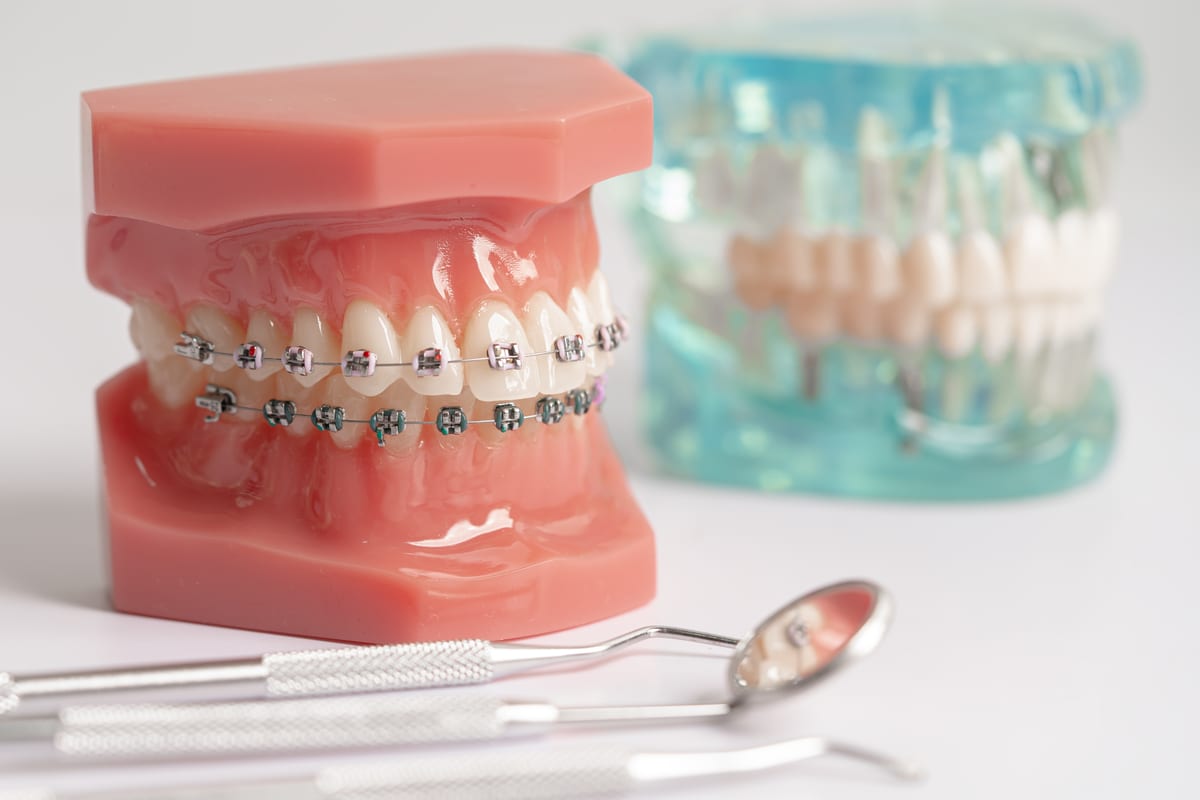
If your child has braces, the brackets or wires can sometimes break or become loose due to impact or improper care. This can cause discomfort and may even injure the soft tissues of the mouth.
How to handle broken braces or wires:
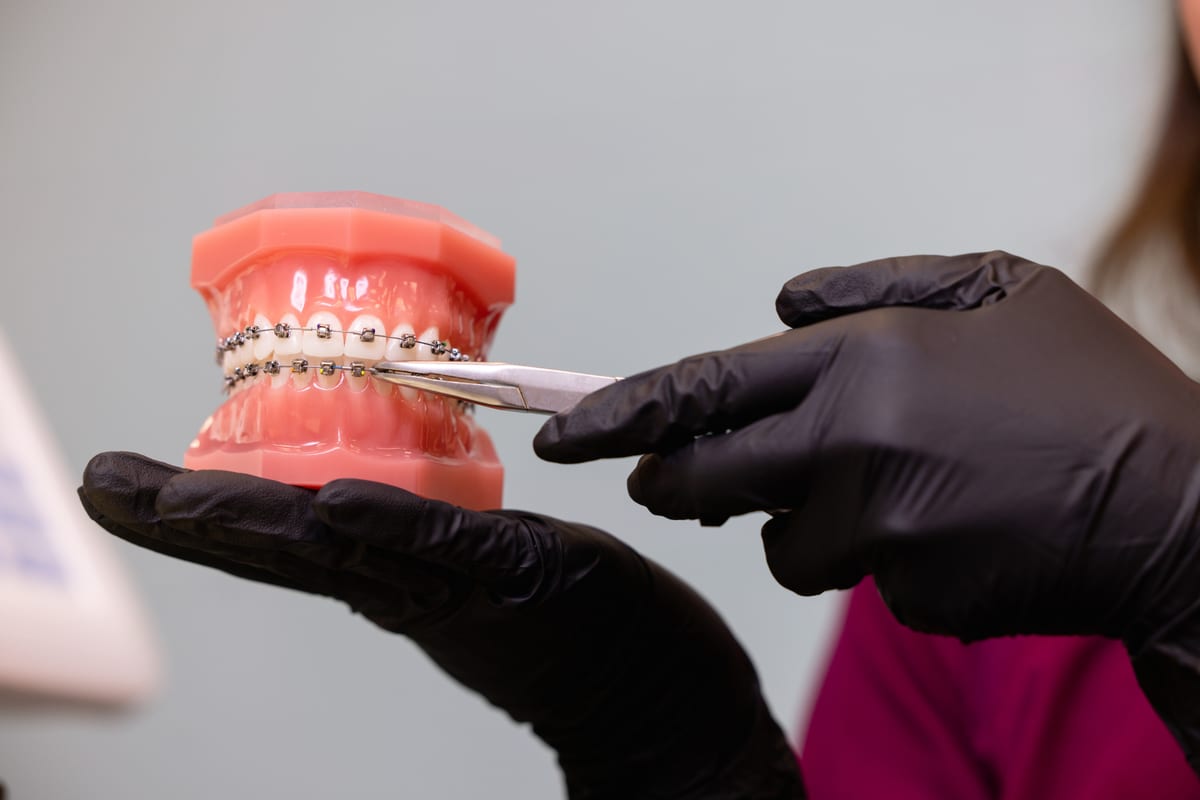
- If a wire is poking your child’s cheek or gum, try to push it back into place using the eraser end of a pencil or cover it with orthodontic wax to prevent irritation.
- If a bracket comes loose but is still attached to the wire, leave it in place and cover it with orthodontic wax until you can see the orthodontist.
- Avoid cutting the wire yourself, as this can cause further complications.
- Contact your child’s orthodontist to schedule an emergency visit and repair the damage.
7. Abscess
An abscess is a painful, pus-filled infection that occurs at the root of a tooth or in the space between the gums and the tooth. It can result from untreated cavities, gum disease, or trauma. Abscesses can spread to other parts of the body if left untreated, so immediate dental care is essential.
How to handle an abscess:
- Rinse your child’s mouth with warm salt water to help alleviate pain and draw out pus.
- Apply a cold compress to the cheek to reduce swelling.
- Avoid giving your child aspirin or any medications without consulting a doctor.
- Seek emergency dental care as soon as possible. The dentist may drain the abscess and prescribe antibiotics to prevent the infection from spreading.
8. Soft Tissue Injuries
Children can sometimes bite their tongue, lips, or cheeks during play, which can cause bleeding and discomfort. While most soft tissue injuries heal on their own, some may require medical attention if the bleeding is severe.
How to handle soft tissue injuries:
- Rinse your child’s mouth with water to clean the area.
- Apply a clean cloth or gauze to the injury to stop the bleeding. If the bleeding persists after 10-15 minutes, seek immediate care.
- Use a cold compress to reduce swelling and soothe discomfort.
- If the injury is significant or the bleeding won’t stop, take your child to the dentist or emergency room for further treatment.
Conclusion
Dental emergencies in children are common, but knowing how to respond quickly and effectively can make all the difference. Whether it’s a knocked-out tooth, a toothache, or a broken bracket, staying calm and contacting your dentist promptly will help ensure the best outcome for your child’s dental health.
Be sure to keep an emergency dental kit at home with items like gauze, orthodontic wax, and pain relievers, and always have your dentist’s contact information handy. Most importantly, encourage your child to wear protective gear like mouthguards during sports to prevent dental injuries in the first place.
If your child experiences any dental emergency, don’t hesitate to reach out to your dentist for immediate care!