November 13, 2024
Braces

An overbite is a common dental issue that, if left untreated, can lead to more serious oral health problems down the road. For parents noticing that their child’s top teeth seem to jut out too far over the bottom teeth, it’s natural to wonder whether braces are needed to correct the alignment. Understanding what an overbite is, why it can be problematic, and when braces are necessary can help parents make informed decisions about their child’s oral health.
What Is an Overbite?
An overbite, also known as a deep bite, occurs when the upper front teeth significantly overlap the lower front teeth. Although a slight overbite is normal and common, a severe overbite can cause issues with chewing, speech, and even self-confidence. The causes of an overbite are often hereditary, though habits like thumb-sucking, prolonged pacifier use, and nail-biting can also contribute.
Why Correcting an Overbite Is Important
A pronounced overbite isn’t just a cosmetic concern; it can affect overall dental and physical health. Here are some key reasons why correcting an overbite is beneficial:
- Improved Oral Function: An overbite can make it difficult for children to chew food properly. Misaligned bites can lead to uneven wear on the teeth, and in severe cases, it can even cause jaw pain.
- Reduced Risk of Tooth Damage: When the top teeth protrude, they are more susceptible to accidental injuries. Children with significant overbites are at greater risk of damaging their front teeth from falls or sports injuries.
- Enhanced Speech and Breathing: Overbites can sometimes interfere with proper speech development, leading to certain speech impediments. Severe cases may even impact a child’s ability to breathe easily.
- Increased Self-Esteem: For many children, appearance matters. Having a visible overbite can affect self-confidence, especially in social settings or during adolescence.
Signs Your Child May Need Braces for an Overbite
Some signs of an overbite are obvious, but others may be subtler. Parents should keep an eye out for the following indicators:
- Significant Overlap: If the upper front teeth cover more than half of the lower front teeth when your child bites down, it may be a sign of a problematic overbite.
- Protruding Front Teeth: When front teeth extend far out in front of the bottom teeth, it could indicate a deep bite.
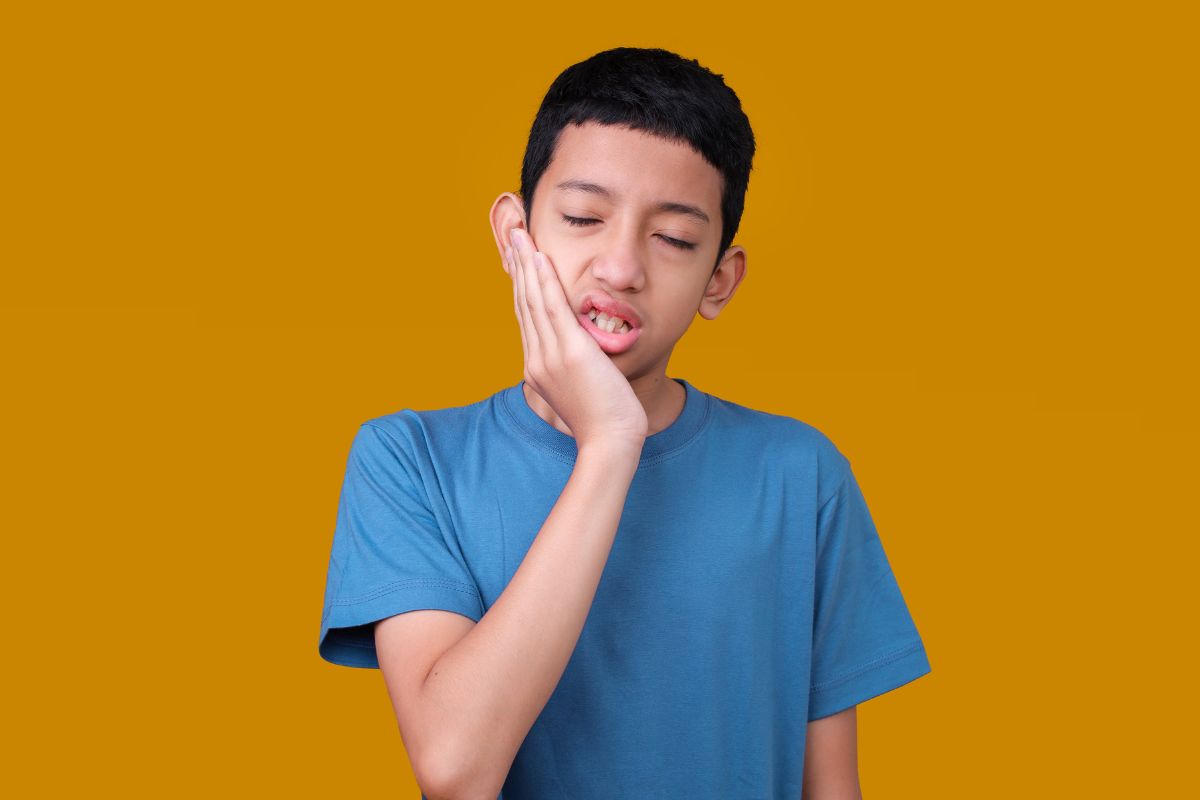
- Jaw Pain or Clicking: Children with overbites may experience jaw pain or a clicking sound in their jaw due to misalignment.
- Difficulty Chewing or Speaking: Struggles with clear speech or effective chewing may point to alignment issues.
If these symptoms are present, consulting an orthodontist for an evaluation is recommended.
How Braces Help Correct an Overbite
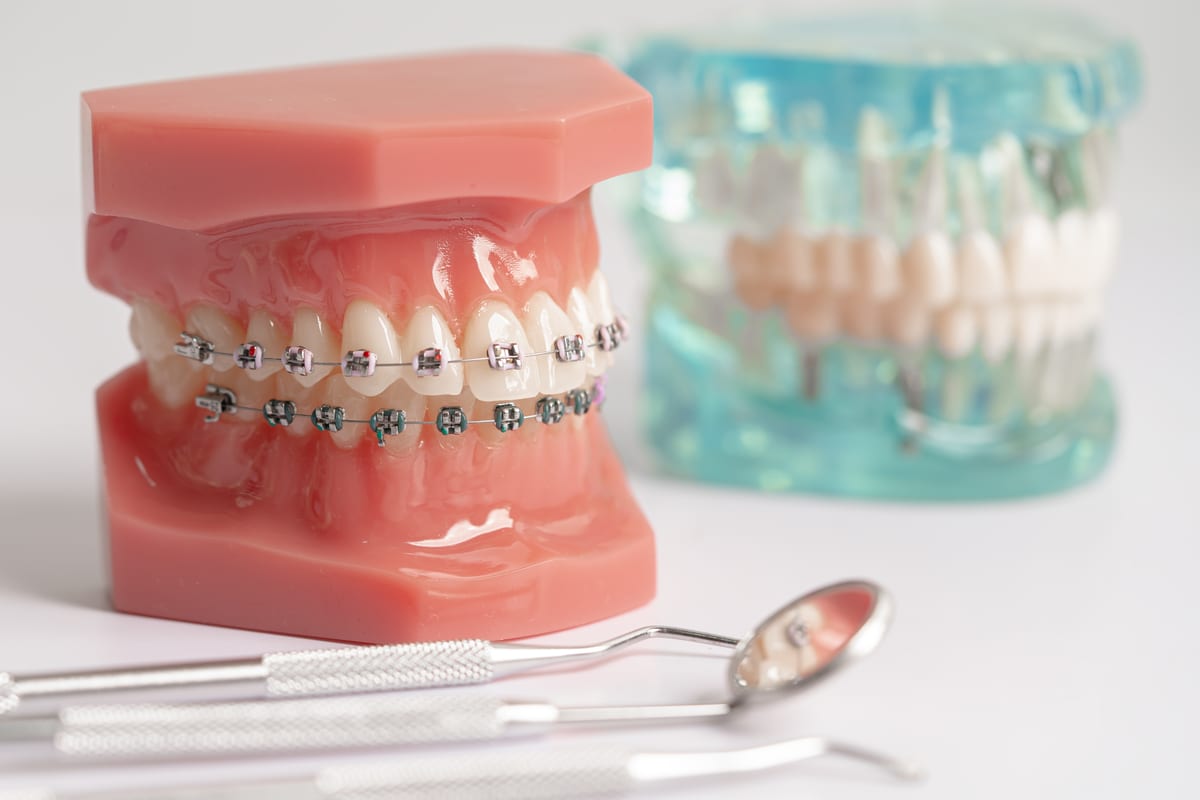
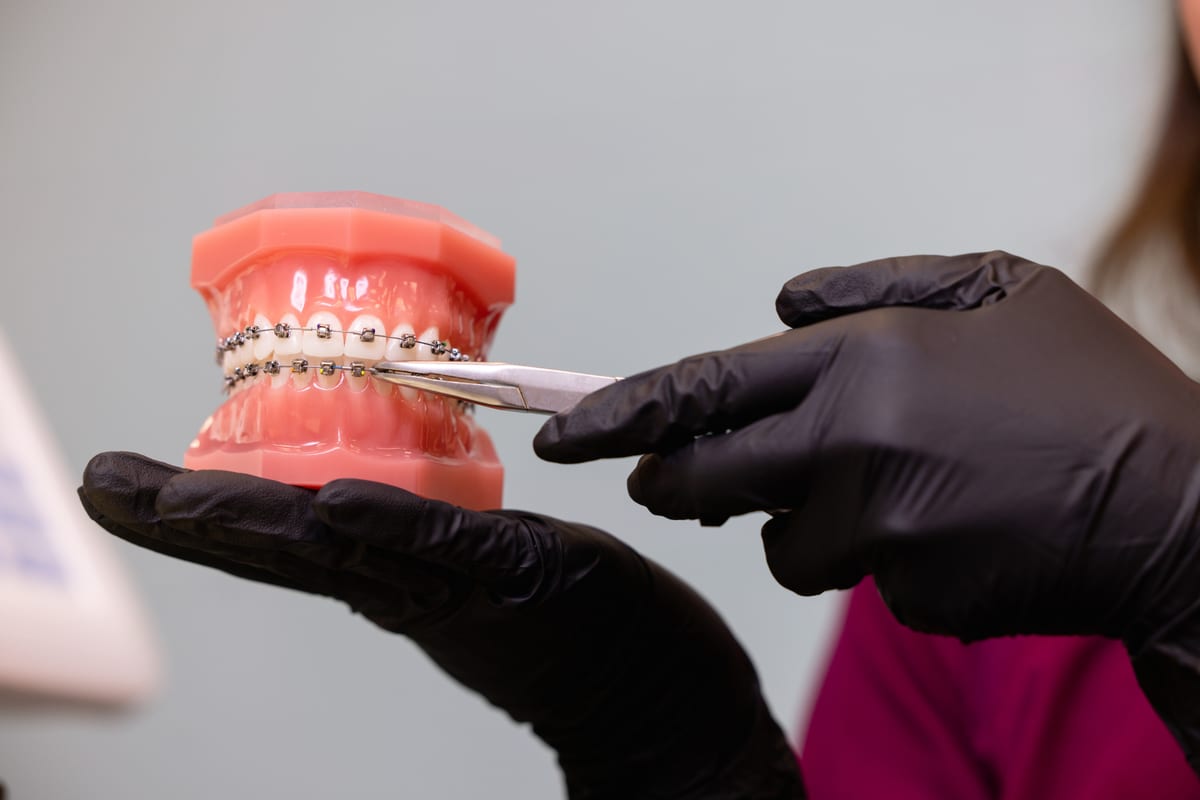
Braces are one of the most effective tools for correcting overbites in children. Traditional braces use brackets, wires, and elastic bands to gradually shift teeth into proper alignment. Here’s how braces can specifically address an overbite:
- Aligning Teeth: Braces help align both the upper and lower teeth, reducing the overlap and creating a balanced bite.
- Jaw Adjustment: In some cases, braces are paired with other orthodontic appliances, like rubber bands, to help move the upper and lower jaws into alignment.
- Guiding Growth in Younger Children: Orthodontic treatment often uses growth to its advantage. For children and preteens, braces can guide the development of the jaw and teeth to prevent more severe misalignment.
When Should Your Child See an Orthodontist?
The American Association of Orthodontists recommends that children have their first orthodontic evaluation by age 7. At this age, the orthodontist can assess the growth of the jaw and emerging teeth to identify any potential alignment issues. Early evaluation doesn’t necessarily mean early treatment, but it does allow the orthodontist to create a personalized treatment plan if needed.
Other Treatment Options for Overbites
Braces aren’t the only option for correcting an overbite in children. Depending on the severity and the child’s age, other options might include:
- Clear Aligners: While traditional braces are the most common treatment, clear aligners are an option for some children, though they may not be as effective for severe cases.
- Palatal Expanders: For younger children, an expander can help widen the upper jaw to create more space for incoming teeth, sometimes addressing alignment issues early.
- Retainers: Retainers are usually used after braces to maintain alignment, but some types of retainers can also help adjust a mild overbite.
The Benefits of Starting Treatment Early
Treating an overbite in childhood offers several advantages:
- Shorter Treatment Time: Addressing alignment issues early can reduce the total time needed for braces or other appliances.
- Utilizing Growth Spurts: Orthodontists can leverage natural growth to help correct jaw alignment, leading to better and faster results.
- Preventing Future Issues: Correcting an overbite early can prevent or lessen complications like gum disease, tooth wear, and TMJ issues as your child ages.
If you suspect your child may have an overbite, it’s never too early to schedule a consultation with an orthodontist. Early intervention can pave the way for a healthy, functional, and confident smile. While the prospect of braces might seem daunting, the benefits far outweigh any temporary discomfort, setting your child on the path to lifelong oral health and well-being.
By addressing an overbite with braces or other orthodontic solutions, you invest in your child’s health, confidence, and future smile!