March 26, 2023
Orthodontics

Are you tired of wearing braces for what seems like an eternity? You’re not alone! Orthodontic treatment can be a long and arduous process, but did you know some factors can impact the duration of your treatment? Several aspects can influence how quickly or slowly your orthodontist helps straighten your teeth, from genetics to compliance with recommended dental hygiene practices. Keep reading as we delve into the key elements that affect the time required for orthodontic care. By gaining insight into these factors, you’ll better understand what to expect from your upcoming journey toward achieving a straighter smile.
What Is Orthodontics Treatment?
Orthodontics treatment is the process of straightening teeth and correcting bite problems. The duration of treatment depends on the severity of the issue, the type of braces or other appliances being used, and the patient’s cooperation in following the orthodontist’s instructions. On average, patients wear braces for about two years, but some cases may be shorter or longer. Invisalign® clear aligners are an alternative to traditional braces that can correct bite issues and achieve straighter teeth. Treatment with Invisalign typically takes about a year, but this can vary depending on the individual case.
If you are considering orthodontic treatment to improve your smile, the best way to determine how long it will take is to consult an orthodontist. They will assess your specific case and provide an estimated treatment timeline.
Factors That Influence Treatment Duration
Many factors can influence the duration of your orthodontic treatment. Here are some of the most common:
1. The severity of your dental problem. More complex cases will take longer to treat than simpler ones.
2. Your age. Adults tend to need more extensive treatment than children or teens.
3. Whether you have had previous orthodontic treatment. If you have, your new treatment may be shorter since your teeth are partially aligned.
4. Your cooperation with the treatment plan. Wearing your braces as prescribed and coming in for all scheduled appointments will help ensure that treatment stays on track and doesn’t take any longer than necessary.
Severity Of The Condition Initially Present In The Mouth
The severity of the condition is initially present in the mouth is one of the most important factors that affect the duration of your orthodontic treatment. If you have a more severe case, it will likely take longer to treat. However, if you have a milder case, you may be able to finish treatment faster. The severity of your case will be determined by how much crowding or spacing is present in your mouth, how misaligned your teeth are, and how much overbite or underbite you have.
Age and Condition Of The Teeth, Gums, And Jawbone
Age and condition of the teeth, gums, and jawbone affect how long orthodontic treatment will take. Teeth that are severely misaligned or have been so for a long time may require more extensive treatment than those that are only slightly crooked. The same applies to patients with gum disease or other dental health issues. Jaw size and shape can also affect treatment time, as certain corrections may be more difficult to achieve than others. Ultimately, your orthodontist will be able to give you a more accurate estimate of treatment time once they have had a chance to assess your case. It has often been observed that children face difficulty maintaining oral health with braces than adults. It’s because of the food habits. Therefore, parents also must be aware of the food to keep their kids’ oral care healthy with braces.
Types Of Orthodontic Appliances Used To Correct The Problem
Many different types of orthodontic appliances can be used to correct the problem. The type of appliance that is used will depend on the severity of the problem and the individual’s oral health.
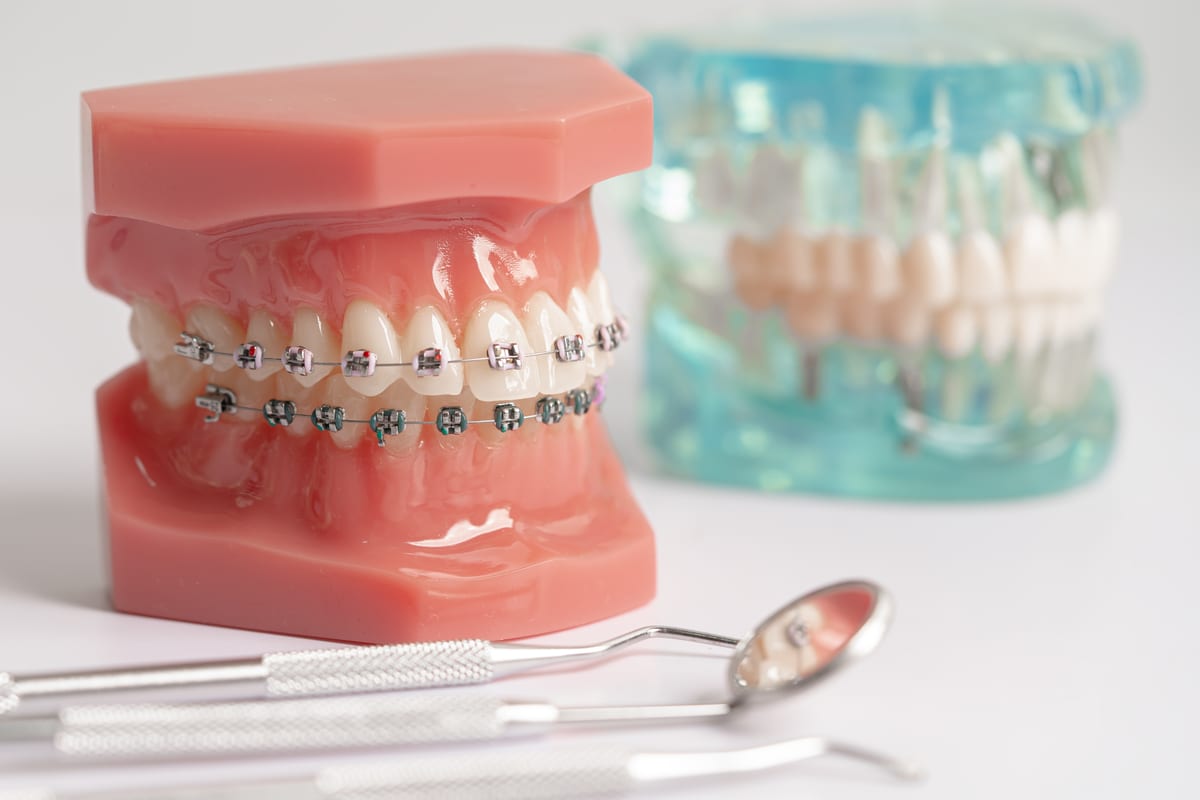
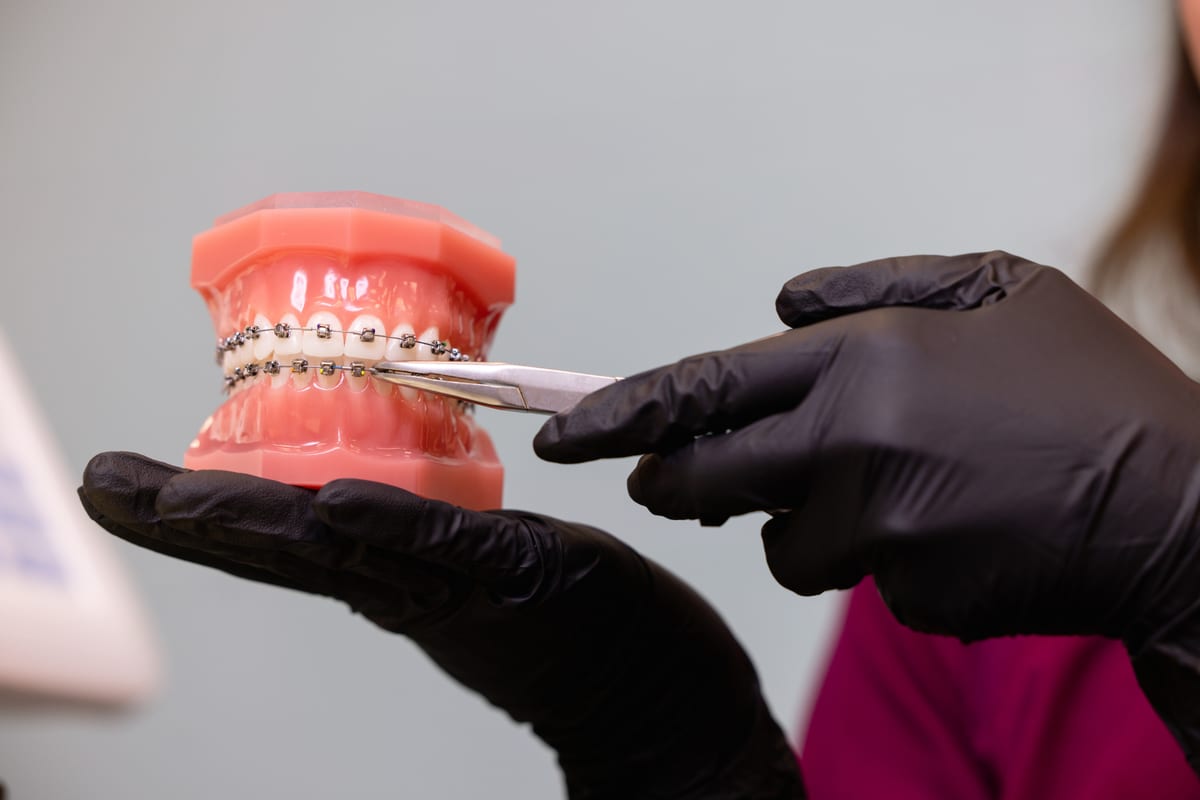
The most common type of appliance is braces. Braces are used to correct misaligned teeth and jaws. They can be made from metal, ceramic, or plastic. Metal braces are the most common type of braces. They are made from stainless steel and are strong and durable. Ceramic braces are made from a clear or tooth-colored material and are less visible than metal braces. Plastic braces are the least visible because they are clear or translucent.
Invisalign is another type of orthodontic appliance that is used to correct misaligned teeth. Invisalign uses a series of clear, removable aligners to straighten teeth gradually without metal brackets or wires. Patients must wear each set of aligners for about two weeks before moving on to the next set in the series. Invisalign treatment typically takes 9-15 months but can vary depending on the individual case.
Headgear is another orthodontic appliance used to correct severe cases of misaligned teeth and jaws. Headgear is a metal framework that attaches to the teeth with wires and straps around the head. Headgear must be worn for 12-14 hours daily to be effective.
Measures You Can Take to Speed Up the Process
There are a few things you can do to help speed up the process of your orthodontic treatment:
- Follow all of your orthodontist’s instructions carefully. This includes wearing braces for the prescribed amount each day, avoiding hard and sticky foods, and brushing and flossing regularly.
- Be diligent about attending all of your orthodontic appointments. Missed appointments will only extend the length of your treatment.
- Cooperate with your orthodontist during procedures such as tooth extractions or adjustments. The more cooperative you are, the faster the process will be.
Benefits of Early Treatment for Orthodontic Care
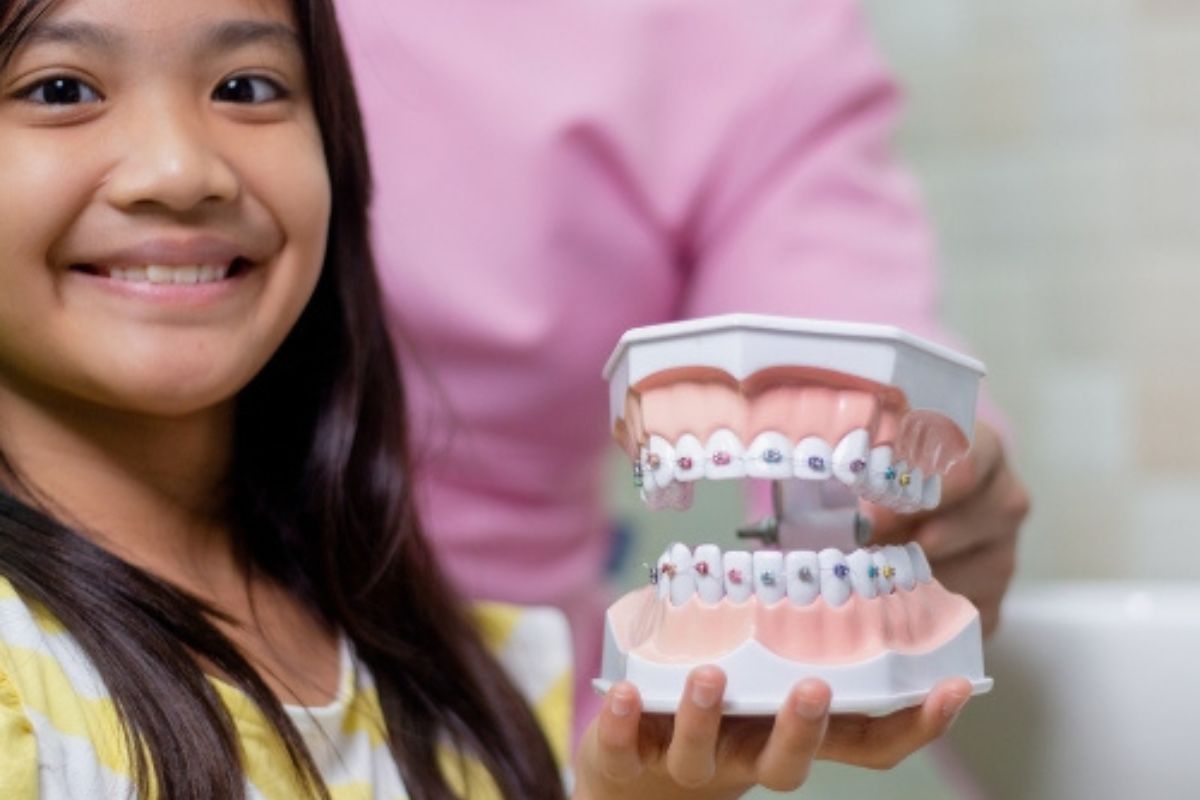
There are many benefits to starting orthodontic treatment early. We can often prevent more serious problems from developing by intercepting problems at an early age. Additionally, children’s jaws are still growing, and teeth are easier to move when they are younger. This can result in shorter overall treatment times. Early treatment can also improve the chances of achieving desirable results.
Intercepting Problems Early
By treating patients at an early age, we can prevent more serious problems from developing. This is because interceptive Orthodontic treatments guide jaw growth and development. Additionally, correcting minor problems early on can avoid the need for more drastic measures later on. For example, treating a child with a mild overbite early on can prevent it from becoming more severe.
Shorter Overall Treatment Times
Children’s bones are softer and easier to manipulate than those of adults. Additionally, their teeth have yet to fuse to the jawbone (a process that begins around age 12). This means that Orthodontic treatments are typically quicker and simpler for children than for adults.
Improved Results
Early treatment allows us to achieve results that might not be possible once the facial bones have finished growing. For example, if a child has crowding of the teeth, starting treatment early can prevent the need for tooth extractions down the line.
The Bottom Line
As you can see, many factors can affect the duration of your orthodontic treatment. However, as long as you practice good oral hygiene and maintain regular visits to your orthodontist, you should get through your treatment in a reasonable amount of time. The key is to stay on top of things and make sure that you follow all the instructions provided by your orthodontist so that you achieve the best possible results when it comes time for your braces or aligners to come off!
FAQs
1. How Long Will My Orthodontic Treatment Take?
The duration of orthodontic treatment varies depending on several factors, including the severity of your bite problem, the type of braces you choose, and your cooperation with the treatment plan. Metal braces generally take longer to correct bites than clear plastic aligners. For example, metal braces typically need to be worn for 18 to 24 months, while clear plastic aligners may only need to be worn for 12 months.
2. How Much Does Orthodontic Treatment Cost?
Orthodontic treatment costs can vary depending on the type of braces you choose and the severity of your bite problem. In general, metal braces are more expensive than clear plastic aligners. However, the total cost of treatment will also depend on your insurance coverage and any discounts your orthodontist may offer.
3. Will I Need To Wear A Retainer After Completing My Orthodontic Treatment?
Most patients will need to wear a retainer after their orthodontic treatment is complete to maintain their new smile. The type of retainer prescribed will depend on your individual needs and will be discussed with you by your orthodontist at the end of treatment.