March 18, 2025
Braces

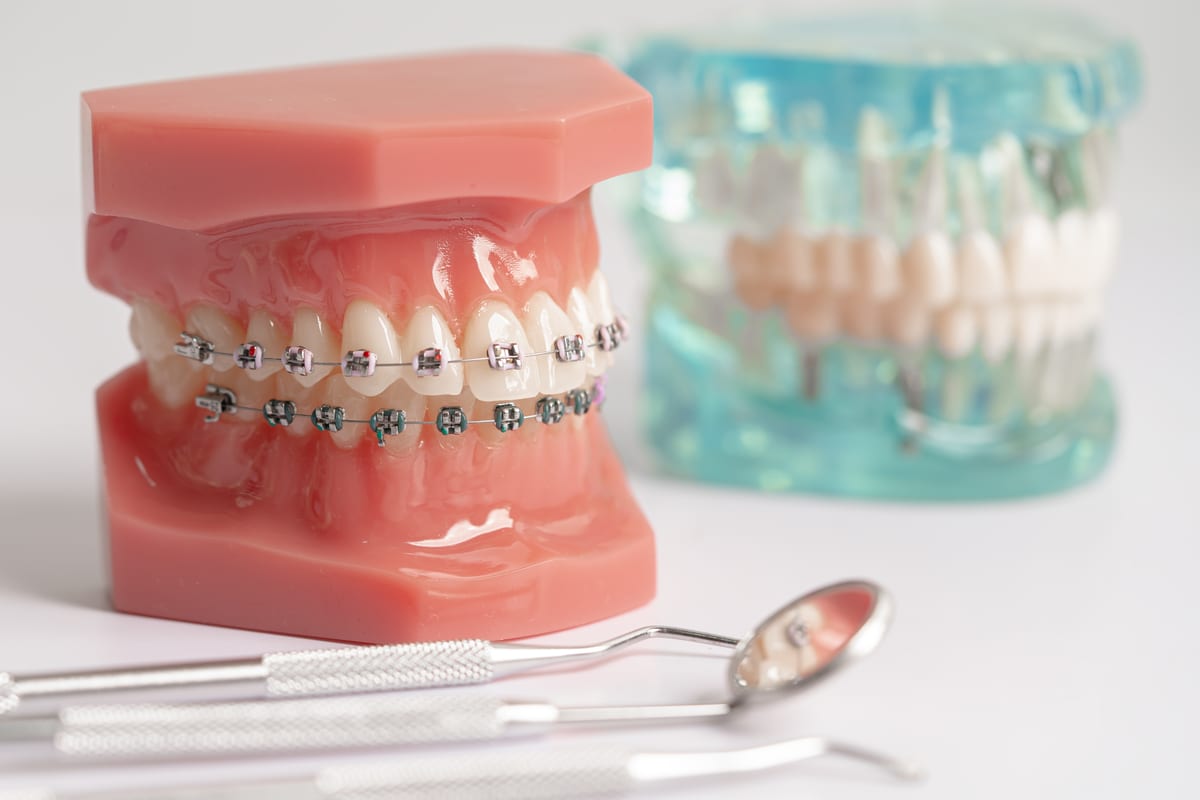
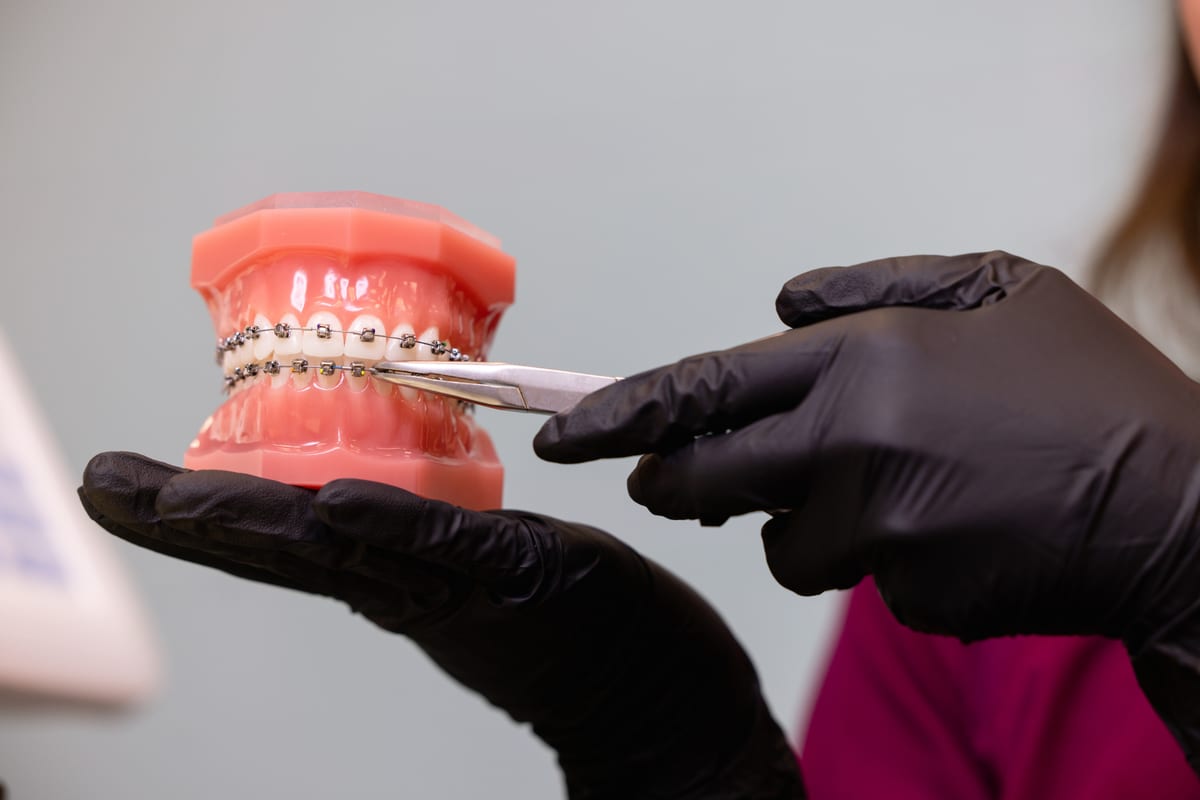
Braces are a common orthodontic treatment that helps straighten teeth and improve oral health. While they offer long-term benefits, the initial adjustment period can be challenging for children. Discomfort, dietary changes, and oral hygiene adjustments may make the transition difficult. However, with the right support and strategies, parents can help their children adapt to braces more comfortably. Here’s a comprehensive guide to making the process smoother for your child.
1. Prepare Your Child Before the Treatment
Preparation can ease your child’s anxiety about getting braces. Talk to them about why braces are necessary and how they will benefit their smile in the long run. You can also:
- Show them pictures of people with braces to normalize the experience.
- Explain the process in simple, reassuring terms.
- Highlight success stories of friends or family members who had braces.
2. Help Manage Initial Discomfort
Braces can cause mild pain and soreness, especially in the first few days after placement or adjustments. Here are some ways to help ease discomfort:
- Use Orthodontic Wax: Applying wax to the brackets can prevent irritation and reduce soreness in the cheeks and lips.
- Give Soft Foods: Stick to a diet of soft foods like yogurt, mashed potatoes, scrambled eggs, and smoothies to minimize chewing discomfort.
- Provide Pain Relief: Over-the-counter pain relievers, like ibuprofen or acetaminophen, can help manage soreness if needed (consult a dentist before giving medication).
- Use Cold Therapy: A cold compress or ice water can help numb pain and reduce inflammation.
3. Teach Proper Oral Hygiene Habits
Braces require extra care when it comes to oral hygiene. Food particles can get stuck easily, leading to plaque buildup and potential cavities. Help your child maintain good oral hygiene by:
- Encouraging brushing after every meal using a soft-bristled toothbrush.
- Teaching them to use an interdental brush or floss threaders to clean between the brackets.
- Providing fluoride mouthwash to strengthen teeth and prevent decay.
- Making sure they visit the orthodontist for regular cleanings and adjustments.
4. Adjust Their Diet to Prevent Damage
Certain foods can damage braces or make cleaning difficult. Help your child follow these dietary guidelines:
- Avoid Hard Foods: Nuts, popcorn, hard candies, and ice can break brackets or wires.
- Limit Sticky Foods: Chewing gum, caramel, and gummy candies can get stuck in the braces.
- Cut Food Into Smaller Pieces: Chop apples, carrots, and sandwiches into bite-sized pieces to reduce the pressure on brackets.
- Encourage Nutritious Choices: Smoothies, soups, and dairy products provide essential nutrients for strong teeth and gums.
5. Address Speech Adjustments
Some children may struggle with speaking clearly after getting braces, especially if they have rubber bands or other appliances. Encourage them to:
- Practice reading aloud to adjust to their new oral structure.
- Speak slowly and enunciate words carefully.
- Be patient with themselves—speech will improve as they get used to the braces.
6. Help Boost Their Confidence
Many children feel self-conscious about wearing braces. Boost their confidence by:
- Reminding them that braces are temporary and will lead to a beautiful smile.
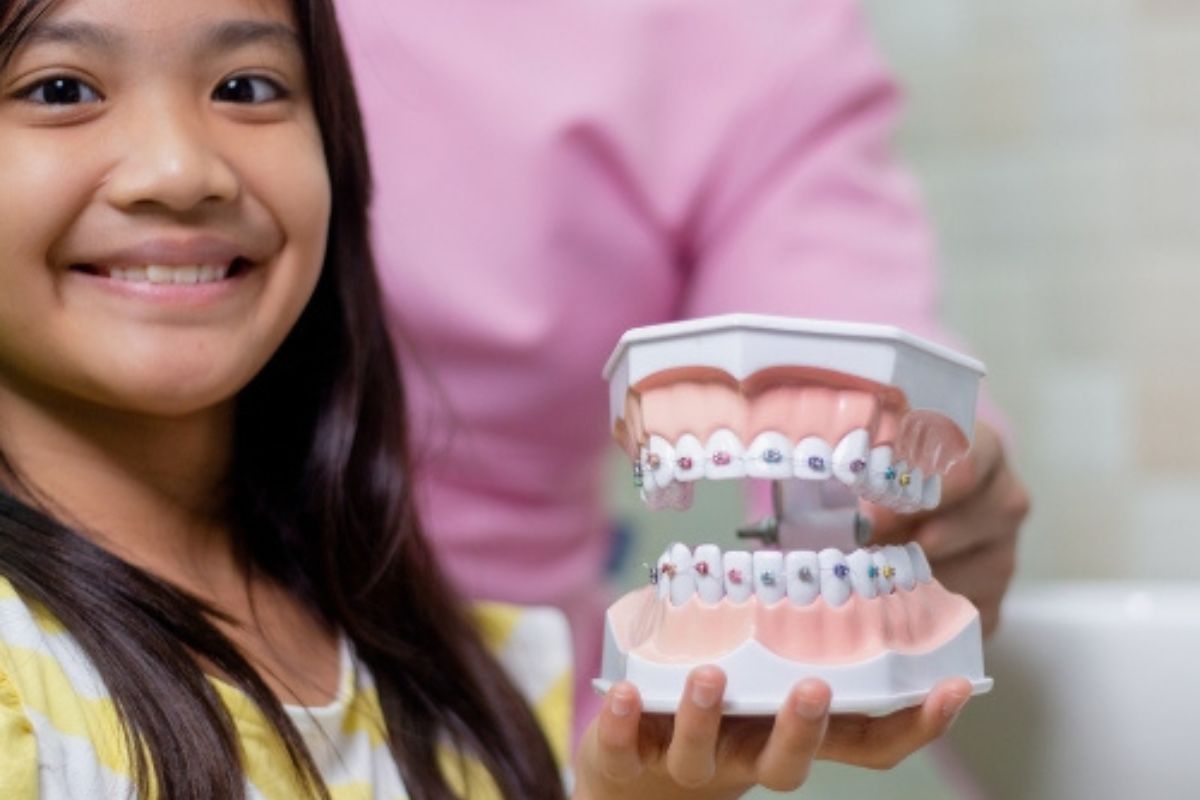
- Encouraging them to personalize their braces with fun-colored bands.
- Sharing pictures of celebrities and role models who wore braces.
- Celebrating their progress with small rewards or positive reinforcement.
7. Be Supportive and Encouraging
Your child may feel frustrated at times, especially during adjustments or minor discomforts. Offer encouragement by:
- Listening to their concerns and reassuring them that the discomfort is temporary.
- Praise their commitment to maintaining their braces.
- Reminding them that their orthodontic treatment will improve their smile and dental health in the long run.
8. Know When to Visit the Orthodontist
Regular orthodontic visits are essential, but sometimes unexpected issues arise. Schedule an appointment if your child experiences:
- A broken bracket or loose wire.
- Persistent pain that does not improve with home remedies.
- Difficulty eating or speaking due to braces.
- Any unusual sores or irritation in their mouth.
Adjusting to braces takes time, but with proper care, patience, and encouragement, your child will become more comfortable. By managing discomfort, maintaining good oral hygiene, and offering emotional support, you can help make their orthodontic journey a positive experience. Remember, every step brings them closer to a healthier, straighter smile!