April 3, 2025
Oral Health
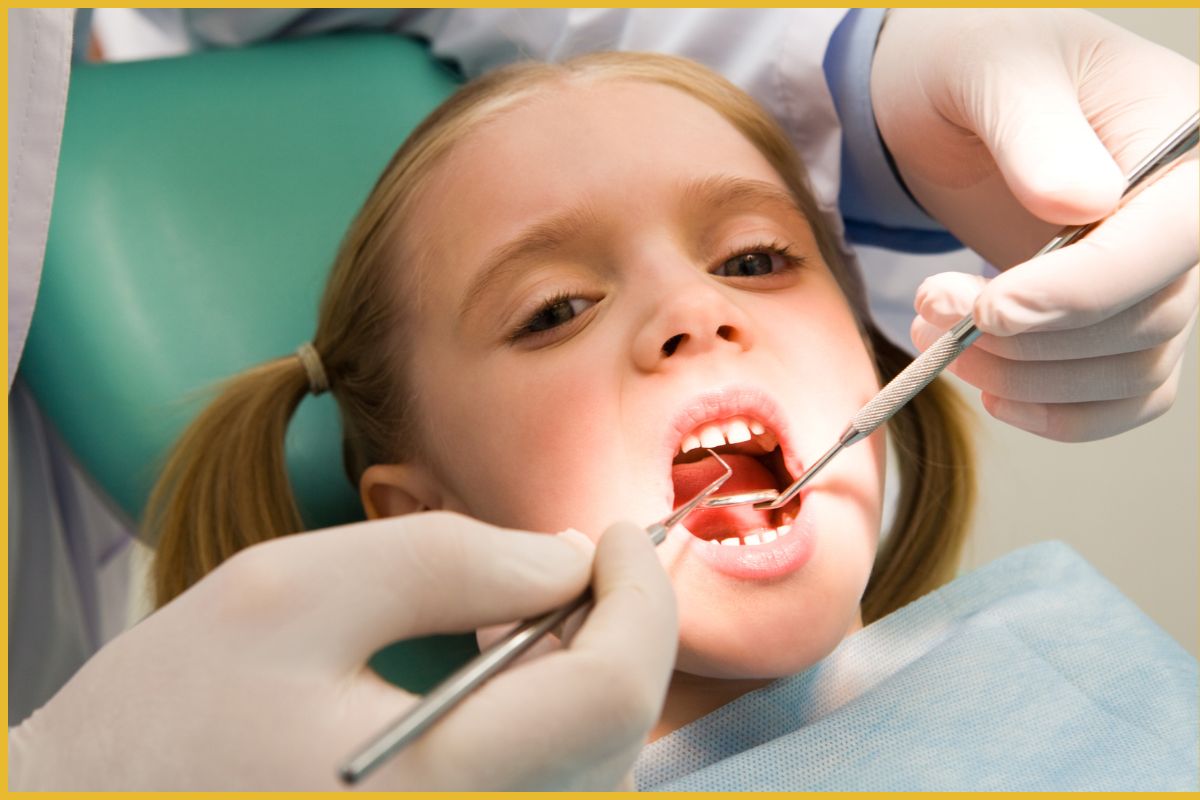
Cavities are one of the most common chronic diseases in children—but they often go unnoticed until they become more serious. Even with good brushing habits, kids are still at risk of developing tooth decay due to sugary diets, missed spots while brushing, and developing enamel. Catching a cavity early can help avoid pain, infection, and costly treatments.
As a parent, it’s important to recognize the early warning signs of a cavity and know what steps to take. In this blog, we’ll walk you through how cavities develop in children, common symptoms to look out for, and what to do if you suspect your child has one.
What Causes Cavities in Children?
Cavities (also known as dental caries) are permanently damaged areas in the hard surface of the teeth that develop into tiny holes. They are caused by a combination of factors including:
- Frequent consumption of sugary or acidic foods and drinks
- Poor oral hygiene habits
- Bacteria in the mouth producing acid that erodes tooth enamel
- Insufficient fluoride
Children are especially vulnerable because their enamel is softer and still developing, and they may not yet have the coordination or consistency to brush thoroughly every day.
Common Signs Your Child May Have a Cavity
Cavities don’t always show obvious symptoms at first. Early stages can develop quietly and painlessly. But as the cavity progresses, the signs become more noticeable. Here are some indicators that your child may have a cavity:
1. Tooth Sensitivity or Pain
If your child complains about a tooth hurting when eating sweets, cold foods, or hot beverages, this could be an early sign of tooth decay. Sensitivity is a result of enamel breakdown, which exposes the inner layers of the tooth.
2. Visible Spots or Holes on the Tooth
Check your child’s teeth regularly. Look for white, brown, or black spots—these discolorations can indicate enamel erosion or decay. In more advanced stages, you may even notice a small hole in the tooth.
3. Bad Breath or Unpleasant Taste
Persistent bad breath or a foul taste in the mouth, even after brushing, could point to a cavity or developing infection. Bacteria that cause decay can also cause odor.
4. Avoiding Chewing on One Side
Children may instinctively avoid chewing on a tooth that hurts. If you notice your child favoring one side of the mouth or having difficulty chewing, it might be due to dental pain.
5. Swollen or Bleeding Gums
Although more commonly associated with gum disease, swelling or bleeding around one specific tooth could be caused by a cavity irritating the gum tissue.
6. Irritability or Trouble Sleeping
Toothaches often get worse at night when your child is lying down. If your child is waking up in pain or seems unusually cranky without explanation, a cavity could be the culprit.
What to Do if You Suspect a Cavity
If your child shows any of the above signs, it’s important not to delay care. Cavities can progress quickly in children and lead to more serious problems like infections, abscesses, or even early loss of baby teeth—which can affect alignment of adult teeth.
Here are the steps to take:
1. Schedule a Dental Appointment Immediately
Your first move should be to visit a pediatric dentist. A thorough examination, possibly including X-rays, will help diagnose the cavity’s location and severity. The sooner the cavity is treated, the simpler and less invasive the solution will be.
2. Discuss Treatment Options
Depending on the severity of the cavity, treatment options may include:
- Fluoride treatments for early-stage enamel weakening
- Fillings for more developed cavities
- Crowns if the damage is extensive
- Pulp therapy (baby root canal) for infections inside the tooth
Your dentist will recommend the most appropriate treatment to save the tooth and prevent future issues.
3. Improve At-Home Dental Care
After treatment, focus on reinforcing good oral hygiene habits at home:
- Brush twice a day with fluoride toothpaste
- Floss daily once teeth start touching
- Limit sugary snacks and drinks
- Ensure your child drinks plenty of water, especially fluoridated tap water
Your dentist may also suggest applying dental sealants to protect your child’s molars, which are most prone to cavities.
Preventing Cavities in the Future
Preventive care is key to keeping your child’s teeth healthy. Here are some proactive steps every parent should consider:
- Start dental visits early – by age 1 or within 6 months of the first tooth
- Encourage regular brushing and flossing – make it a fun, daily routine
- Watch your child’s diet – cut back on juice, soda, and sticky snacks
- Use fluoride – through toothpaste and drinking water to strengthen enamel
- Schedule routine cleanings – typically every 6 months to catch problems early
The earlier you instill healthy habits, the more likely your child is to carry them into adulthood.
Cavities in children are common, but they don’t have to be inevitable. By learning to spot the signs of tooth decay early and taking swift action, you can help your child avoid pain, preserve their baby teeth, and set the foundation for lifelong oral health.
If you suspect your child may have a cavity or if it’s time for their regular check-up, don’t wait. Visit at 4111 Southwest Pkwy Suite #500, Wichita Falls, TX 76308 to get expert pediatric dental care from a team that’s dedicated to your child’s healthy smile.