February 25, 2025
Orthodontics

Orthodontic treatment is often associated with teenagers, but in many cases, early intervention can be beneficial for a child’s oral health and development. The American Association of Orthodontists recommends that children have their first orthodontic evaluation by age 7. At this stage, an orthodontist can identify potential issues and determine if early treatment is necessary. Here are some signs that may indicate your child needs early orthodontic care.
1. Crowded or Misaligned Teeth
If your child’s teeth appear overly crowded, overlapping, or misaligned, it could indicate that there isn’t enough space in the jaw for proper alignment. Early treatment can help guide the development of the jaw and create room for permanent teeth.
2. Early or Late Loss of Baby Teeth
Losing baby teeth too early or too late can affect how permanent teeth emerge. If teeth fall out prematurely, adjacent teeth may shift, causing alignment issues. Conversely, if baby teeth remain in place for too long, they may obstruct permanent teeth from erupting correctly.
3. Difficulty in Chewing or Biting
Children who struggle with chewing or frequently bite their cheeks or tongue may have misaligned teeth or bite problems. This can lead to discomfort and difficulty eating properly.
4. Protruding Teeth
Teeth that stick out too far forward, especially in the upper jaw, can be more susceptible to injury. Protruding teeth may also indicate an improper bite or jaw growth discrepancies.
5. Thumb Sucking or Prolonged Pacifier Use
Frequent thumb sucking or extended pacifier use beyond age 3 can impact the alignment of teeth and jaw development, potentially leading to an open bite or other orthodontic concerns.
6. Speech Difficulties
Certain speech problems, such as lisping or difficulty pronouncing specific sounds, may be linked to improper dental alignment. Orthodontic treatment can help correct these issues by improving the positioning of the teeth and jaw.
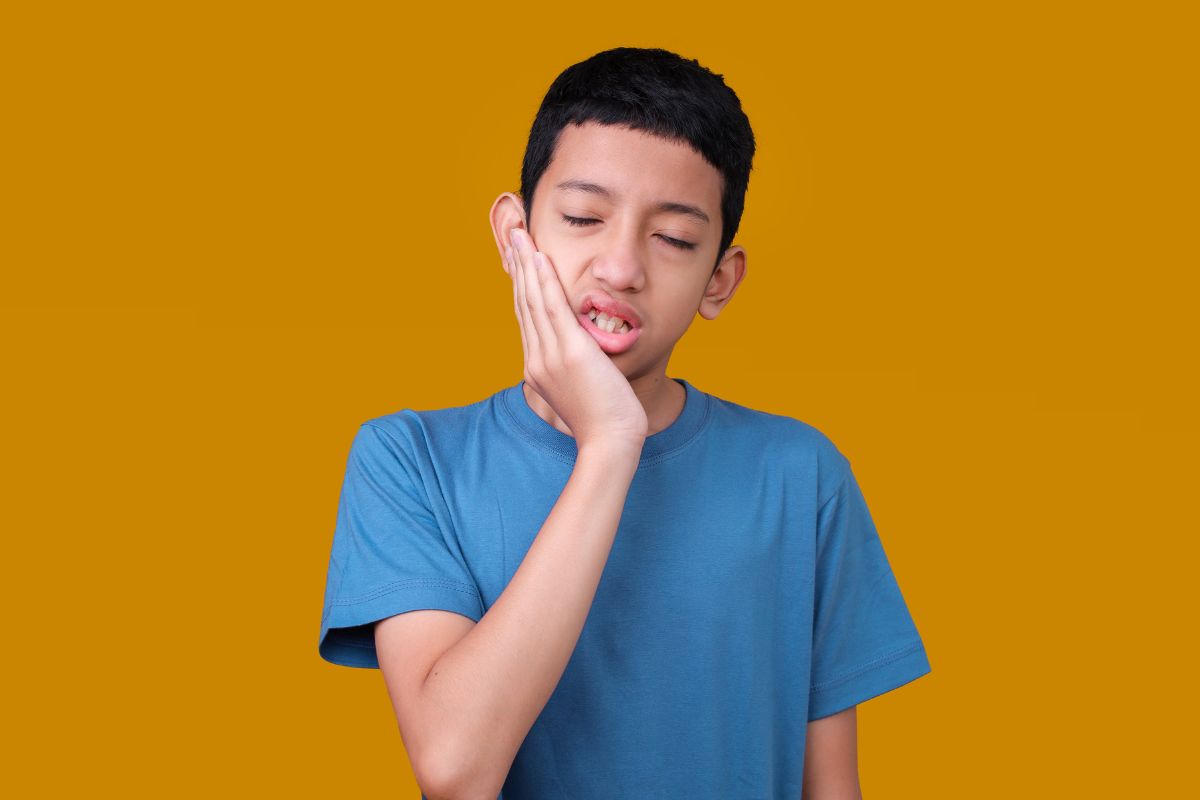
7. Jaw Pain or Popping Sounds
If your child frequently complains of jaw pain, experiences clicking or popping noises when opening or closing their mouth, or has difficulty moving their jaw, it may indicate an underlying orthodontic issue that needs attention.
8. Mouth Breathing
Chronic mouth breathing, particularly during sleep, can be a sign of jaw or airway development issues. Orthodontic treatment may help correct structural problems that contribute to breathing difficulties.
9. Irregular Bite Alignment
An overbite, underbite, crossbite, or open bite can affect both function and aesthetics. Addressing these bite problems early can prevent more serious complications later in life.
Why Early Orthodontic Treatment Matters
Early orthodontic intervention can help correct problems before they become more severe, reducing the need for more extensive treatment in the future. By guiding jaw development, ensuring proper tooth alignment, and addressing functional concerns, early treatment can lead to a healthier and more confident smile for your child.
If you notice any of these signs in your child, consider scheduling a consultation with an orthodontist. A professional evaluation will determine whether early treatment is necessary to promote optimal oral health and development.