December 5, 2024
Oral Health
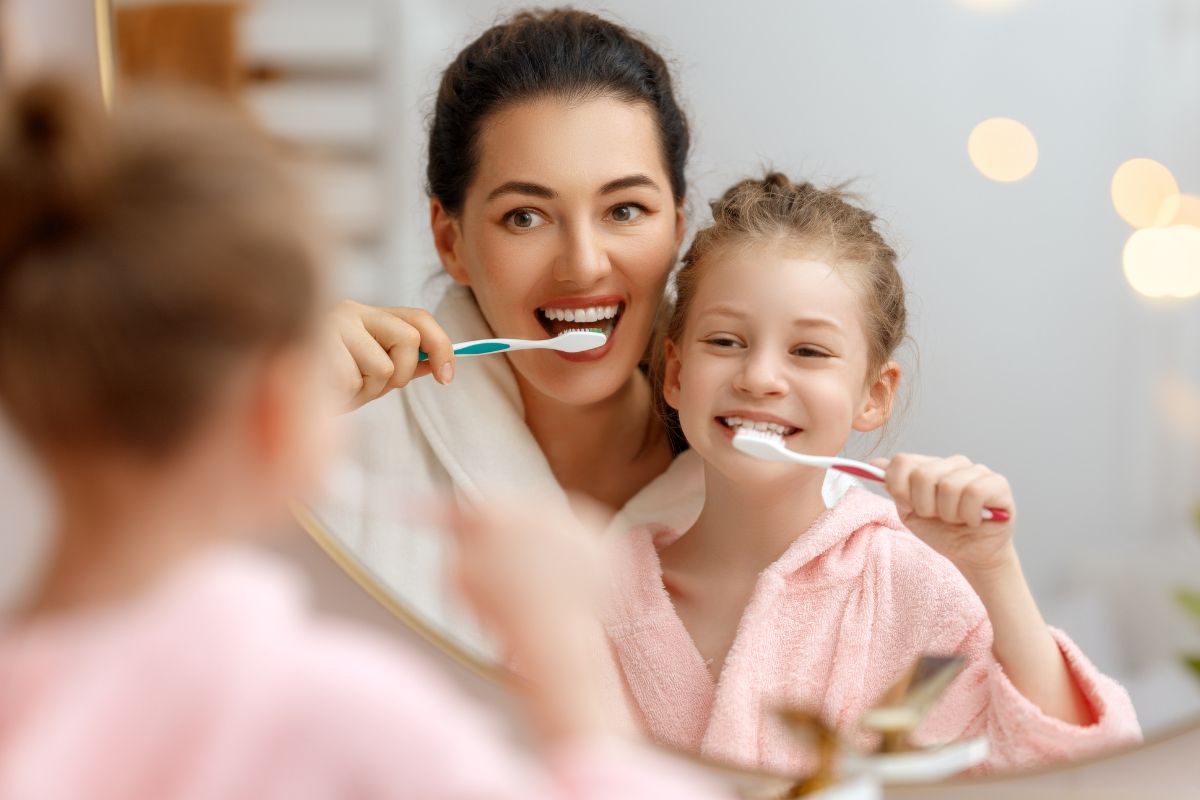
Maintaining good oral hygiene is essential for your child’s overall health, and developing healthy habits early can set the foundation for a lifetime of healthy smiles. As a parent, you play a crucial role in teaching your child how to care for their teeth and gums. While regular dental check-ups are important, there’s a lot you can do at home to keep your child’s teeth healthy. Here are 10 tips to help you care for your child’s teeth and ensure they have a bright, healthy smile for years to come.
1. Start Brushing Early
Even before your child’s first tooth appears, you can begin caring for their mouth. Gently wipe their gums with a soft, damp washcloth after feedings to remove any lingering sugars and bacteria. Once teeth start to come in, begin brushing with a soft-bristled toothbrush and a tiny smear of fluoride toothpaste. This will help prevent plaque buildup and set the stage for good brushing habits.
2. Brush Twice a Day
As soon as your child has two teeth that touch, it’s time to start brushing twice a day—morning and night. At first, you’ll need to help your child brush their teeth, but as they get older, encourage them to take over with your supervision. Make sure they brush for at least two minutes each time, reaching all surfaces of their teeth. Be patient as they develop their brushing skills, as it can take a few years for them to master proper technique.
3. Use the Right Toothpaste
Choose toothpaste that’s appropriate for your child’s age. For children under three, use a pea-sized amount of fluoride toothpaste with no more than 1,000 ppm (parts per million) fluoride. For children older than three, you can increase the fluoride content to help strengthen their enamel and prevent cavities. Be sure to supervise your child while brushing to ensure they don’t swallow the toothpaste.
4. Floss Daily
Flossing is just as important as brushing for maintaining good oral health. Once your child’s teeth start to touch, begin flossing daily to remove food particles and plaque between the teeth that brushing can’t reach. You can start with floss picks to make it easier or use traditional dental floss if your child is comfortable with it. Helping them develop this habit early will ensure they continue to floss as they grow older.
5. Limit Sugary Snacks and Drinks
One of the biggest culprits in tooth decay is sugar. Try to limit sugary foods and beverages, such as candy, soda, fruit juices, and sugary snacks. If your child consumes these items, encourage them to drink water afterward to rinse their mouth. Instead, offer healthier snacks like fruits, vegetables, nuts, and cheese, which are beneficial for their teeth and overall health. Water is always the best drink for your child’s teeth!
6. Encourage Healthy Snacks
In addition to limiting sugary snacks, try to make healthy snacks fun for your child. Carrot sticks, apple slices, cheese, and yogurt are great options for promoting strong teeth. These foods help clean teeth as they’re eaten and provide nutrients like calcium and vitamins that are essential for healthy tooth and bone development.
7. Make Brushing Fun
Children are more likely to embrace good oral hygiene habits when it’s fun. Use a toothbrush that your child enjoys—one with their favorite character or a bright color. Play music or make a game out of brushing to keep them engaged. You can also encourage them with rewards, like a sticker chart or a small treat after consistently brushing well. The key is to create a positive experience around brushing so they develop lifelong habits.
8. Monitor Pacifier Use and Thumb Sucking
While sucking on a pacifier or thumb can be comforting for babies, prolonged use can affect the alignment of their teeth and the development of their mouth. If your child uses a pacifier, aim to wean them off it by age two. Similarly, if your child is sucking their thumb, gently encourage them to stop to avoid any long-term dental issues, such as misaligned teeth or an overbite.
9. Visit the Dentist Regularly
Regular dental check-ups are essential for preventing tooth decay and identifying potential dental issues early on. The American Dental Association (ADA) recommends taking your child to the dentist by their first birthday or within six months of their first tooth erupting. After that, aim for a check-up every six months, where your child’s dentist can monitor their oral development, clean their teeth, and offer tips for maintaining healthy teeth at home.
10. Protect Teeth with Sealants
Dental sealants are preventive treatments that can help protect your child’s teeth from cavities. Sealants are thin, protective coatings applied to the chewing surfaces of the back teeth where cavities are most likely to form. Ask your child’s dentist if sealants are appropriate for your child. They can be a great way to protect their teeth, especially as they start chewing tougher foods and exploring their independence.
Keeping your child’s teeth healthy at home requires consistency, patience, and a little creativity. By helping your child develop good oral hygiene habits early, you can ensure they have a lifetime of strong, healthy teeth. Regular brushing, flossing, healthy eating, and routine dental visits will not only keep their teeth looking great but will also protect them from cavities, gum disease, and other oral health problems. With these 10 tips, you’ll be well on your way to raising a child with a bright, confident smile!
If you need more guidance on children’s dental care or want to schedule a dental check-up for your child, don’t hesitate to contact your local kid’s dentist today!