November 19, 2024
Kids Dental CheckUps

Teething is an exciting yet challenging milestone in your baby’s early years. As their little teeth start pushing through the gums, it can lead to discomfort and irritability, making both babies and parents feel the strain. While teething is a natural part of development, there are several ways to help soothe your baby’s aching gums. In this blog, we’ll explore what to expect during teething and share practical tips to help alleviate your baby’s discomfort.
What Is Teething and When Does It Happen?
Teething typically begins between 4 to 7 months of age, though some babies may start earlier or later. During this time, the primary (baby) teeth begin to break through the gums, causing irritation and soreness. The process continues until around the age of 2 to 3 years, when most children have their full set of baby teeth.
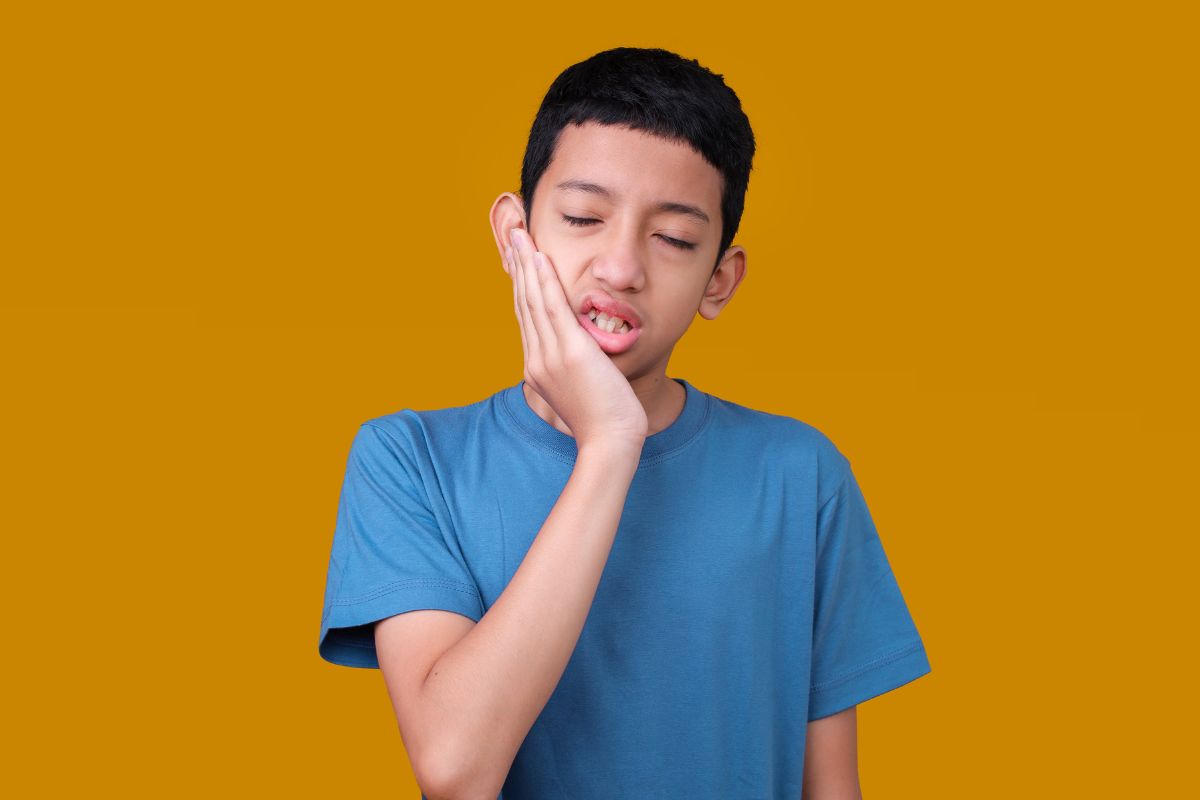
While teething is a normal developmental phase, the pressure from emerging teeth can make your baby’s gums swollen, tender, and sometimes inflamed. This can lead to a range of symptoms, including drooling, fussiness, and a desire to chew on anything within reach.
Common Teething Symptoms to Watch For
Before diving into soothing techniques, it’s helpful to recognize the signs of teething. Common symptoms include:
- Swollen, red, or tender gums
- Increased drooling
- Fussiness or irritability
- Chewing or gnawing on objects
- Disturbed sleep patterns
- Loss of appetite
- Mild fever (although high fever is not typical of teething and should be checked by a Kid-Friendly dentist)
If your baby seems unusually uncomfortable, it’s always a good idea to check with your Kid-Friendly dentist to rule out other health concerns.
Tips for Soothing Your Baby’s Aching Gums
Luckily, there are several ways to ease your baby’s discomfort during the teething process. Here are some practical tips:
1. Provide a Teething Toy
One of the best ways to soothe sore gums is with a teething toy. Look for toys made from soft rubber or silicone that are specifically designed for teething babies. These toys are safe for your baby to chew on and can provide relief by gently massaging the gums. Chilled (but not frozen) teething rings are particularly effective because the cold helps numb the area and reduce inflammation.
2. Gentle Gum Massage
Using a clean finger or a soft, damp washcloth, gently massage your baby’s gums. The pressure from your finger can help relieve some of the discomfort caused by the emerging teeth. Make sure your hands are clean to avoid introducing any bacteria.
3. Cold Items for Relief
Cold items can help numb your baby’s gums and offer instant relief. Chilled washcloths, refrigerated teething rings, or even a cold spoon can work wonders. Ensure that whatever you offer is not frozen, as extremely cold objects can harm your baby’s delicate gums.
4. Offer Cold Foods (for Older Babies)
Once your baby is eating solid foods (around 6 months), offering chilled foods can also help. Cold purees, chilled fruits (like apple slices or cucumber), or even a cold, unsweetened yogurt can be soothing. Just be sure to supervise your baby while they are eating to avoid eating hazards.
5. Pain Relief Options
For particularly fussy babies, you may want to consult your Kid-Friendly dentist about using over-the-counter pain relief, such as infant acetaminophen or ibuprofen. These medications can help reduce pain and inflammation, making your baby more comfortable. Always follow the recommended dosage and speak with your Kid-Friendly dentist before administering any medication.
6. Teething Tablets and Gels
Some parents opt for toothpaste gels or homeopathic toothpaste tablets that can be applied directly to the gums. If you choose to go this route, ensure the product is specifically formulated for babies, and check with your Kid-Friendly dentist to confirm it’s safe. Avoid products containing benzocaine, as they can cause serious side effects in infants.
7. Distraction and Comfort
Sometimes, all your baby needs is a little extra comfort and distraction. Holding your baby, rocking them gently, or offering them a favorite toy can help them feel more secure and distracted from their discomfort. A little extra cuddling and reassurance can go a long way in soothing your baby’s teething troubles.
When to Call the Doctor
In most cases, teething is a manageable process, but there are times when you should seek medical advice. If your baby experiences severe discomfort, high fever (above 101°F), diarrhea, or if their symptoms last longer than a few days, it’s important to consult your Kid-Friendly dentist. These could be signs of an underlying issue that needs medical attention.
Teething and Oral Care
As your baby’s teeth begin to emerge, it’s also a good time to start practicing good oral hygiene. Even before the first tooth appears, gently wipe your baby’s gums with a soft, damp cloth after feedings to remove bacteria and food particles. Once their first tooth emerges, begin brushing with a soft baby toothbrush and a rice-sized amount of fluoride toothpaste.
Teething can be tough on both babies and parents, but with the right strategies, you can help alleviate your baby’s discomfort and make the process a little easier. Providing soothing options like teething toys, gentle massages, and cold items, along with offering plenty of comfort, will help your baby navigate this important stage in their development.
Remember, while teething can cause temporary pain, it’s a sign of healthy growth and is just one of many milestones your baby will reach. If you have concerns or questions about your baby’s teething process, don’t hesitate to reach out to your Kid-Friendly dentist for guidance.