March 11, 2023
Emergency Dentistry
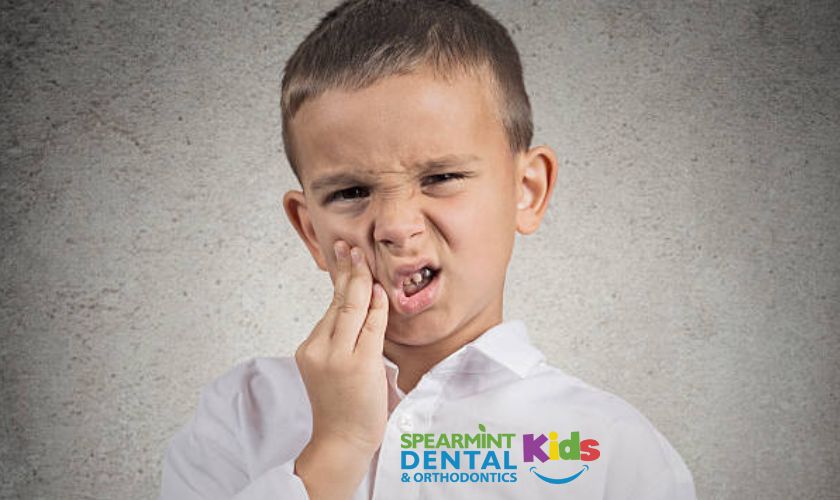
From a minor toothache to serious dental trauma, there’s nothing more stressful for a parent than dealing with a dental emergency. Not only can it be painful and costly, but it can also be traumatic for your child. But did you know that many of these emergencies are preventable? Yes! Adopting some simple habits and practices can help your child avoid the most common dental issues and keep their smile healthy and happy. In this post, we’ll share the top 4 ways to protect your child from dental emergencies and set them up for success in their oral health journey.
Dental Emergency
One of the best things you can do for your child’s teeth is to prevent problems before they start. And one of the best ways to do that is to have early childhood dental visit.
But what can you do if your child does have a dental emergency?
Here are some tips:
If your child has a toothache, rinse the area around the tooth with warm water and have them chew on sugar-free gum to help relieve pain. You can also put a cold compress on their cheek.
If your child has knocked out a tooth, try to find the tooth and bring it with you to the dentist. If you can’t find it, don’t worry – the dentist can replant the tooth.
If your child has bitten their tongue or lip, clean the area with a cloth and put a cold compress on it to reduce swelling.
And finally, if your child has something stuck in their teeth, try to remove it with floss (be careful not to damage their gums). If you can’t get it out, bring them to the dentist.
1. Brush and Floss Routine
When preventing dental emergencies, a good brush and floss routine is key. Here are a few tips to help you get started:
1. Use a soft-bristled toothbrush and gentle circular motions when brushing.
2. Be sure to brush all surfaces of the teeth, including the fronts, backs, and tops.
3. Floss at least once a day using an up-and-down motion.
4. Rinse with water after brushing and flossing to remove any remaining debris.
5. Lastly, visit your dentist regularly for checkups and cleanings.
2. Healthy Eating Habits
When it comes to healthy eating habits, prevention is key. By teaching your child early on about the importance of good oral hygiene and proper nutrition, you can help avoid dental emergencies. Here are some tips to get you started:
1. Encourage your child to brush their teeth twice daily with fluoride toothpaste.
2. Help them develop a consistent flossing routine.
3. limit sugary snacks and drinks throughout the day.
4. Promote a balanced diet of fresh fruits, vegetables, and whole grains.
5. Schedule regular dental checkups so that any potential problems can be caught early on.
3. Regular Dental Checkups
It’s important to take your child for regular dental checkups, even if they seem to be taking good care of their teeth. These appointments allow the dentist to examine your child’s teeth and gums for any signs of problems and professionally clean their teeth. Also, it helps restore your child’s baby teeth from decay.
During a dental checkup, the dentist will usually:
- Examine your child’s teeth and gums
- Check for any signs of tooth decay or gum disease
- Remove any plaque or tartar from their teeth
- Offer advice on how to keep their teeth and gums healthy
4. Avoiding Bad Habits Such as Chewing Hard Objects and Thumb Sucking
Bad habits such as chewing hard objects and thumb sucking can lead to dental emergencies. To help your child avoid these problems, you should take steps to prevent them from happening in the first place.
You can start by teaching your child not to chew on hard objects, such as pencils or fingernails. Chewing on these things can damage the teeth and lead to pain or infection. If your child cheats on something hard, ensure they understand the importance of cleaning their teeth thoroughly afterward.
You should also discourage your child from sucking their thumb. Thumb sucking can cause the teeth to become misaligned. If your child sucks their thumb, you can try putting a bandage on it or painting it with bitter-tasting nail polish to discourage them.
If you take these steps to prevent bad habits, you can help your child avoid dental emergencies.
Summary
Preventive measures are key to avoiding dental emergencies in your child’s mouth. Proper tooth brushing and flossing, limiting sugary snacks and drinks, regular checkups with the dentist, using protective gear during sports activities, and teaching them good oral hygiene habits are essential for a parent to ensure their child has healthy teeth in the future. With these tips, you can confidently help your child stay safe from unexpected dental problems.
FAQs
1. What are the most common dental emergencies?
The most common dental emergency is a toothache, which several factors, including tooth decay, a cracked tooth, or an infection, can cause. Common dental emergencies include chipped or broken teeth, gum disease, and abscesses.
2. How can I prevent dental emergencies?
There are a few things you can do to prevent dental emergencies:
- Brush and floss your teeth regularly.
- See your dentist for regular checkups and cleanings.
- Avoid smoking and using tobacco products.
- Eat a healthy diet.
Additionally, wear a mouthguard to protect your teeth from injury if you play sports.
3. What should I do if I have a dental emergency?
If you have a dental emergency, the first thing you should do is contact your dentist. If you are experiencing pain, take ibuprofen (Advil) or acetaminophen (Tylenol) to help manage the pain until you can see your dentist. If you have a chipped or broken tooth, save any pieces of the tooth that you can find and rinse your mouth with warm water. Apply pressure to any bleeding with gauze or a clean cloth. Visit the nearest hospital emergency room for serious emergencies like an abscessed tooth.