June 10, 2024
Dental Sealants
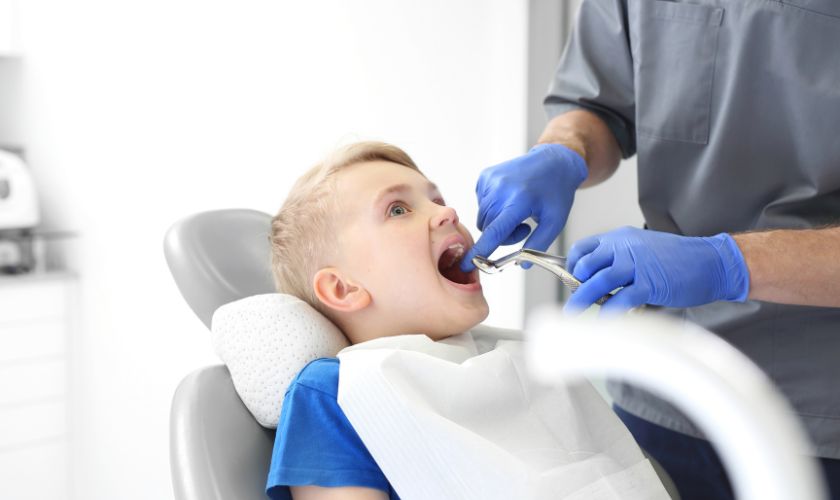
Dental sealants are a highly effective preventative measure used in dentistry to protect teeth from cavities and decay. They are especially beneficial for children and teenagers, but they can also be advantageous for adults. This blog explores the numerous advantages of dental sealants, explaining why they are a valuable addition to your oral care routine.
What are dental sealants?
Dental sealants are thin, protective coatings applied to the chewing surfaces of the back teeth (molars and premolars). These surfaces are particularly prone to cavities due to their deep grooves and pits, where food particles and bacteria can easily accumulate. Sealants form a smooth, protective barrier over these areas, preventing decay.
How Are Dental Sealants Applied?
The application of dental sealants is a quick, painless process.
- Cleaning: The dentist thoroughly cleans the teeth to remove any plaque and food particles.
- Drying: The teeth are dried, and an absorbent material is placed around them to keep them dry.
- Etching: An acidic gel is applied to the chewing surfaces to roughen them up, which helps the sealant bond to the tooth.
- Rinsing and Drying: The gel is rinsed off, and the teeth are dried again.
- Application: The sealant material is painted onto the tooth enamel, where it bonds directly and hardens.
Once applied, the sealant forms a protective shield over the enamel of each tooth.
Advantages of Dental Sealants
1. Preventing Cavities
- Primary Benefit: The most significant advantage of dental sealants is their ability to prevent cavities. By providing a protective barrier, sealants keep food particles and bacteria from settling into the grooves and pits of teeth, where decay often starts.
2. Easy and Painless Application
- Comfort: The process of applying dental sealants is quick and painless, typically taking only a few minutes per tooth. There’s no need for drilling or anesthesia, making it an ideal procedure for children and those anxious about dental treatments.
3. Long-Lasting Protection
- Durability: Dental sealants can last several years, often up to 10 years, with proper oral hygiene and regular dental check-ups. Over time, the dentist can check the condition of the sealants and reapply them if necessary.
4. Cost-Effective Preventative Measure
- Savings: Investing in dental sealants can save you money in the long run by preventing cavities and the need for more extensive dental treatments such as fillings, crowns, or root canals. Sealants are typically covered by dental insurance plans, particularly for children.
5. Beneficial for Both Children and Adults
- Versatility: While dental sealants are most commonly applied to children’s teeth to protect their newly erupted permanent molars, they can also be beneficial for adults who are prone to cavities or have deep grooves in their teeth.
6. Complementing Oral Hygiene Practices
- Enhanced Protection: Sealants add an extra layer of protection beyond regular brushing and flossing. They are particularly effective in areas that are difficult to clean thoroughly with a toothbrush.
7. Preventing Food Impaction
- Clean Teeth: By filling in the deep grooves and pits on the chewing surfaces, sealants help prevent food from getting trapped, reducing the risk of plaque buildup and decay.
8. Reducing Tooth Sensitivity
- Comfort: Sealants can help reduce sensitivity in the teeth by covering exposed areas that might otherwise react to hot, cold, or sweet foods and drinks.
9. Promoting Overall Oral Health
- Preventative Care: By protecting teeth from decay, sealants contribute to better overall oral health, reducing the likelihood of gum disease and other dental problems.
Conclusion
Dental sealants are a simple, effective, and cost-efficient way to protect your teeth from cavities and decay. Their painless application process, long-lasting protection, and versatility make them an excellent preventative measure for both children and adults. Incorporating dental sealants into your oral care routine can provide significant benefits, enhancing your overall dental health and saving you from more complex and costly treatments in the future. If you’re interested in dental sealants for yourself or your child, talk to your dentist to see if they are the right option for you.