April 24, 2025
Oral Health
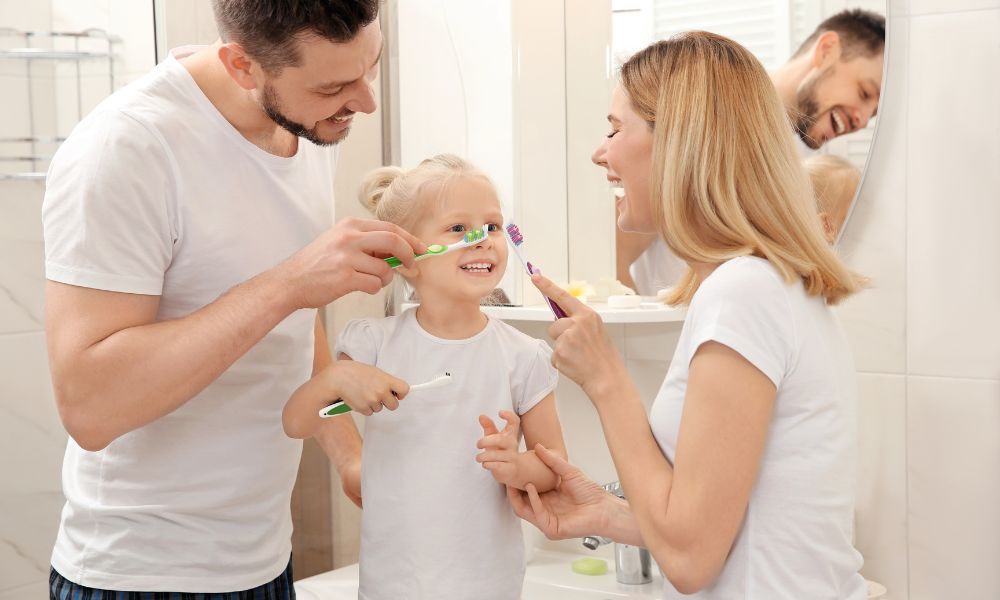
Taking care of your baby’s oral health from the start is crucial for ensuring strong, healthy teeth as they grow. Even though baby teeth are temporary, they play an essential role in your child’s development, including speech and proper chewing. Starting good oral hygiene early also sets the foundation for lifelong dental health. But when it comes to cleaning your baby’s teeth, many parents wonder: What should I use?
Here’s a guide to help you understand the best tools and practices for cleaning your baby’s teeth.
1. Start with a Soft, Damp Cloth
Before your baby’s first teeth emerge, you can start cleaning their gums. This helps remove bacteria and get your baby accustomed to oral care. Use a soft, damp cloth or gauze to gently wipe your baby’s gums after feedings and before bed. This practice can reduce bacteria that could harm erupting teeth and promote healthy oral habits.
- How to Use: Wrap the cloth around your index finger and gently rub it along your baby’s gums.
2. Introduce a Baby Toothbrush
Once your baby’s first tooth appears, it’s time to switch to a toothbrush. Choose a toothbrush specifically designed for babies, which will have a small head, soft bristles, and a non-slip handle that fits comfortably in your hand.
- How to Use: Gently brush your baby’s teeth twice a day, ideally after breakfast and before bed. Use a tiny amount of fluoride toothpaste—about the size of a grain of rice.
3. Use Fluoride Toothpaste
Fluoride is essential for strengthening tooth enamel and preventing cavities. The American Dental Association (ADA) recommends using fluoride toothpaste as soon as the first tooth appears. However, because babies can’t spit, use only a small amount to minimize the risk of swallowing too much fluoride.
- How to Use: Apply a smear of fluoride toothpaste, about the size of a grain of rice, to the baby toothbrush. As your child gets older and can spit effectively (around age 3), you can increase this to a pea-sized amount.
4. Avoid Fluoride-Free Toothpaste
Some parents may consider using fluoride-free toothpaste, especially if they’re concerned about their baby swallowing toothpaste. However, fluoride-free options don’t offer the same protection against cavities. If you’re worried about fluoride, talk to your pediatric dentist, but generally, using the recommended small amount of fluoride toothpaste is safe and beneficial.
5. Consider a Silicone Finger Toothbrush
For very young babies or those who are resistant to a traditional toothbrush, a silicone finger toothbrush can be a helpful alternative. These brushes fit over your finger, allowing you to gently massage and clean your baby’s teeth and gums.
- How to Use: Slip the silicone brush over your finger and use it to clean your baby’s teeth and gums in gentle, circular motions. These brushes can be especially useful during teething when the gums may be sensitive.
6. Clean the Tongue and Gums
Don’t forget to clean your baby’s tongue and gums as well. Bacteria can accumulate on the tongue and gums, even if your baby doesn’t have many teeth yet. Use the soft toothbrush, silicone brush, or a damp cloth to gently clean these areas during your oral care routine.
- How to Use: Gently brush the tongue with a damp cloth or soft-bristled toothbrush to remove any buildup.
7. Introduce Flossing
Once your baby has two teeth that touch, it’s time to introduce flossing. Plaque and food particles can get trapped between teeth, leading to decay. Use a soft, flexible floss or pre-threaded floss picks designed for babies.
- How to Use: Gently slide the floss between your baby’s teeth to remove any debris. You don’t need to be aggressive—just a light touch will do.
8. Make Dental Care Fun
Getting your baby used to dental care can be challenging, but making it fun can help. Sing a song, play a game, or use a toothbrush with your baby’s favorite character to make the experience enjoyable. Positive reinforcement will help your baby look forward to brushing time.
- How to Use: Create a consistent routine that your baby associates with fun and comfort, which will help establish good habits early on.
9. Watch for Teething Signs
When your baby starts teething, their gums may become sore and swollen. You can use a clean, cold washcloth or a teething ring to soothe discomfort. Continue brushing their teeth as usual, but be gentle around sensitive areas.
- How to Use: Offer a chilled teething ring or gently rub your baby’s gums with a cold washcloth to ease discomfort.
10. Schedule the First Dental Visit
It’s important to schedule your baby’s first dental visit by their first birthday or within six months of their first tooth appearing. Early visits help your kid’s dentist monitor your baby’s oral development, offer personalized advice, and catch any potential issues early.
- How to Use: Set up regular dental check-ups to ensure your baby’s teeth are developing properly and to receive professional cleanings and care advice.
Caring for your baby’s teeth from an early age sets the stage for a lifetime of healthy smiles. By using the right tools and techniques, you can protect your baby’s teeth from cavities and instill good oral hygiene habits that will last a lifetime. Remember, consistency is key—establishing a regular oral care routine will help keep your baby’s teeth healthy and strong as they grow.